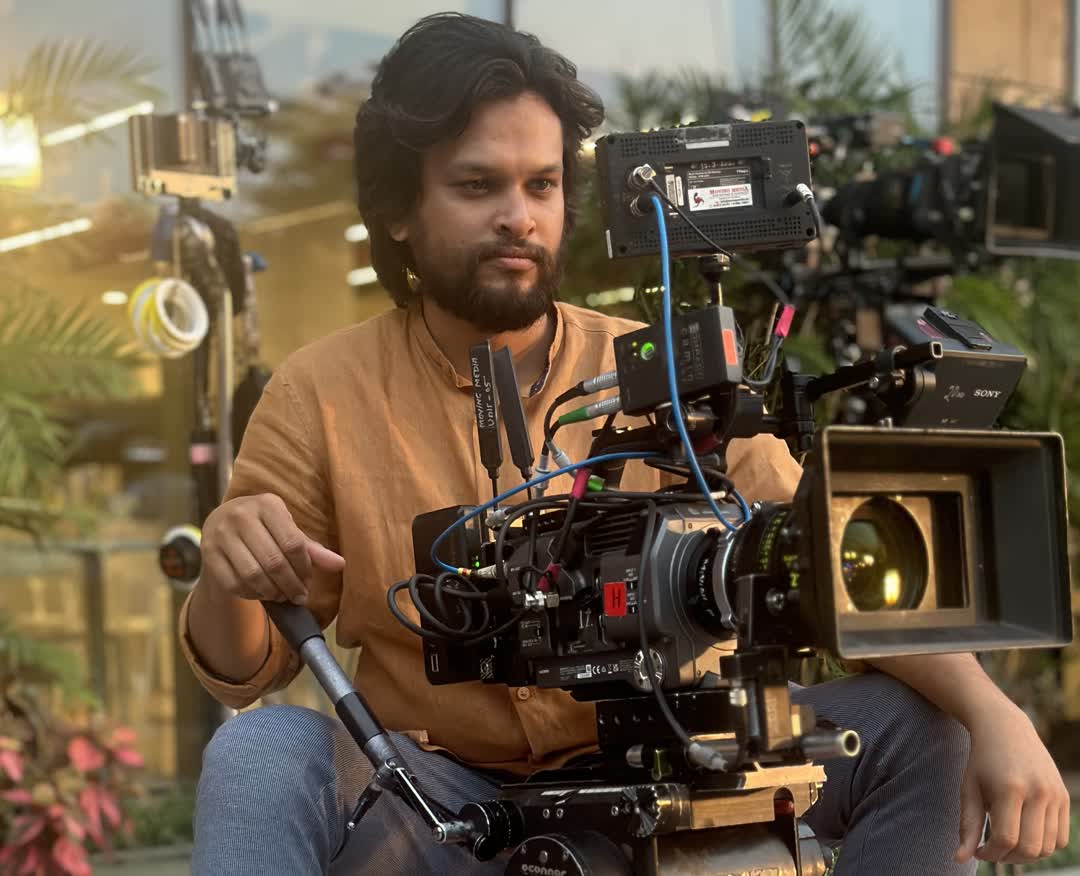
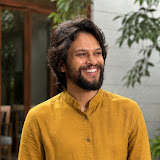
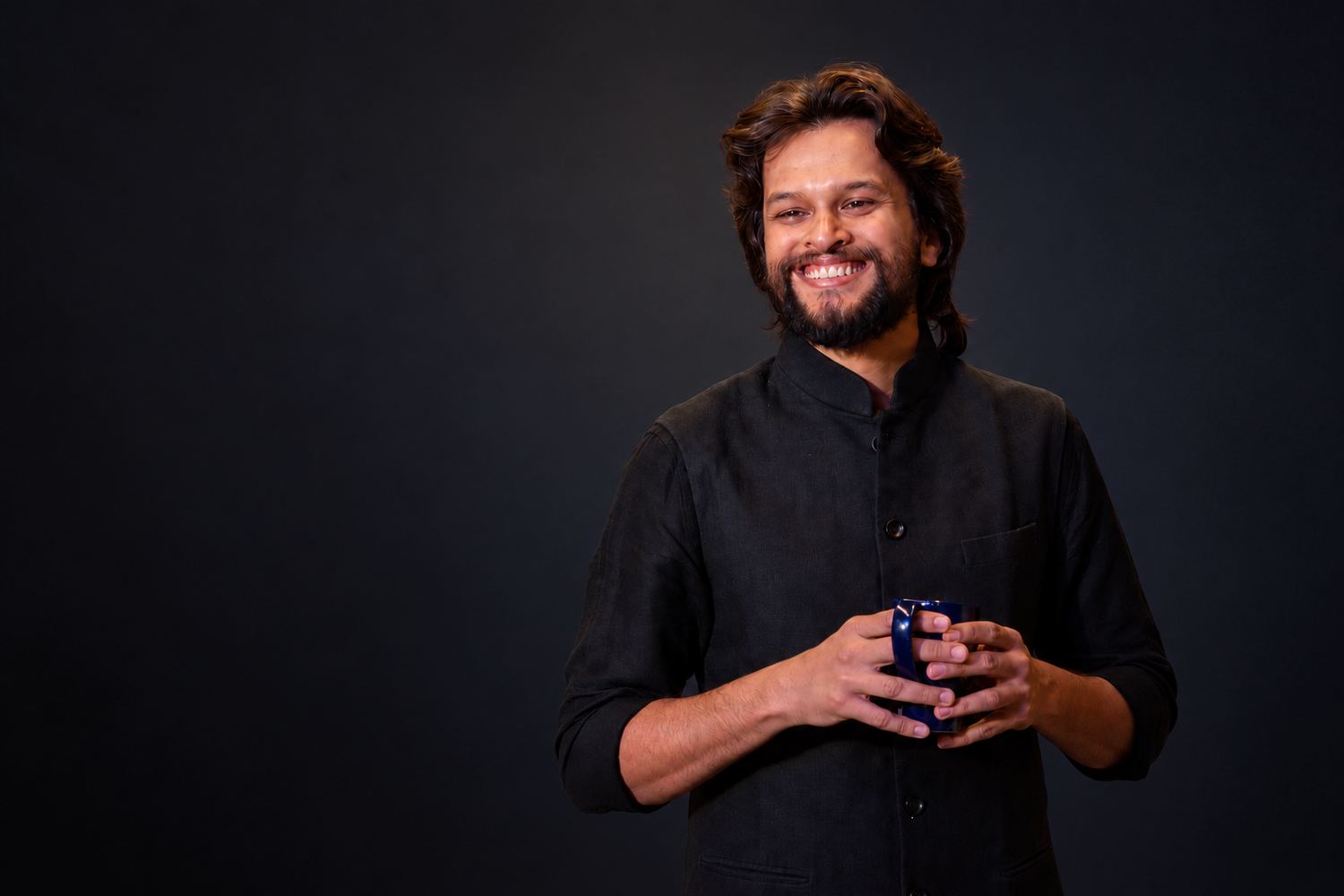
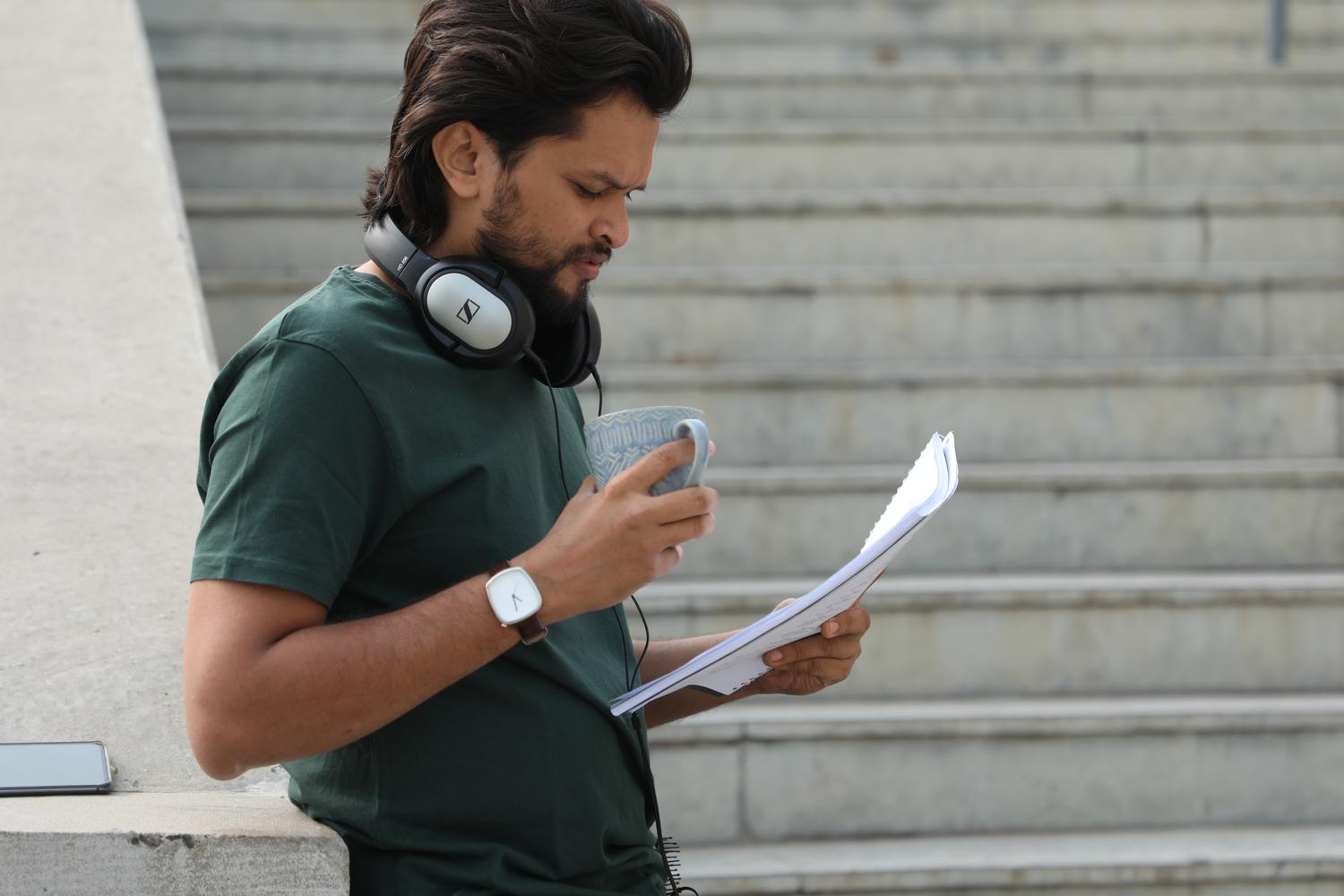
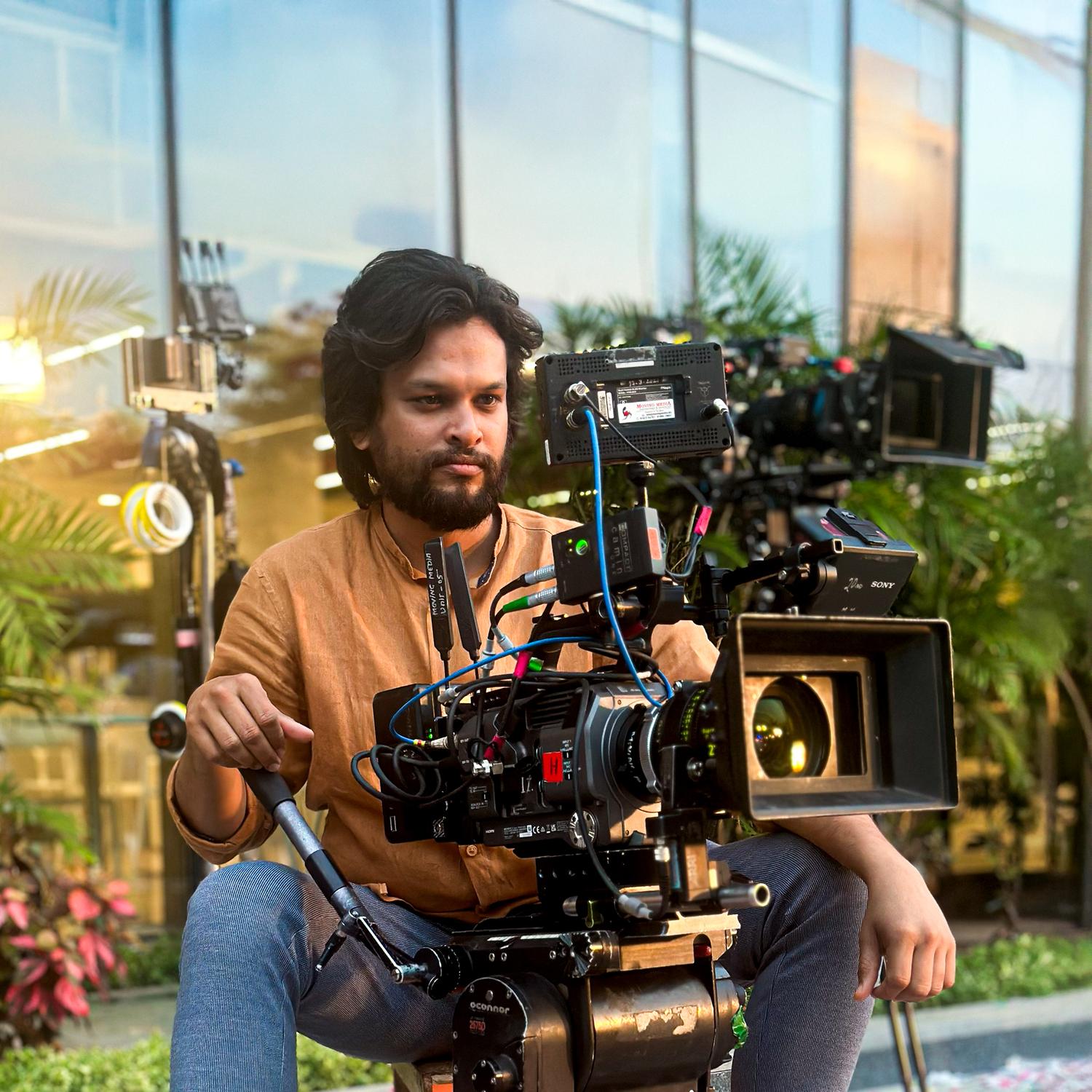
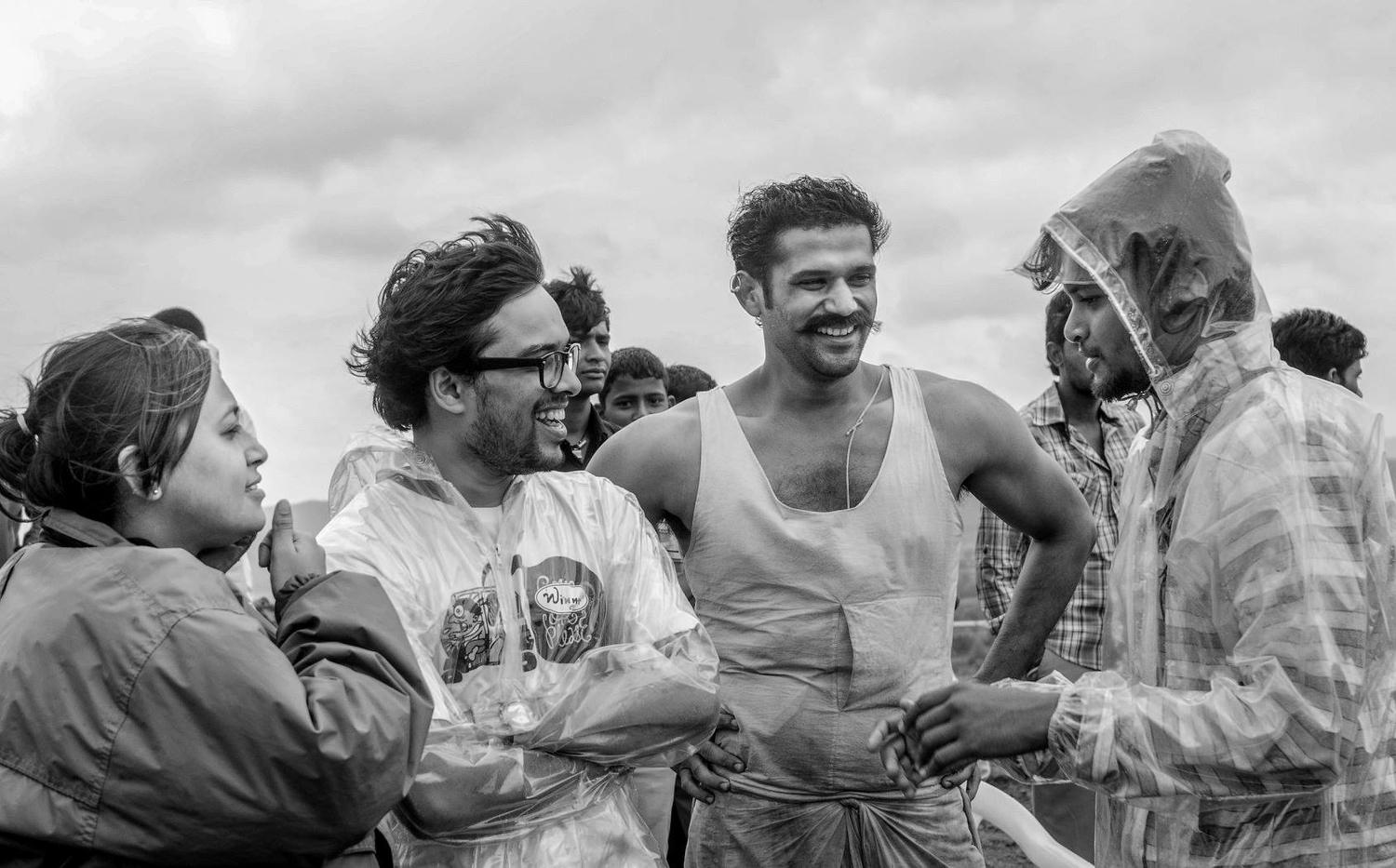
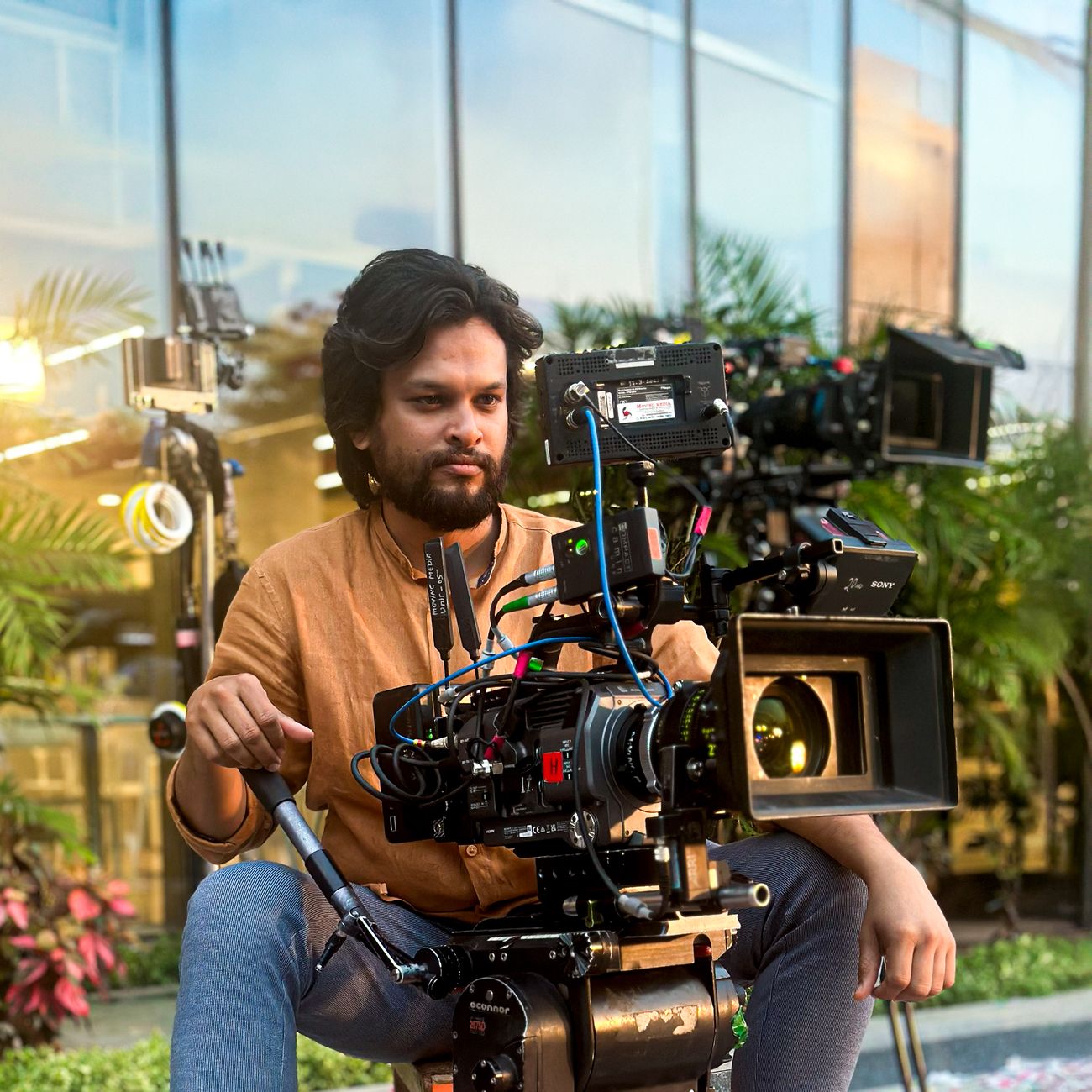
Filmmaking, brand storytelling and content creation have shaped my journey for over 21 years. My work spans writing, directing and producing films, helping brands find stories people connect with, and sharing practical storytelling lessons that help filmmakers, entrepreneurs and professionals tell better stories.
I write, direct, and produce films under Storython Studios, including the National Film Award-winning short film Paanchika. Alongside my independent work, I collaborate on commissioned projects as a writer and director.
★ National Award winner
Paanchika
2020 · Writer, Director & Producer
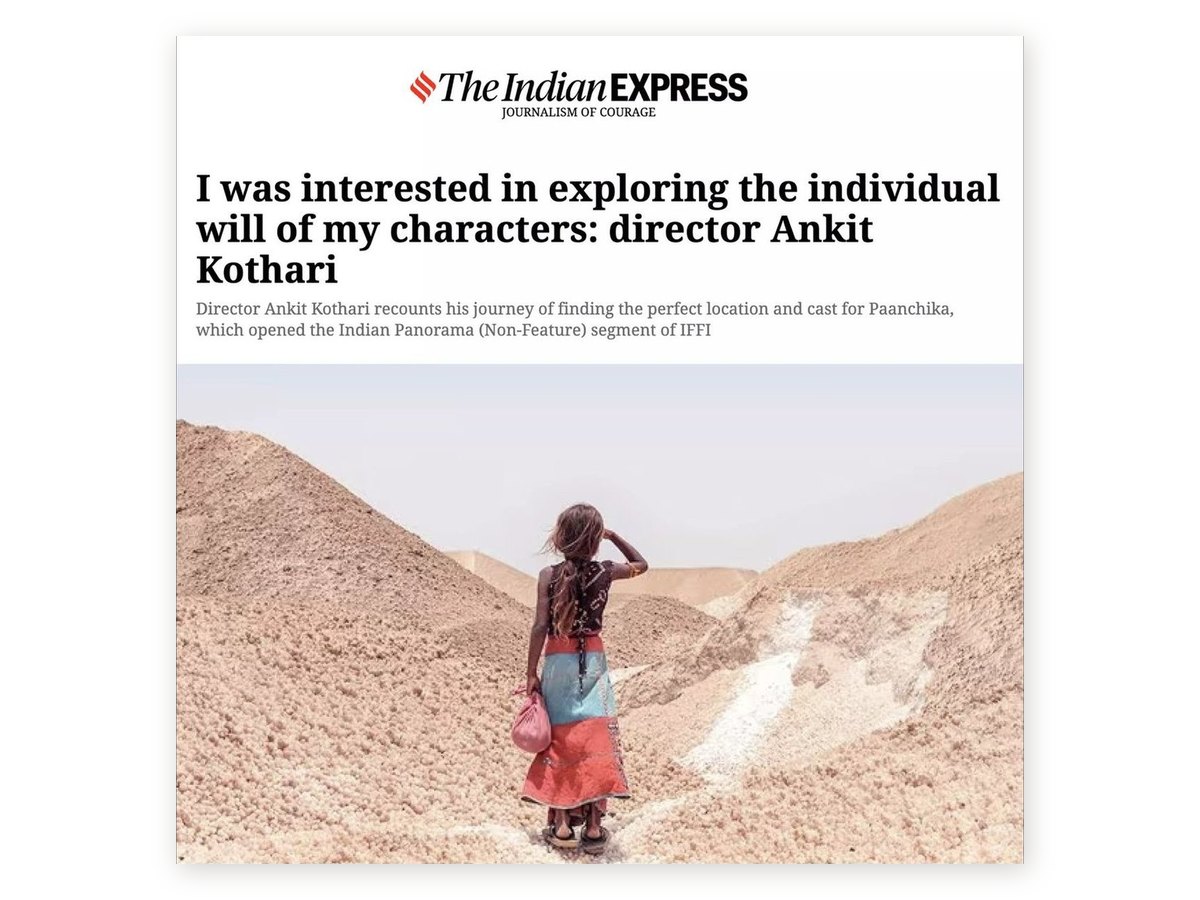
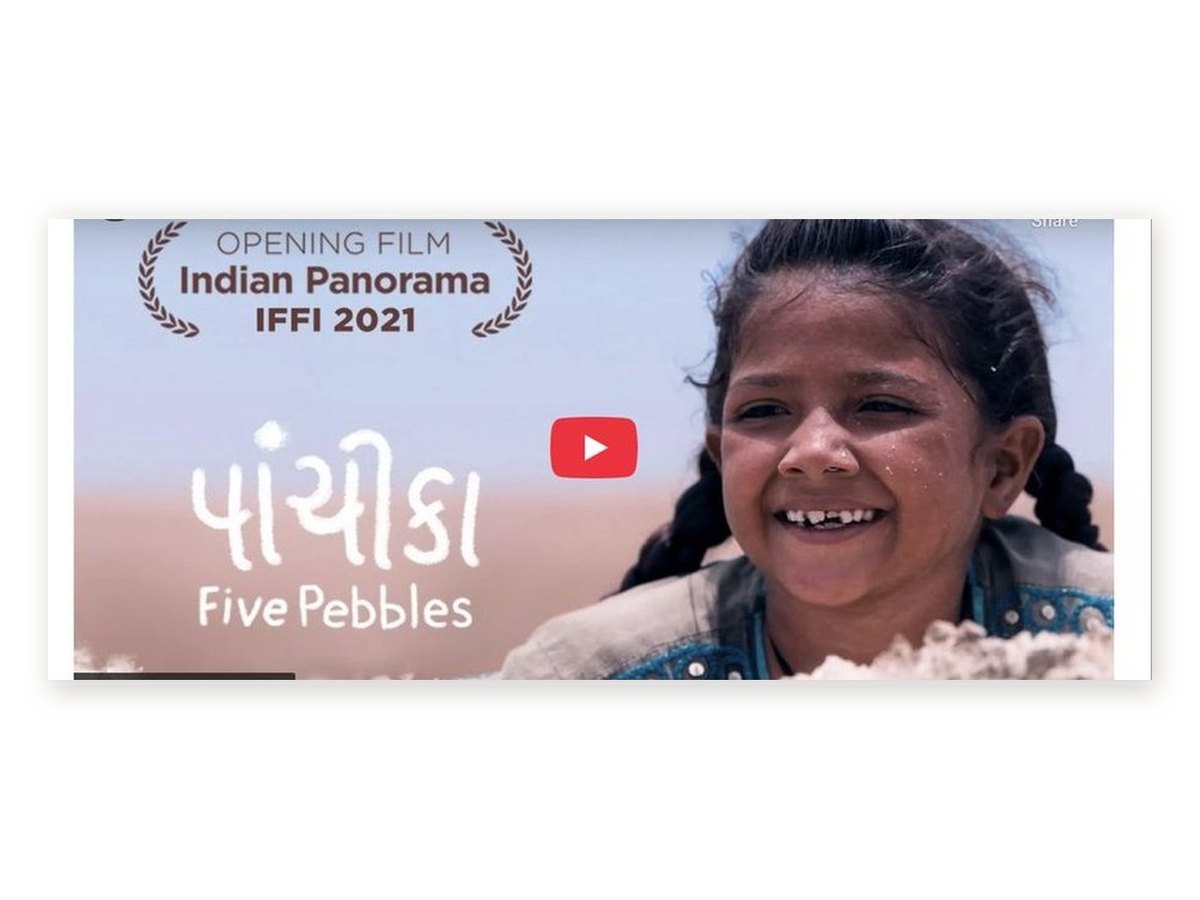
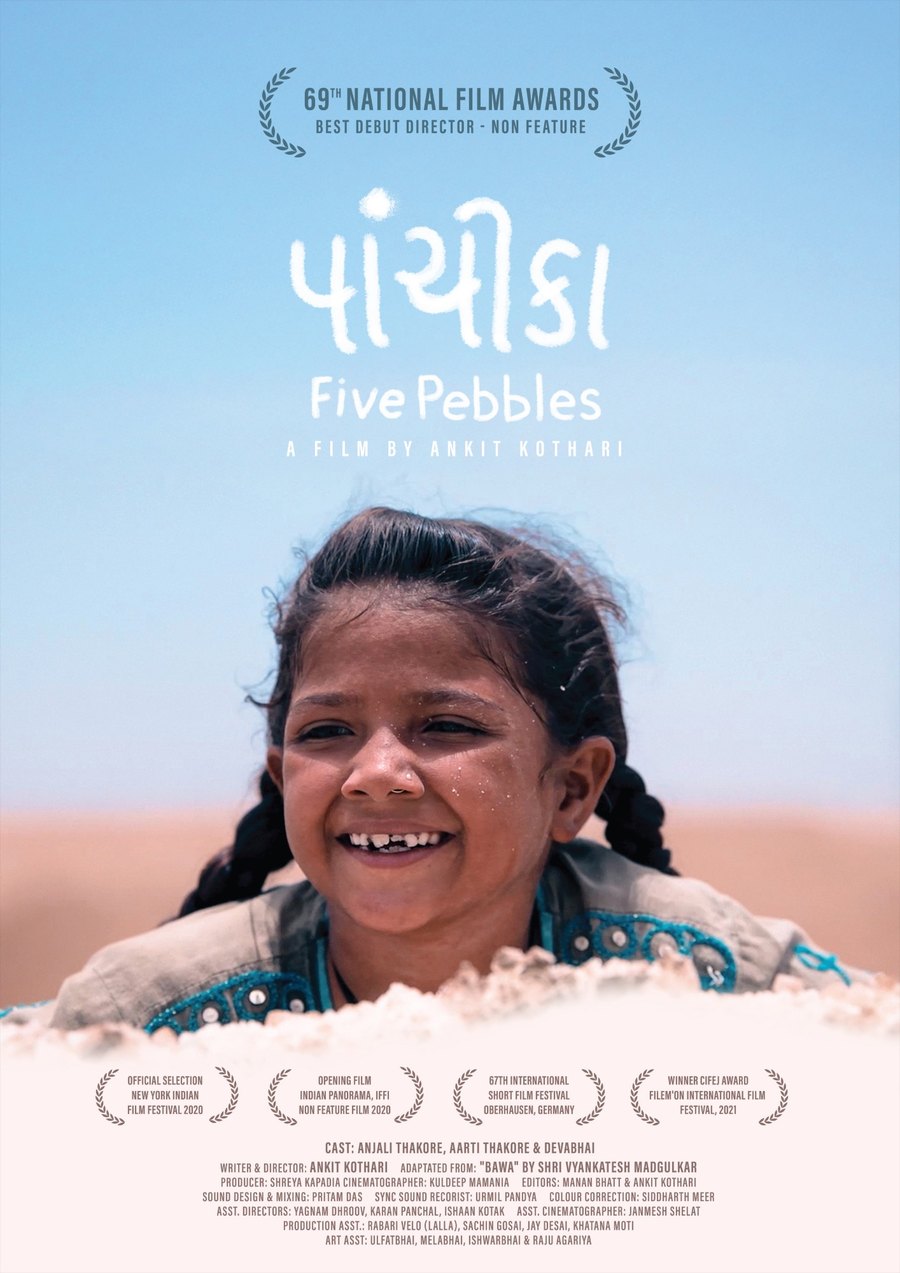
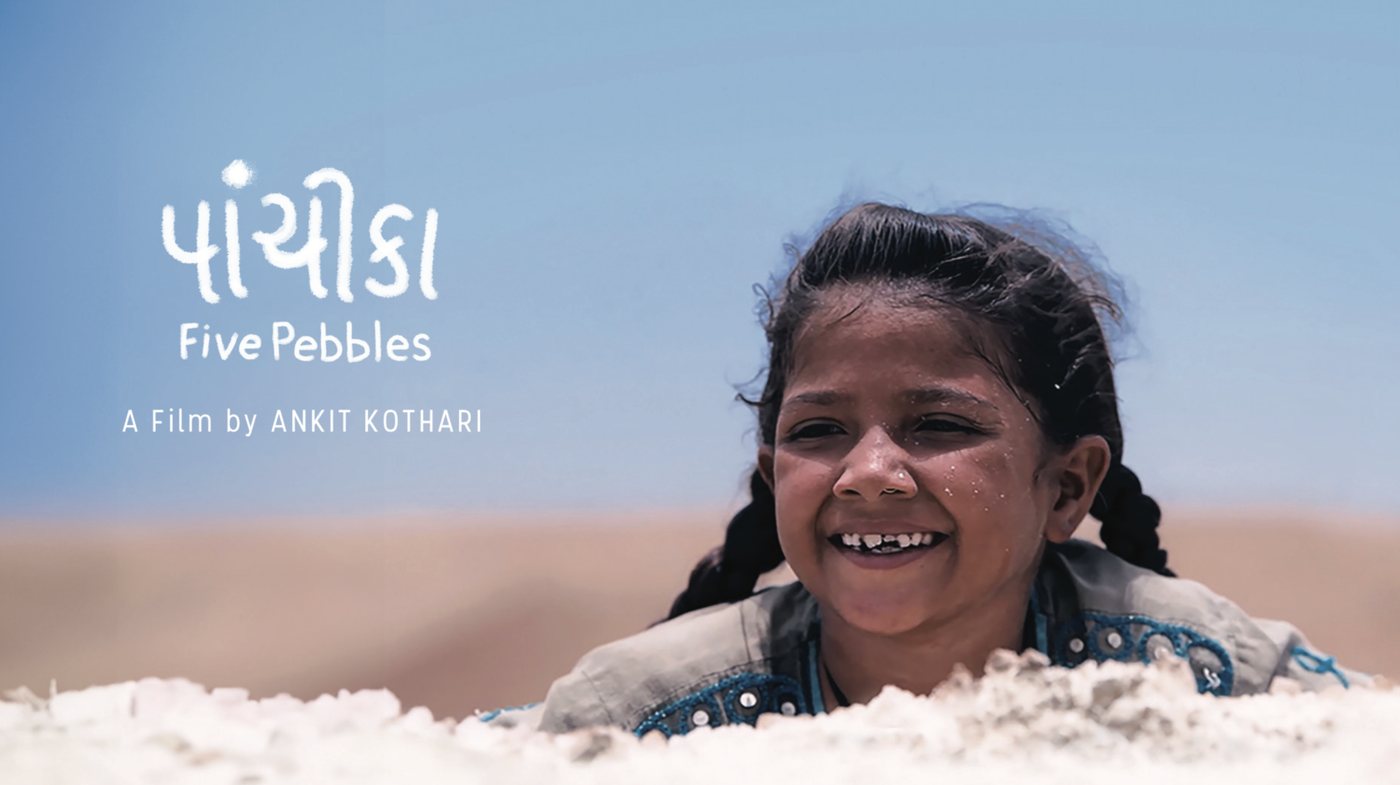
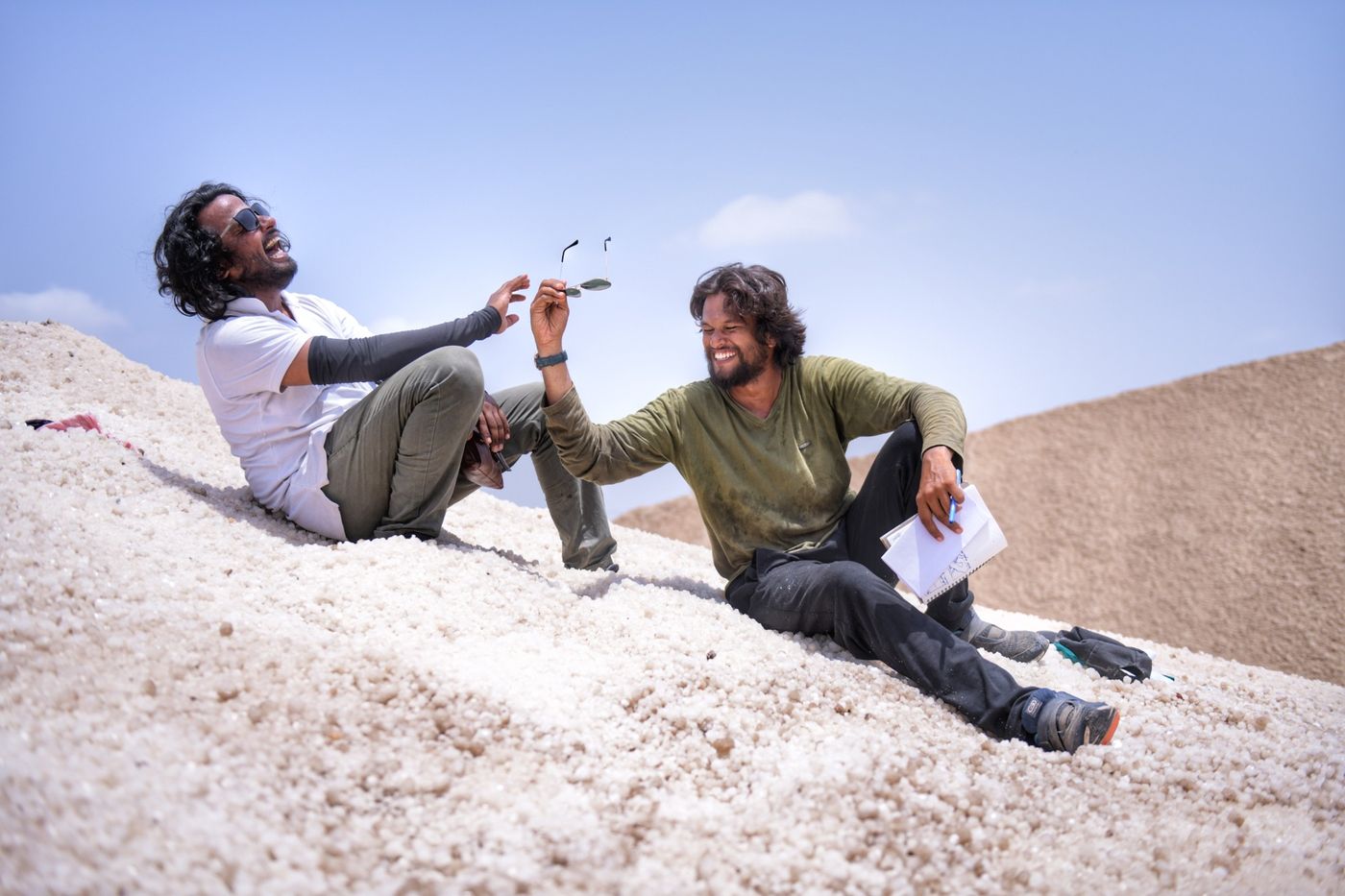
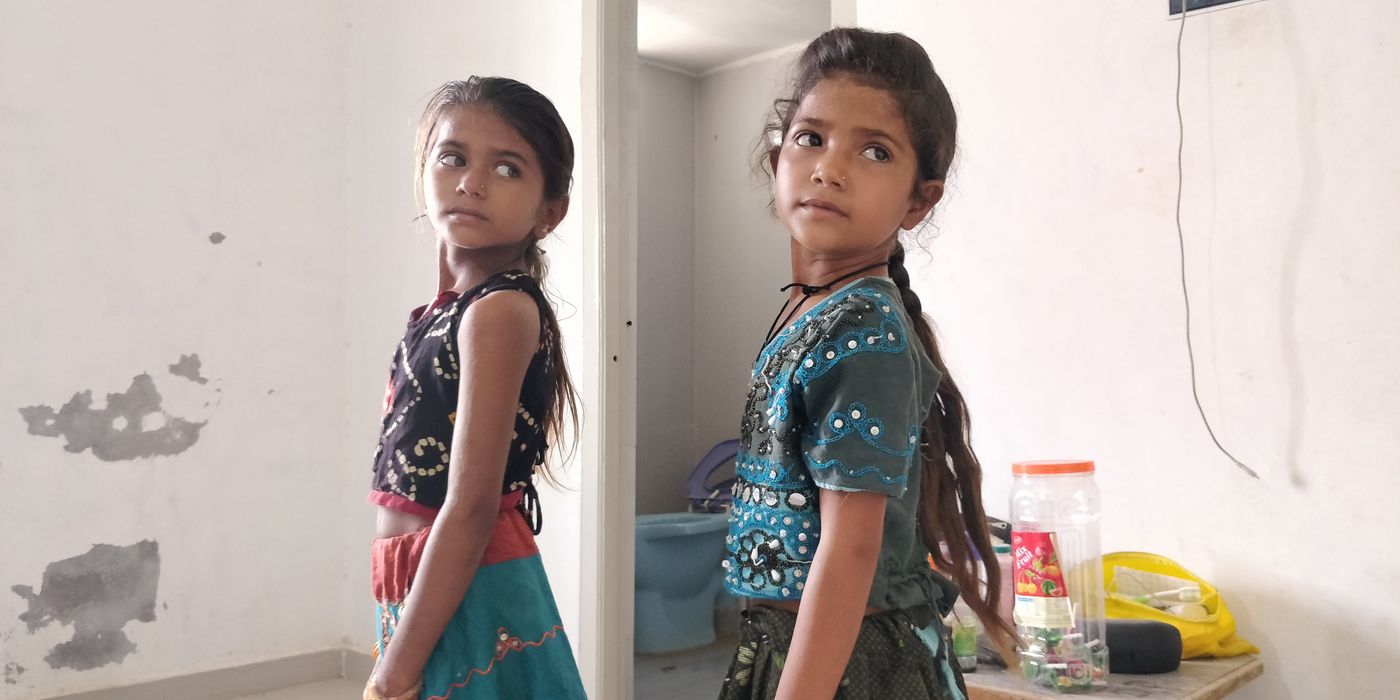
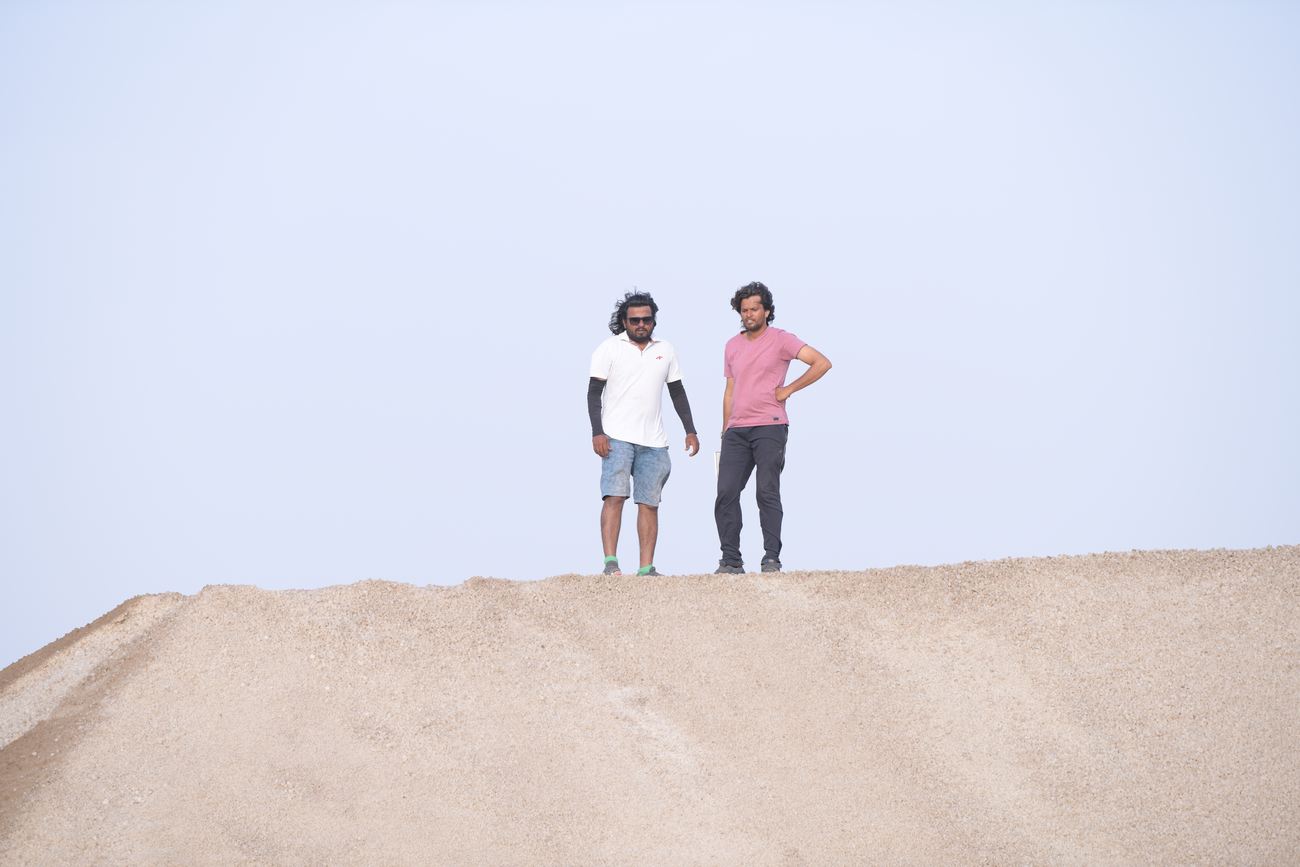
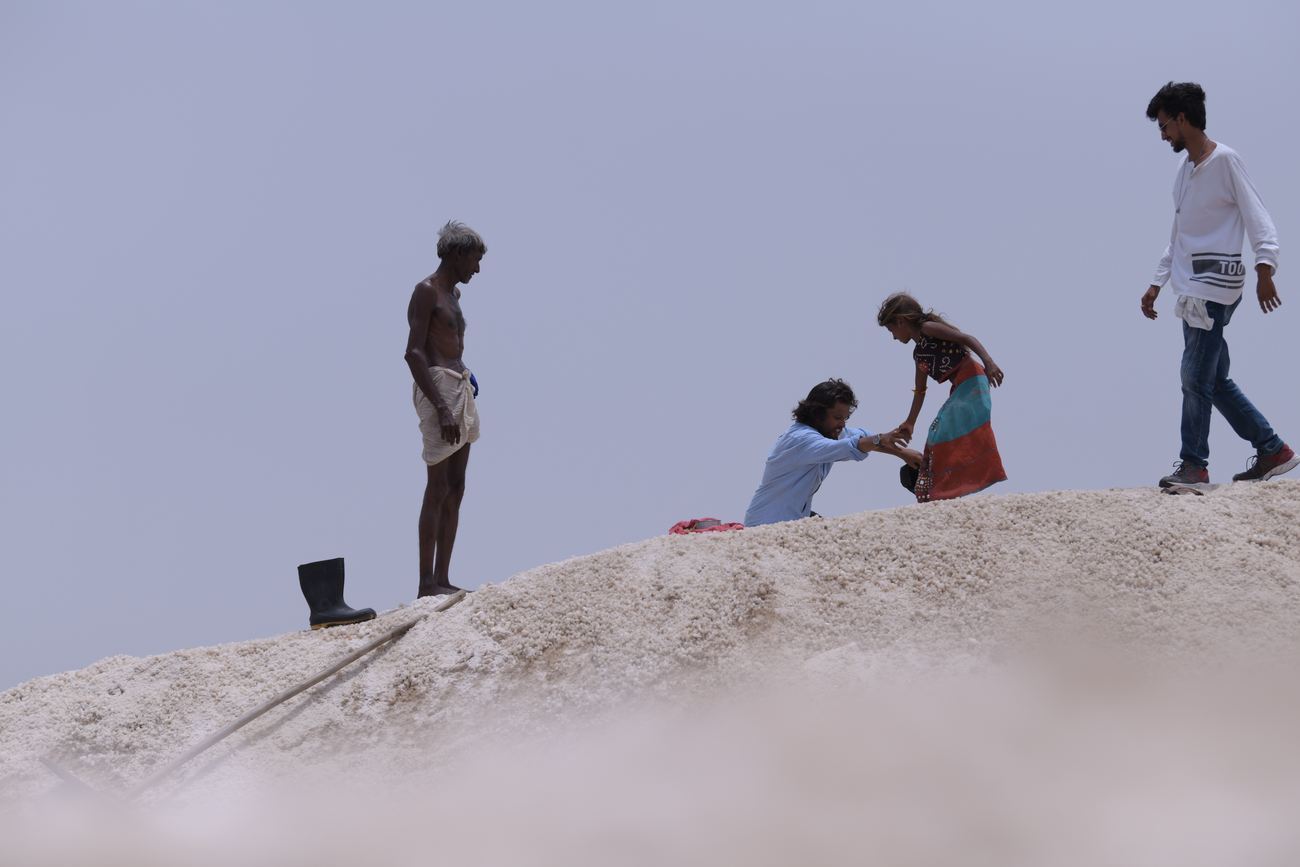
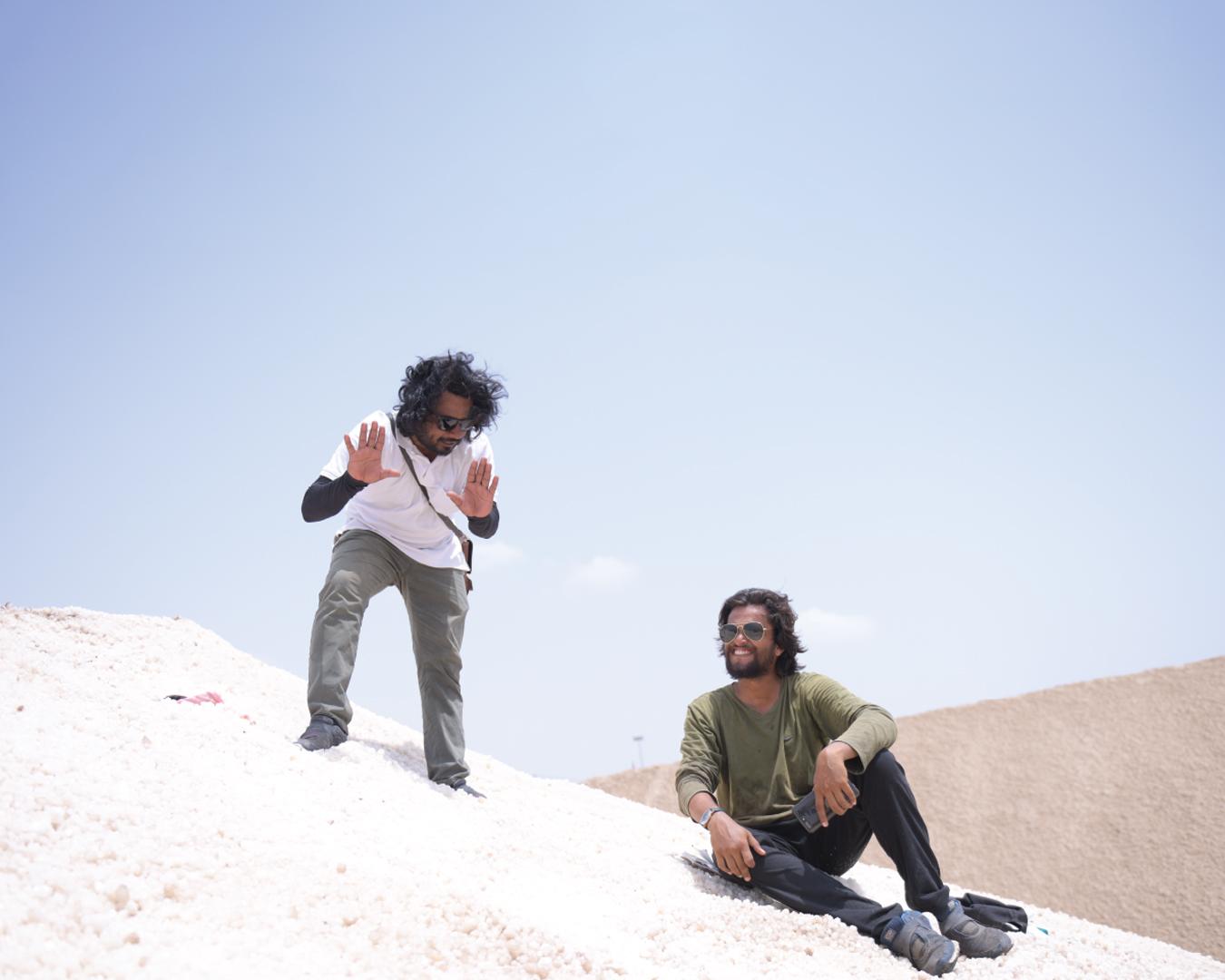
A seven-year-old, Miri, who sets off to deliver lunch across a desert of salt pyramids. She is followed by Suba, an outcast who keeps her distance because they are not supposed to play together. What follows is a tale of friendship where the bounds of society slowly break apart.
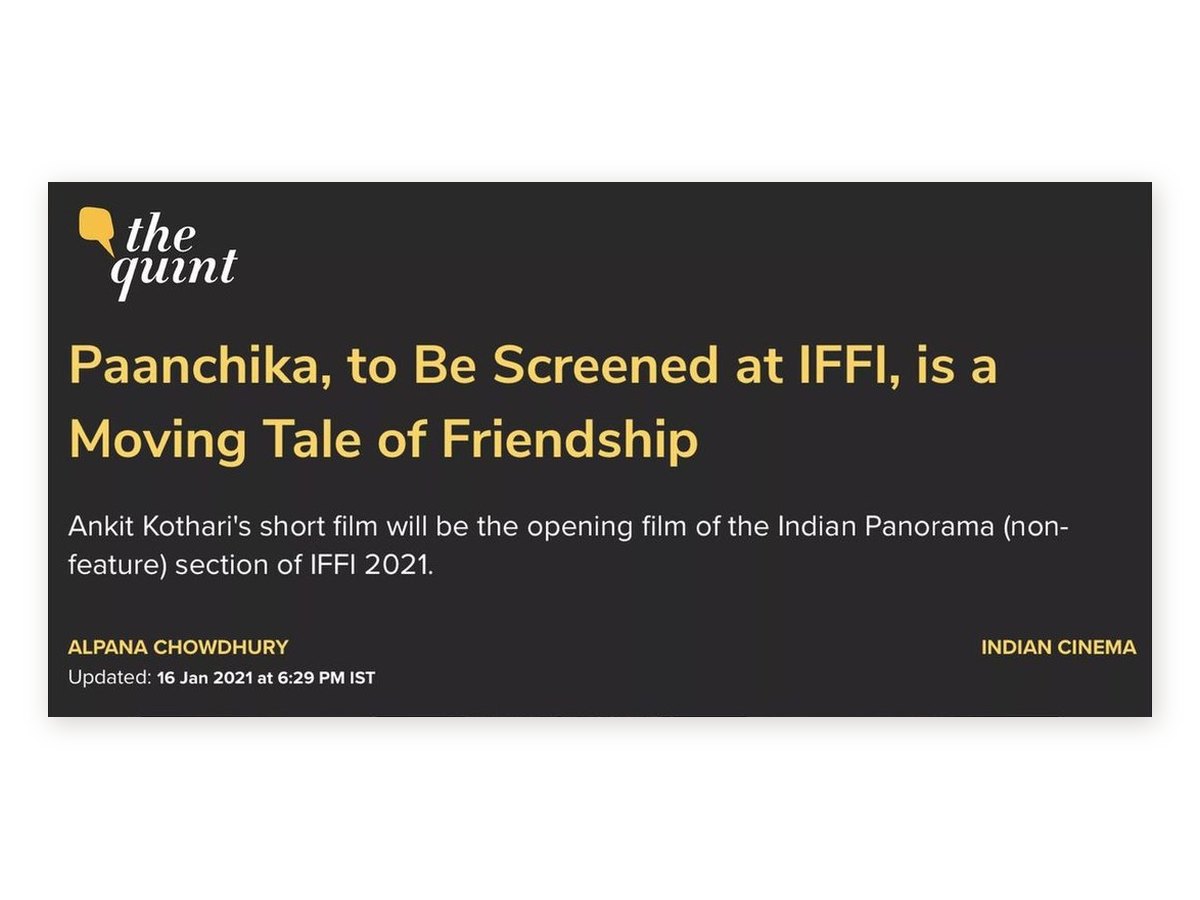
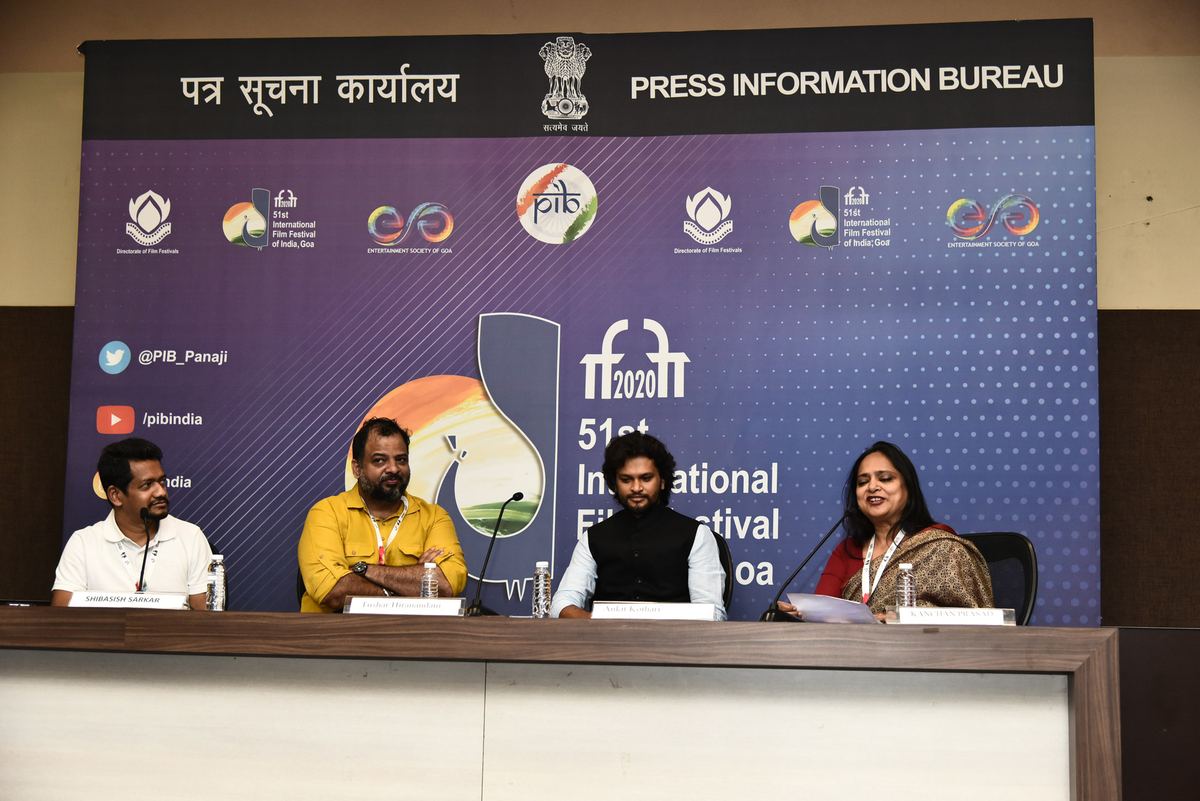
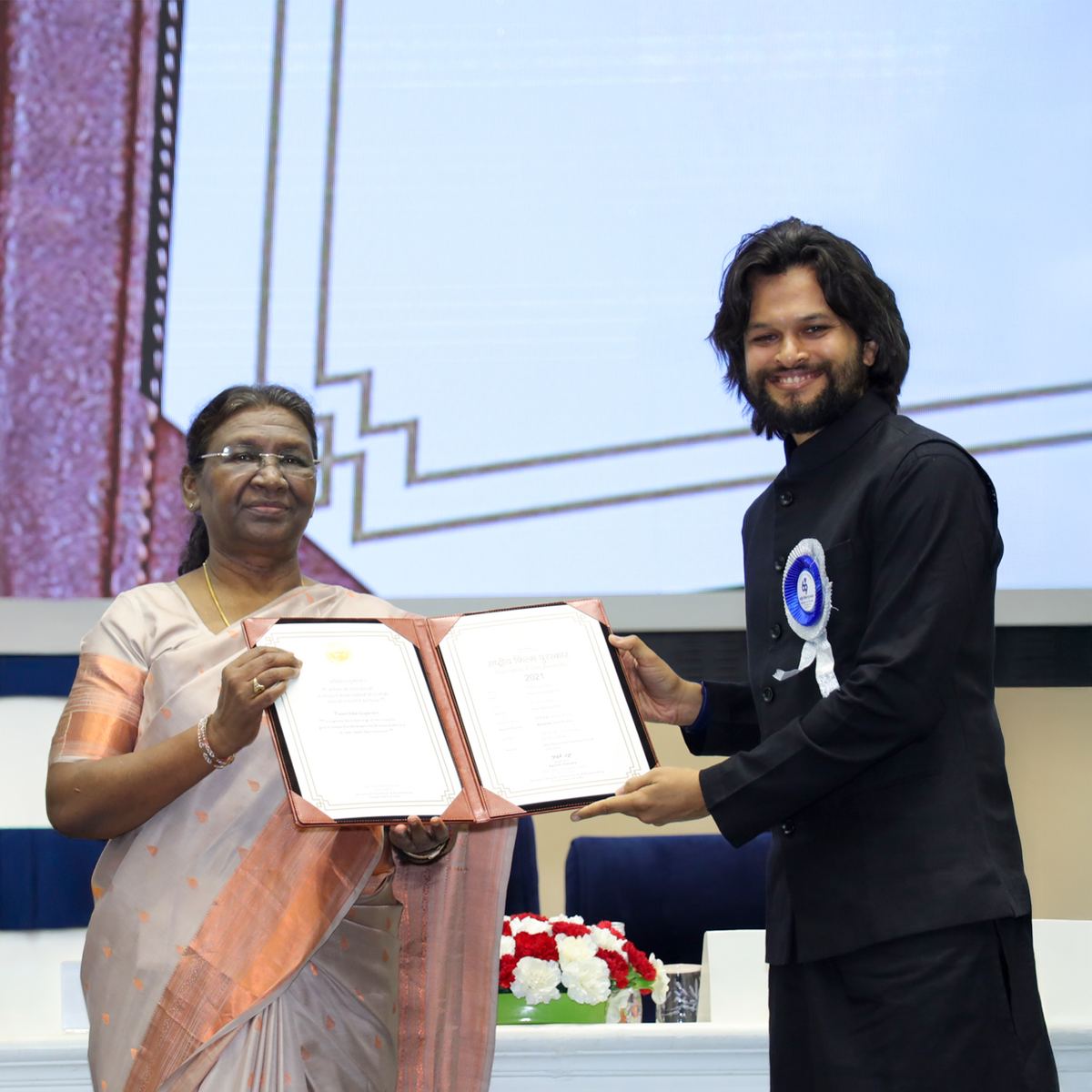
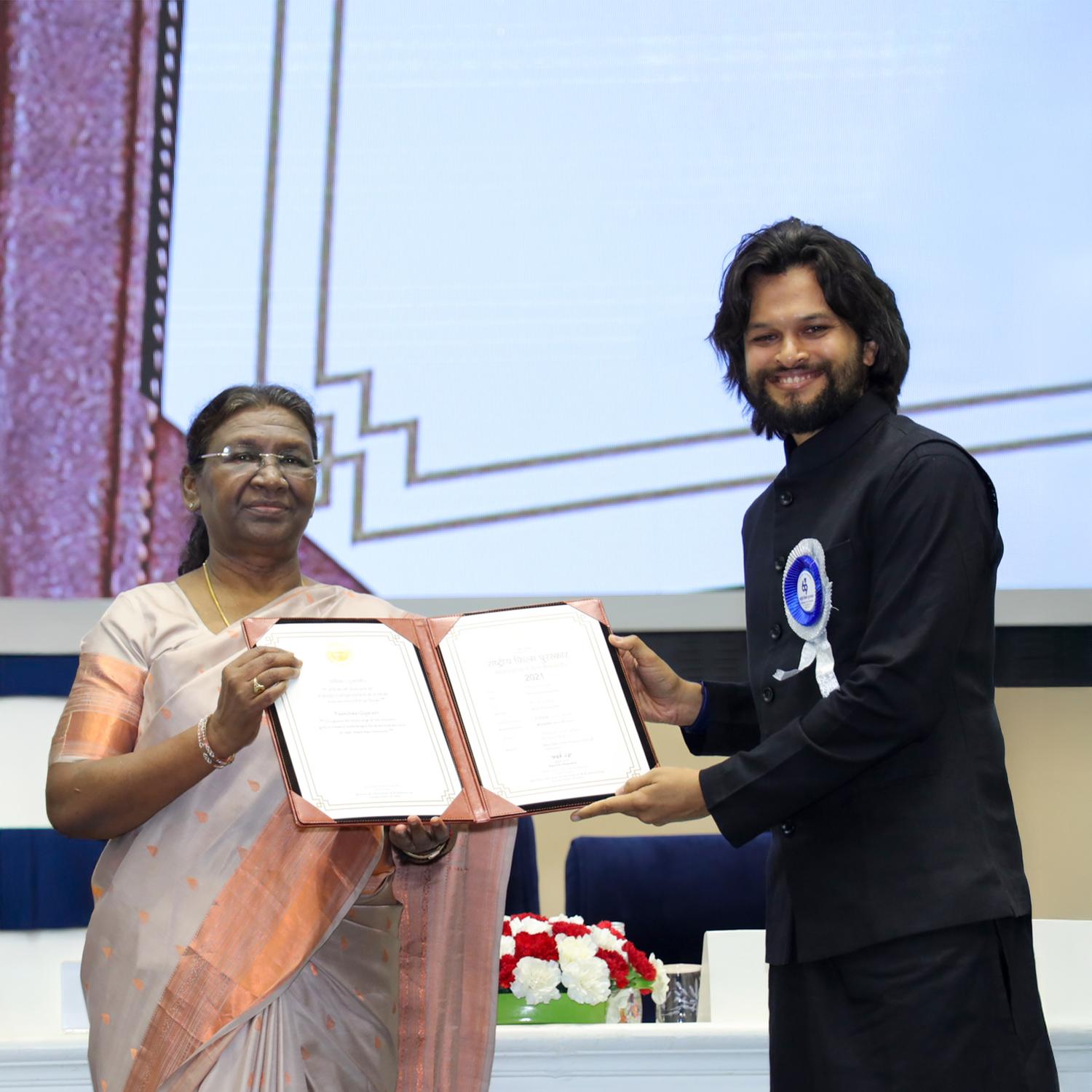
It was the opening film of the Indian Panorama Non-Feature section at IFFI Goa and later travelled to international festivals, including the New York Indian Film Festival and the International Short Film Festival Oberhausen in Germany. The film eventually won the National Film Award for Best Debut Non-Feature Film of a Director in 2023.
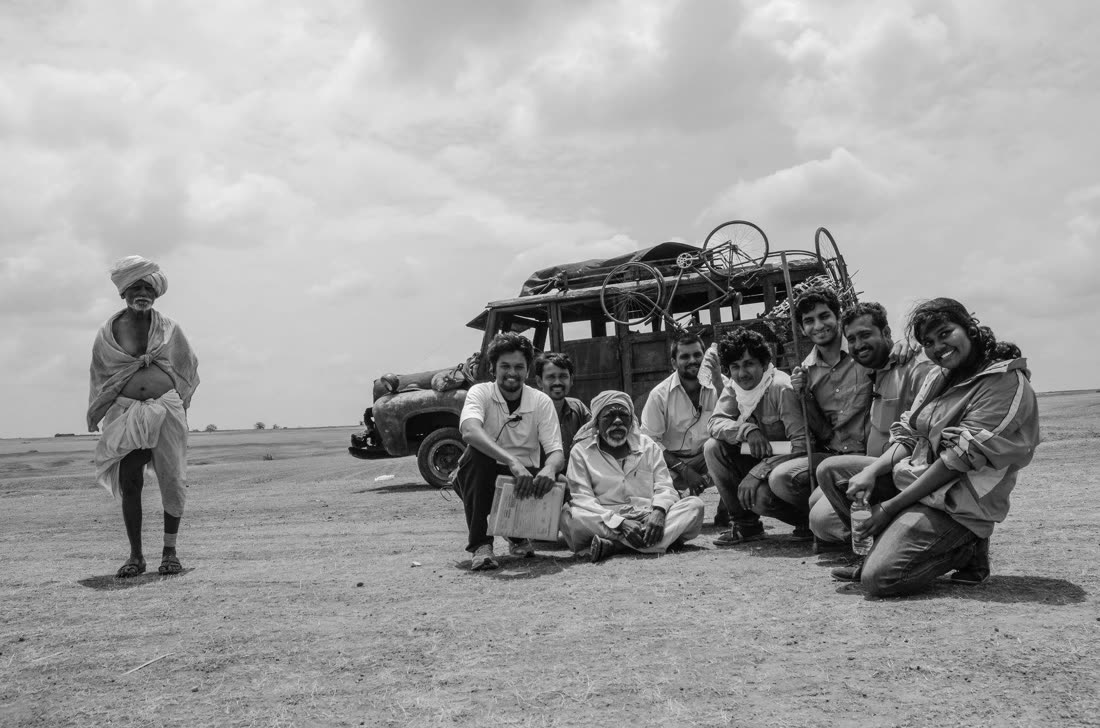
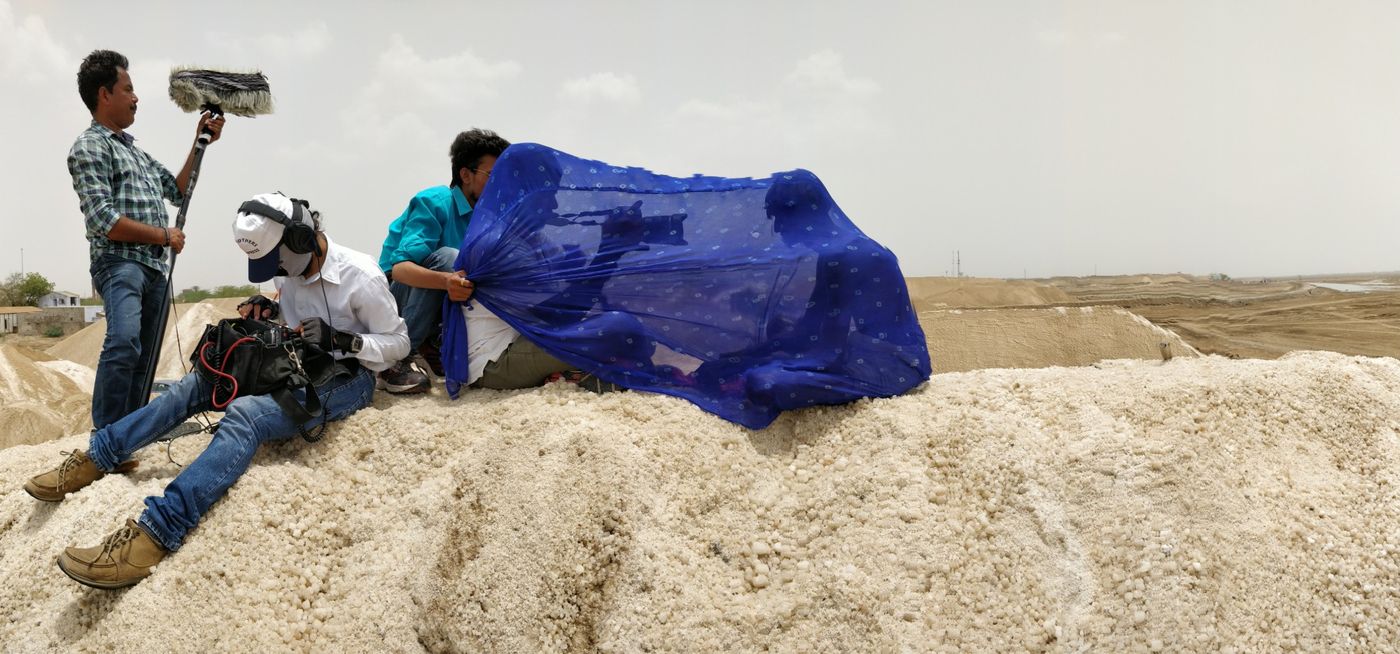
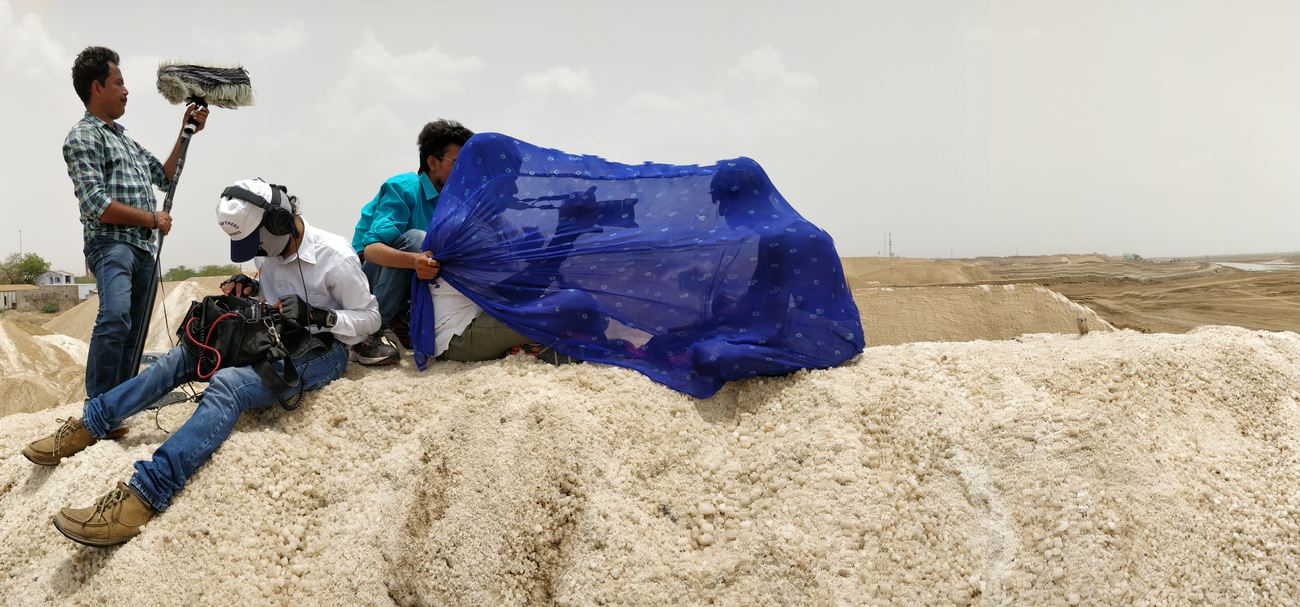
In 2017, I left behind my film life in Mumbai and invested my life savings to produce this film with my wife. I chose to leave behind the resources and familiarity of Mumbai, built an inexperienced crew in Ahmedabad, auditioned nearly 300 girls across villages in Kutch, and shot the film over 23 days in the harsh summer of Kutch.
This is how I made my debut film as a producer, writer & director, putting everything I had into it: the knowledge I had gathered over years of working on feature films, my life savings, and the belief that it was worth taking the gamble.
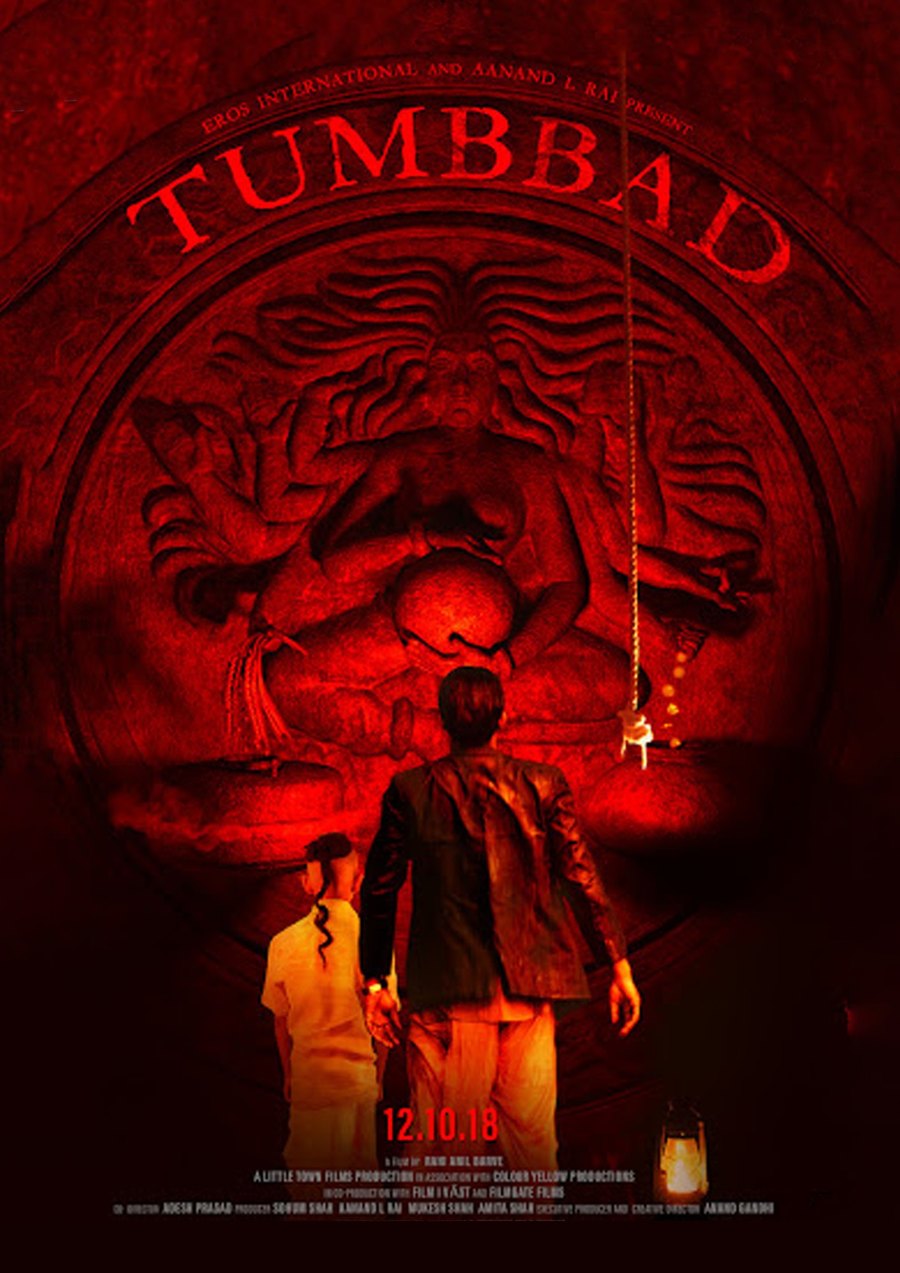
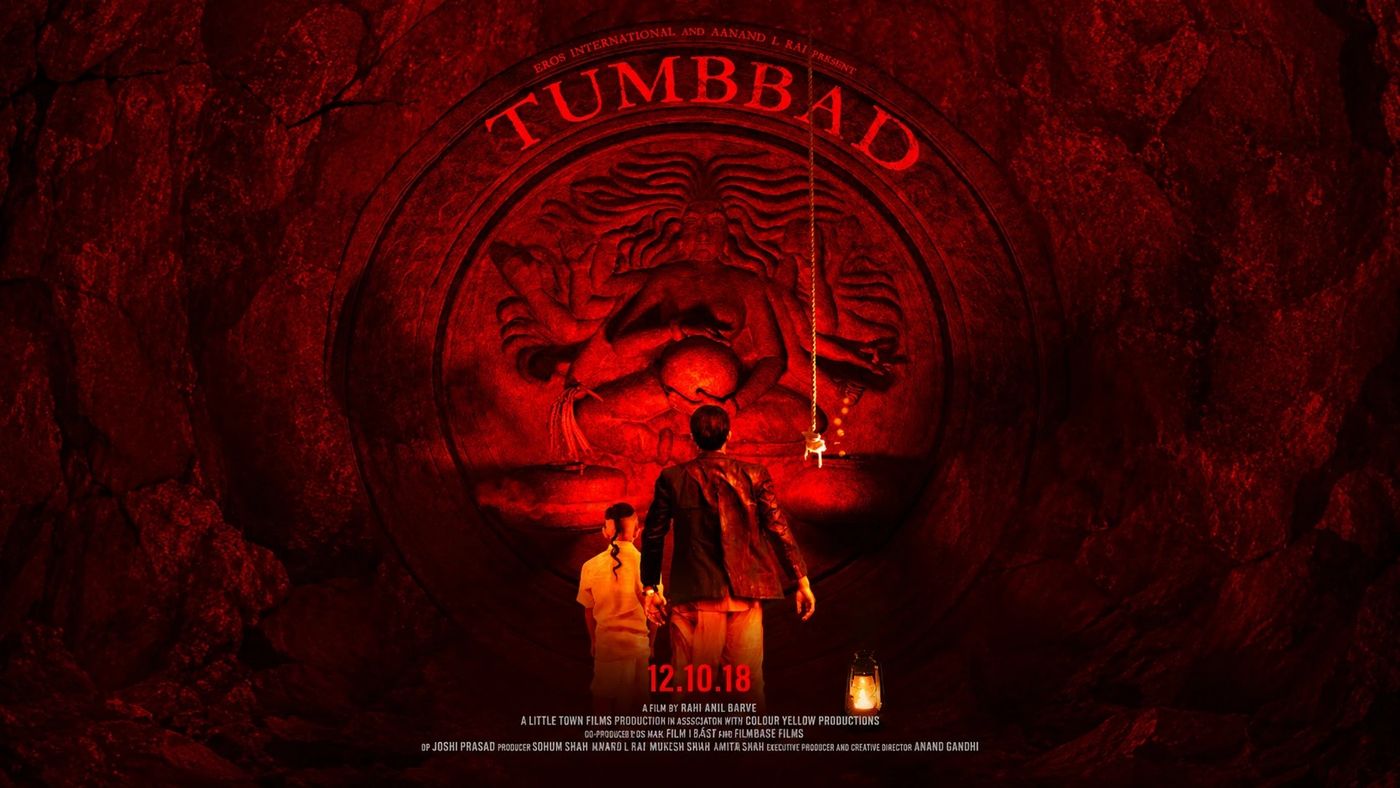
Tumbbad
2018 · 1st Asst. Director
A mythological horror-fantasy set in rural Maharashtra, Tumbbad, directed by Rahi Anil Barve, follows Vinayak Rao, a man obsessed with a hidden ancestral treasure connected to Hastar, a forgotten and cursed deity. Spanning several decades, the film explores greed, inheritance, obsession, and the consequences of wanting more than one needs. Its mythology, atmospheric visuals, production design, and slow-building horror give it a distinctive place in Indian cinema.
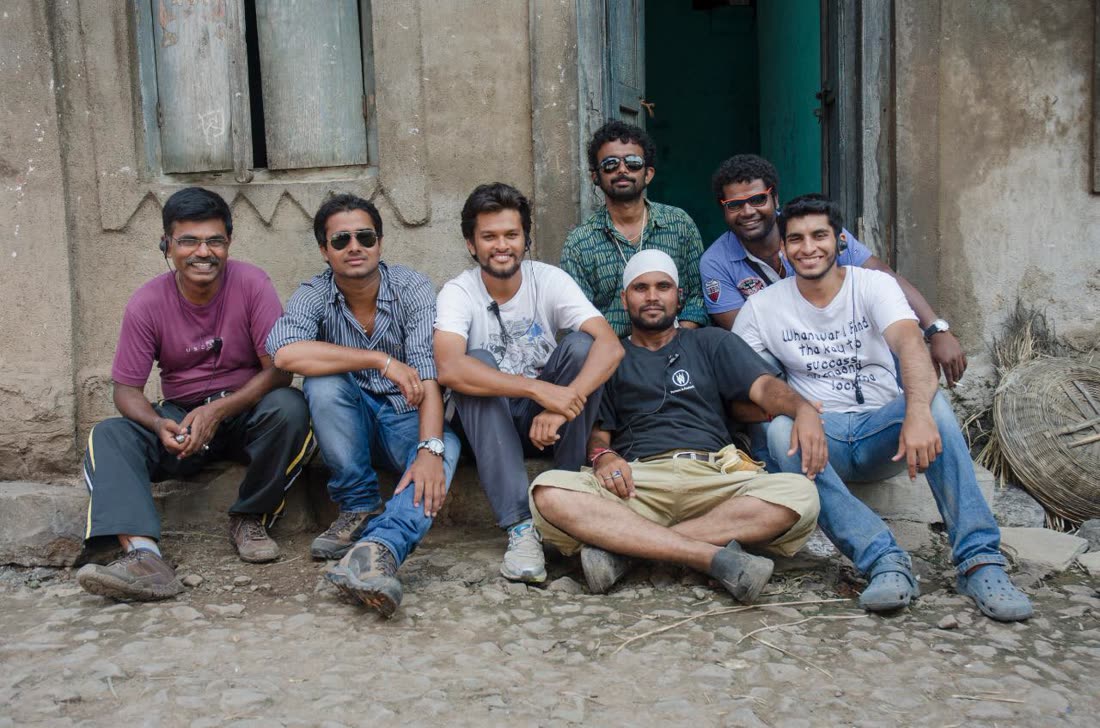
Hastar took away four years of my life, but over those four years the role became much more than running a set. I worked closely with the director, producer, and writer as the film evolved, contributing to its development as well as its eventual execution.
A large part of my job was to hold the many moving pieces together, the crew, HODs, schedules, budgets, locations, and the practical demands of an unusually ambitious film, while protecting what the director wanted to achieve creatively.
Tumbbad was a long, difficult, and deeply involving process. Staying with the film through its many stages gave me an unusually close view of how an idea changes, survives, and eventually becomes the film you see on screen.
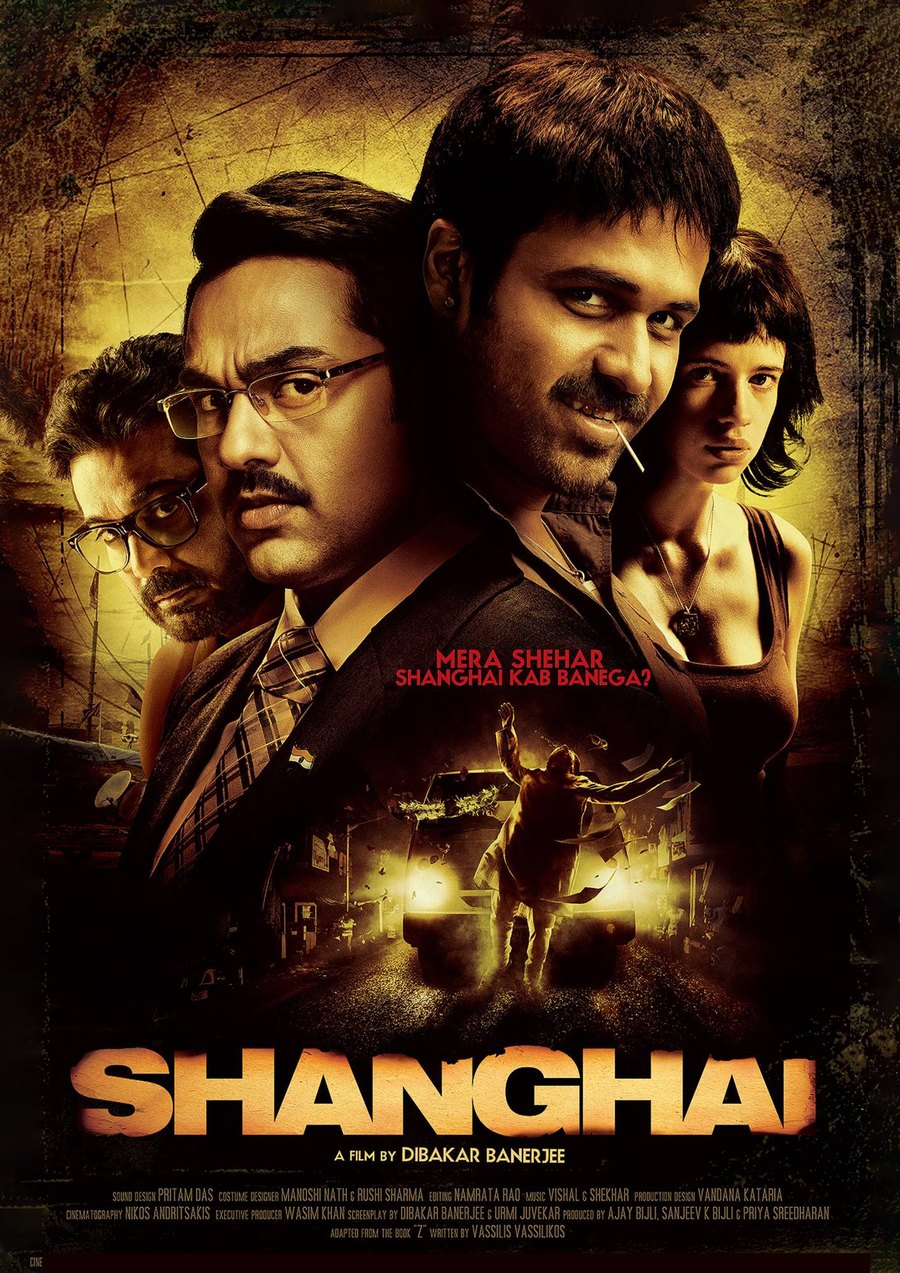
Shanghai
2012 · 2nd Asst. Director
Directed by Dibakar Banerjee, Shanghai is a political thriller about the attempted assassination of a social activist who is campaigning against a controversial redevelopment project. As an IAS officer, a filmmaker, and the activist’s supporter investigate what happened, they uncover a larger network of political manipulation, corruption, bureaucracy, and corporate interests. The film uses its investigation to examine the gap between the promise of development and the realities hidden behind it.
On this film, my work was largely about being in the middle of things, coordinating with actors, keeping track of what was needed for each scene, working with different departments, and making sure the director and the set had what they needed to keep moving.
A film like this, with its large cast, busy locations, crowds, and many moving parts, taught me a great deal about how a set actually functions. As a 2nd AD, I was constantly moving between the creative requirements of a scene and the practical realities of making it happen.
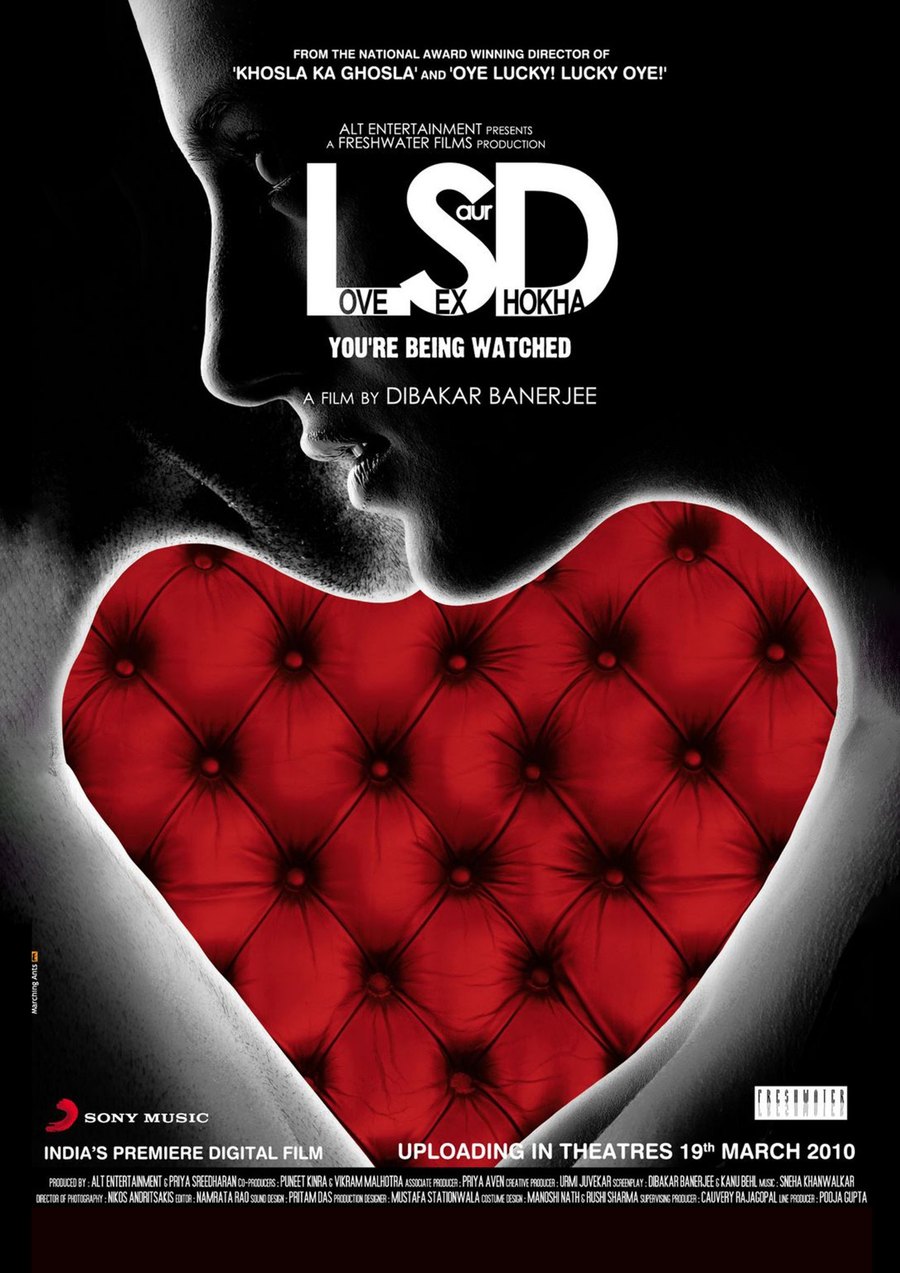
Love, Sex Aur Dhokha
2010 · Script Supervisor & Director’s Asst.
The debut film of actor Rajkumar Rao, directed by Dibakar Banerjee, Love, Sex Aur Dhokha is an experimental anthology consisting of three interconnected stories, largely presented through digital cameras, CCTV footage, webcams, and hidden recordings. The stories deal with love, honour, voyeurism, sexuality, betrayal, media exploitation, and privacy. Its raw visual style makes the audience feel less like a conventional viewer and more like someone watching private moments that were never meant to be seen.
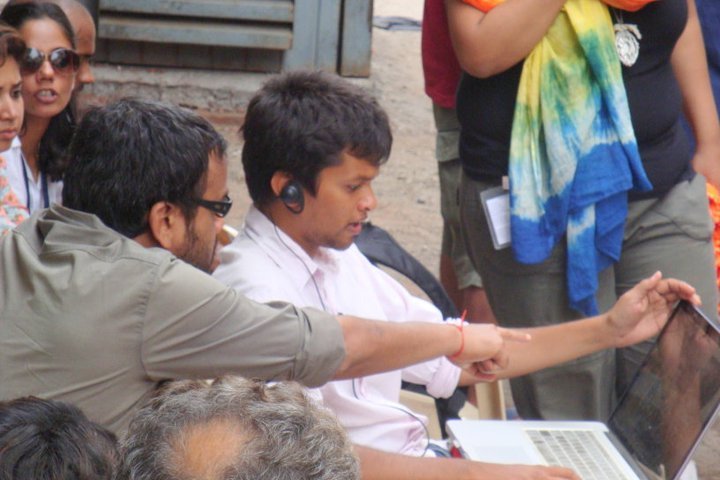
I worked on this film as Script Supervisor and Director’s Assistant, collaborating closely with Dibakar Banerjee and the direction team throughout the production. Alongside supervising the script and maintaining continuity during the shoot, I was involved in location scouting, casting, research, pre-production preparation, on-set coordination, and various creative and logistical responsibilities within the direction department.
My role allowed me to be involved across different stages of the filmmaking process, from early research and preparation through principal photography. Working on a film with such an unconventional visual and narrative approach required close attention to detail, flexibility, and a strong understanding of how each element of the production contributed to the director’s overall vision.
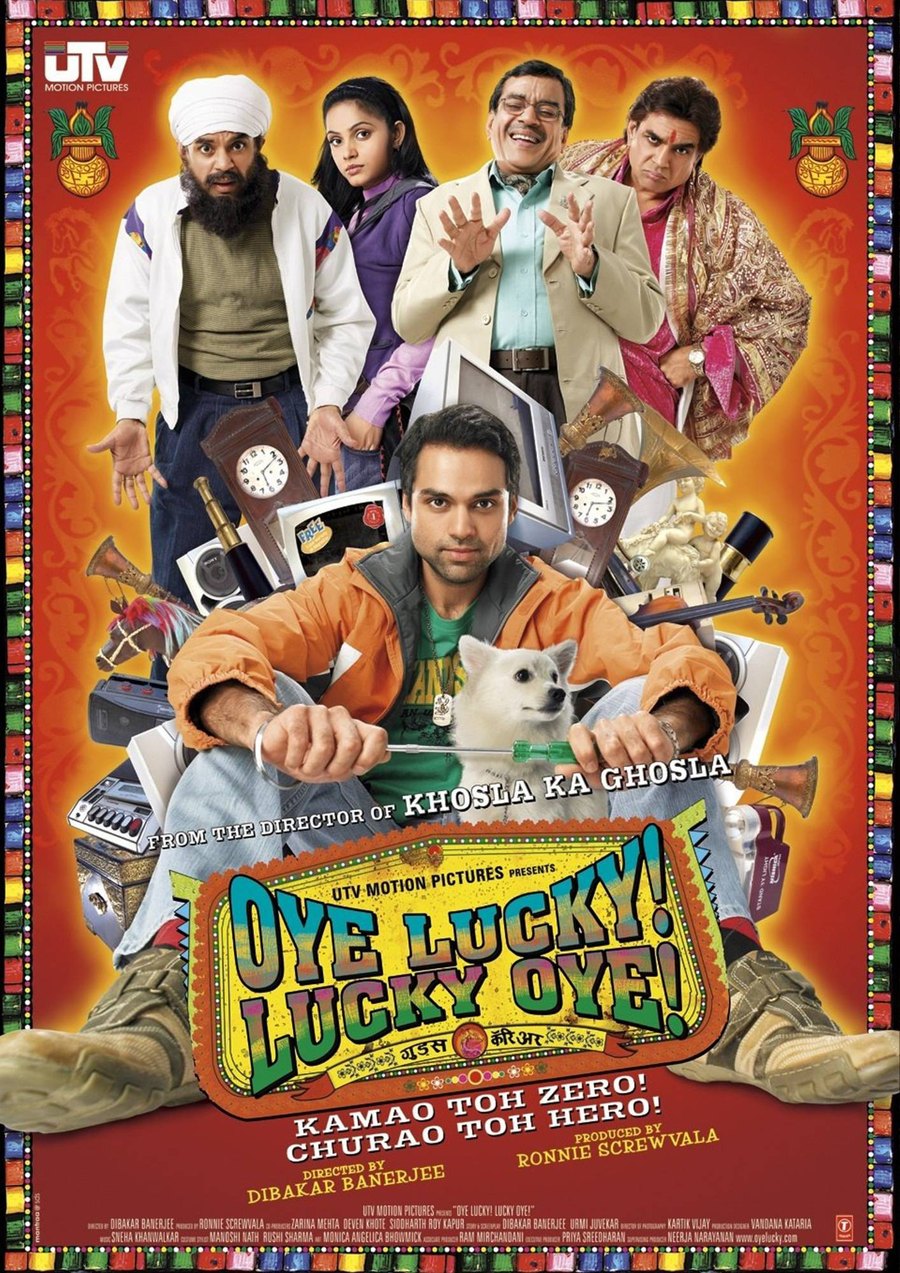
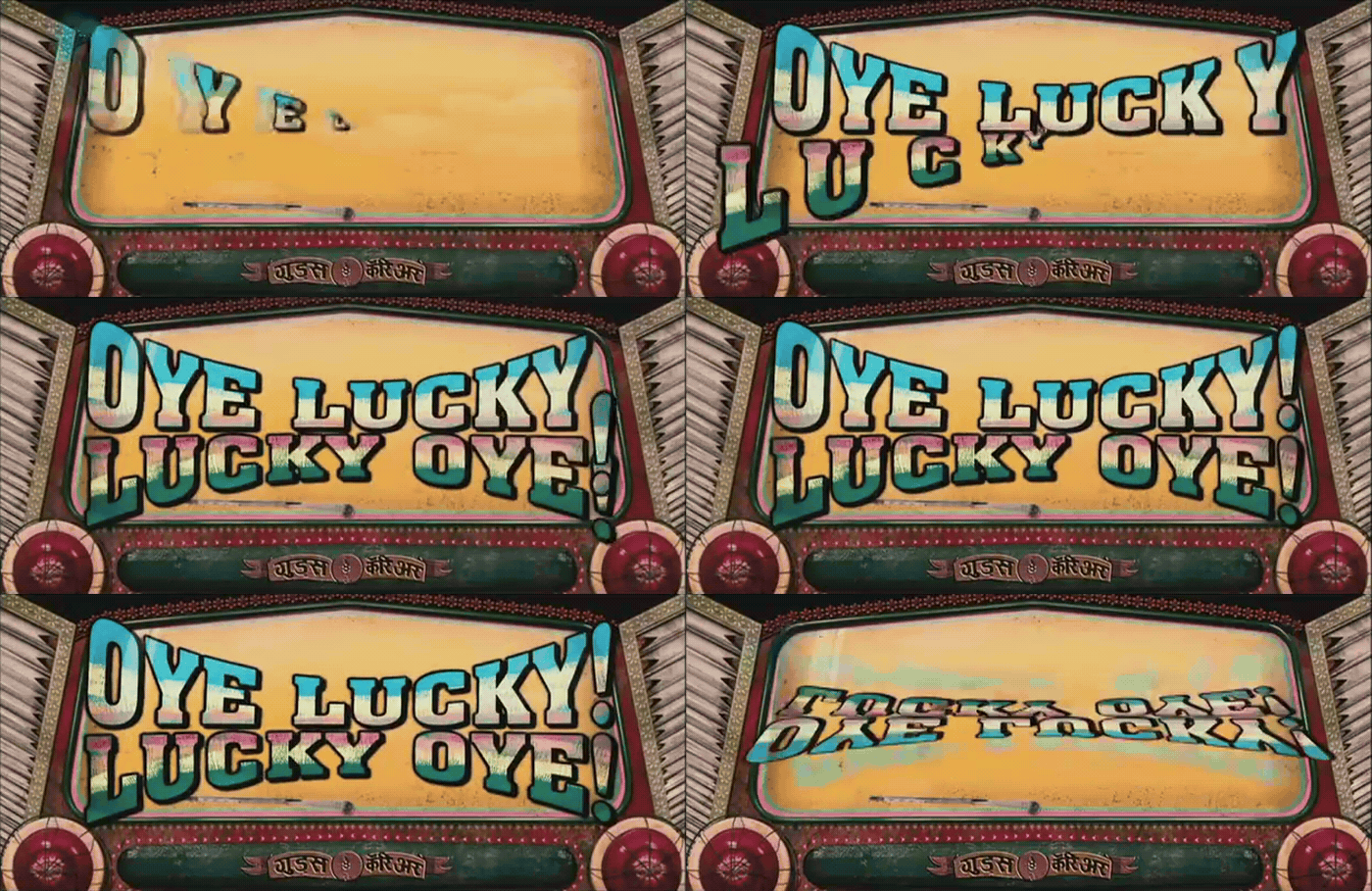
Oye Lucky! Lucky Oye!
2008 · Clap Boy & Title Animator
Directed by Dibakar Banerjee, this black comedy follows Lucky, a charismatic thief from Delhi who grows from committing small robberies to stealing from wealthy homes. Inspired partly by the exploits of the real-life thief known as Bunty Chor, the film is not simply about crime; it uses Lucky’s journey to explore class aspiration, consumerism, social status, identity, and the desire for acceptance. Its humour and Delhi setting turn the story into a sharp satire of middle-class and upper-class society.
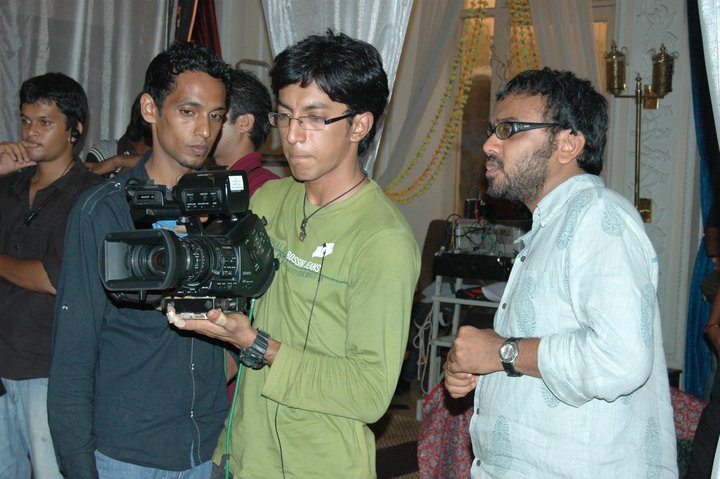
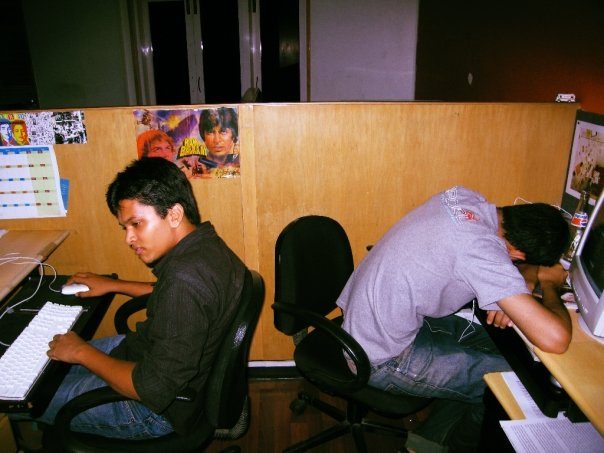
This was my first film, and much like the invisible kid I had often felt like growing up, I entered the set as a Clap Boy, a role few people really notice. I watched everything closely, asked questions, and became curious about every part of the process. That curiosity was noticed, and soon I began getting opportunities to contribute beyond my original role.
When the team learned about my graphic design background, I was also given the chance to work as the film’s Title Animator.
I may have entered the film unnoticed, but it became the place where I first started finding my way into filmmaking. That experience led me to become part of Dibakar Banerjee’s team for his next two films, continuing our collaboration until 2012.
How films found me
While working in advertising, I had become increasingly curious about filmmaking. I wanted to understand how films were actually made, from inside the chaos of a real set. That curiosity led me to apply for an assistant director role on Dibakar Banerjee's Oye Lucky! Lucky Oye!
I got the opportunity, although not quite in the way I had imagined.
I started as the clapper boy.
Standing on a film set with a clapperboard in my hands became my entry into cinema. Soon, the team discovered that I had a background in graphic design, and that opened another door. I got the opportunity to work on the film's title animation as well.
That was when the dots slowly began to connect. The drawing I loved as a child, the design I studied in Baroda, the advertising work I was doing in Mumbai, and now filmmaking. None of it had been wasted. Each experience was preparing me for the next one.
From there, I continued working with Dibakar Banerjee. On Love Sex Aur Dhokha, I worked across several responsibilities, including director's assistant, script supervisor, researcher, casting assistant, and location hunter. Later, I became the second assistant director on his political thriller, Shanghai.
By then, I had spent years learning films from the inside. I had seen what happened before the camera rolled, what happened behind it, and how much work went into putting even a few seconds of a film on screen.
Four years on Tumbbad
I was exhausted from assisting, but then came a project that would completely consume my life.
Tumbbad.
I joined the film as the first assistant director after the director handed me a graphic-novel-style storyboard of the film. It was some of the most incredible visual storytelling I had ever seen.
I initially thought the project might take six months or perhaps a year.
Instead, I often joke that Hastar ate four years of my life.
I continued working on Tumbbad until 2015. Those years were intense, but they taught me lessons that no classroom could have. I learned patience, preparation, problem solving, collaboration, and perhaps most importantly, how to keep believing in a story when bringing it to life becomes incredibly difficult.
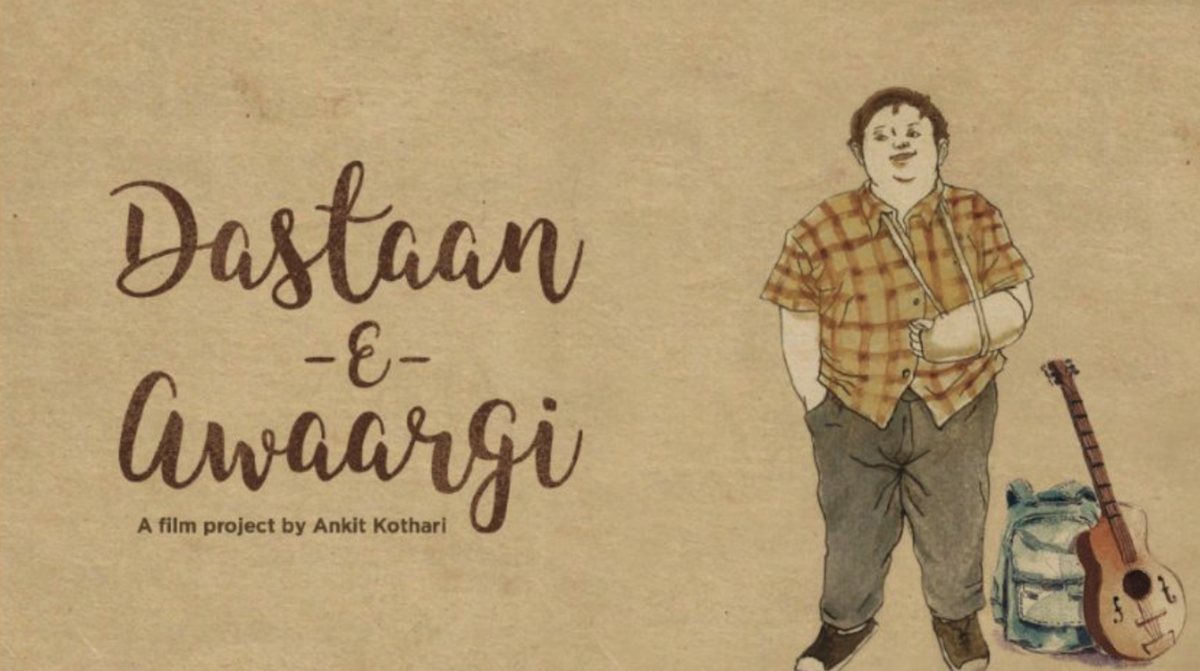
By 2015, I knew I did not want to continue assisting forever. Now I wanted to debut as a feature film director. I had written a feature script of my own, Dastaan-e-Awaargi, and started taking it to producers. The project showed promise. It was selected for the National Film Development Corporation Screenwriters Lab, which also gave me the opportunity to travel to a European festival. Later, it was selected for the NFDC Co-Production Market as well.
On paper, things seemed to be moving in the right direction.
But the film still did not get made.
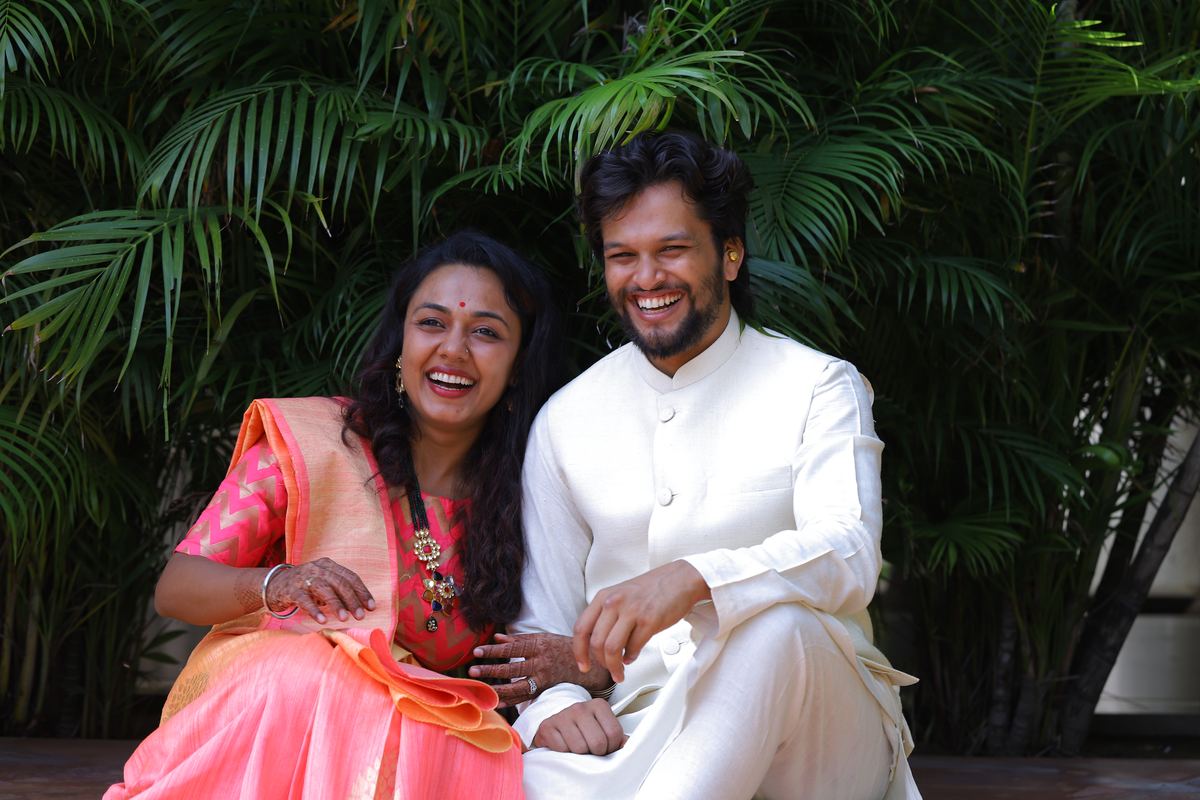
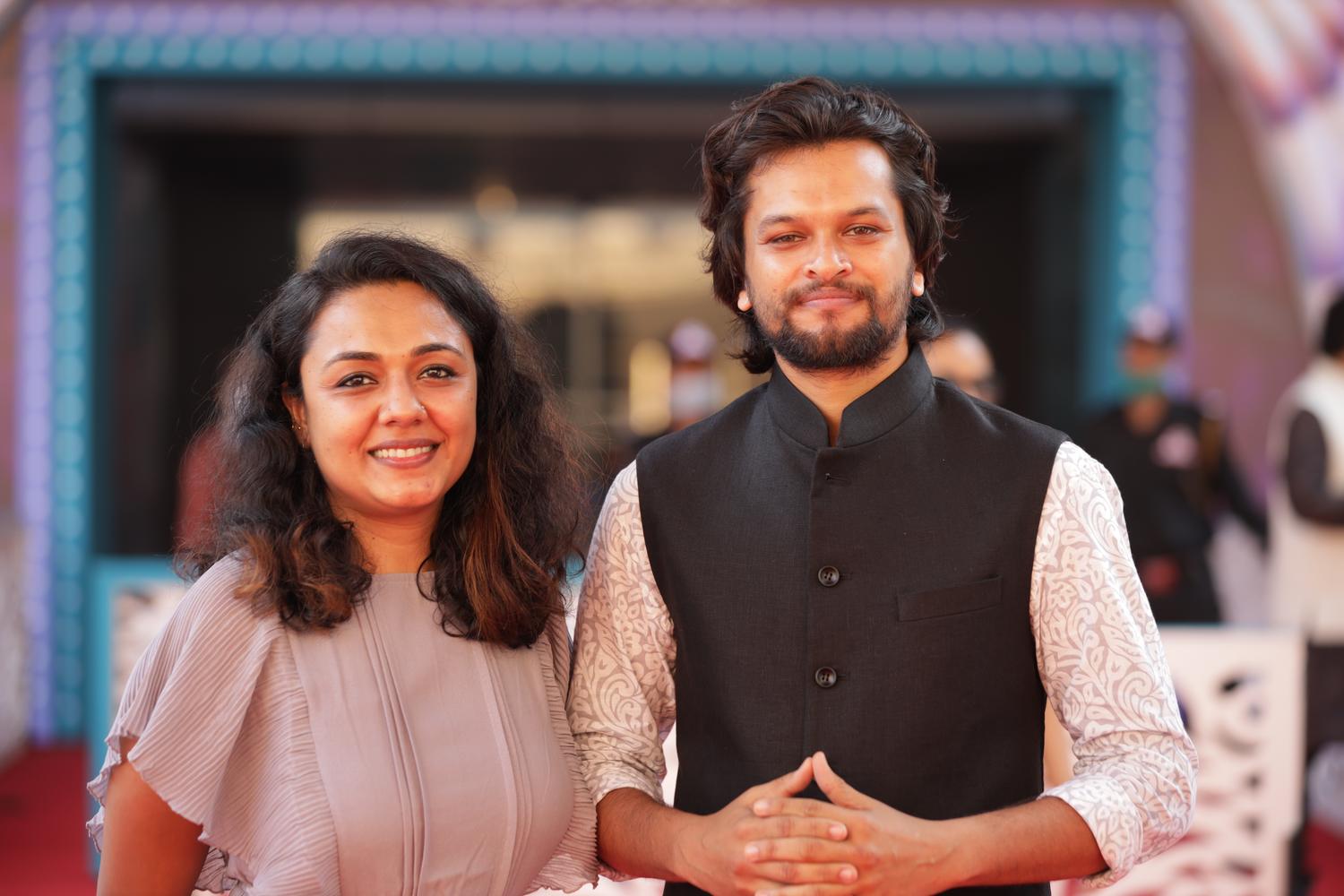
By 2017, I was newly married to Shreya, managing household expenses in Mumbai, and standing at a difficult point in my career. I did not want to return to assisting, but my own feature film was not moving forward either. So Shreya and I made a decision.
We left Mumbai and moved back to Gujarat.
At that point, I decided to make a short film. The thought was simple. Even if nothing else happened, twenty years later I wanted to be able to look back and say, I made one film of my own.
That decision became the beginning of Paanchika.
Paanchika
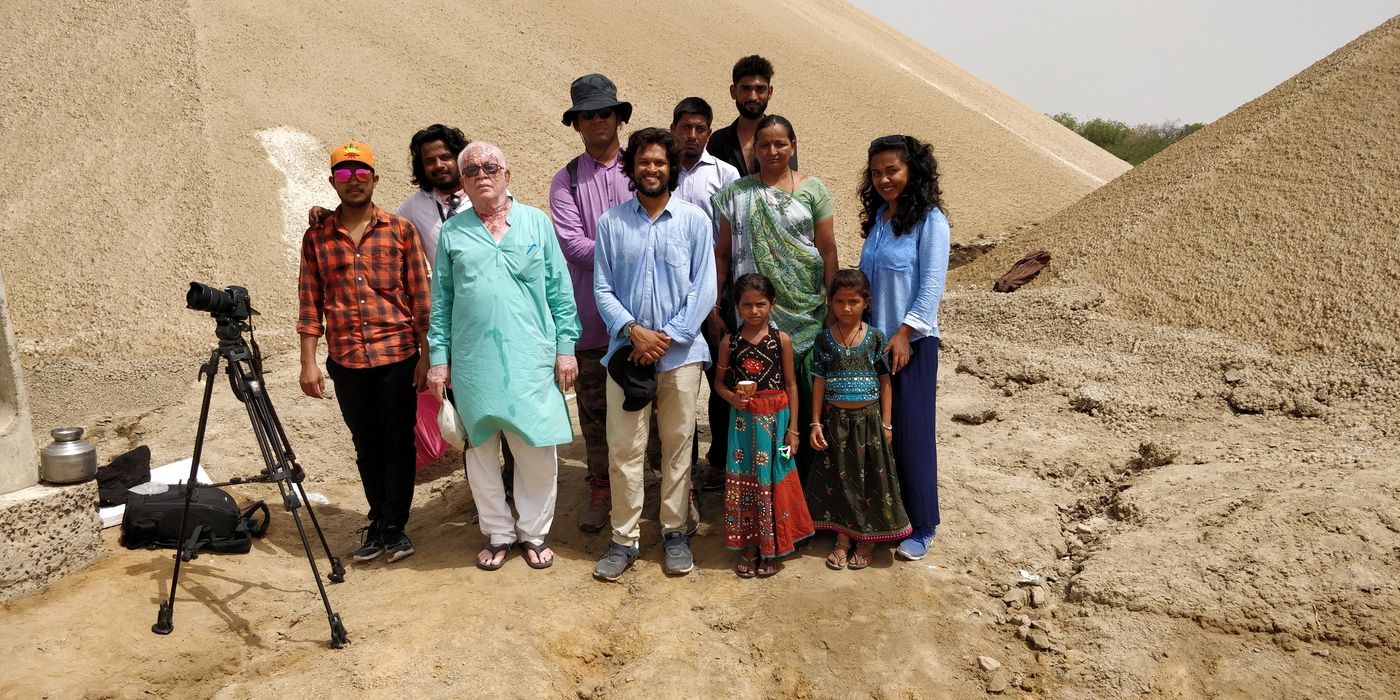
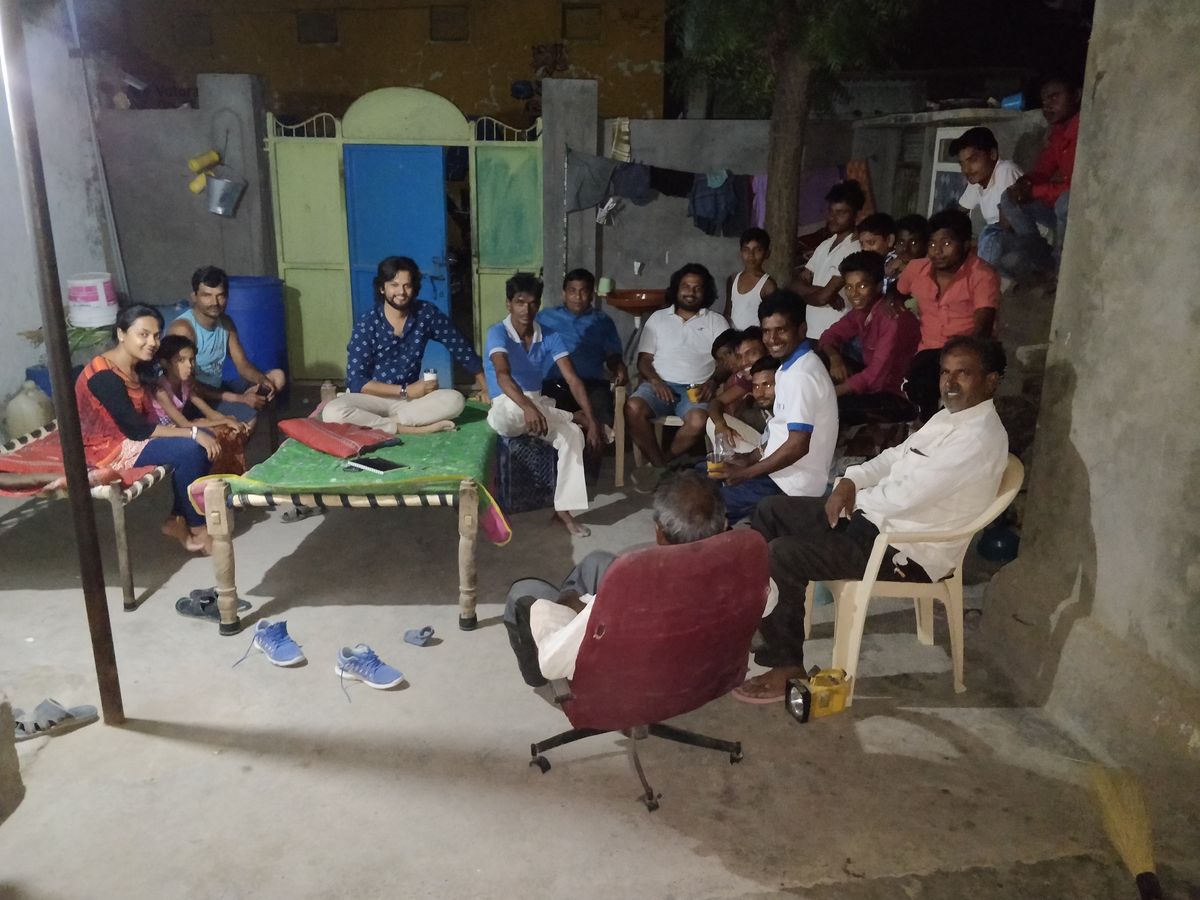
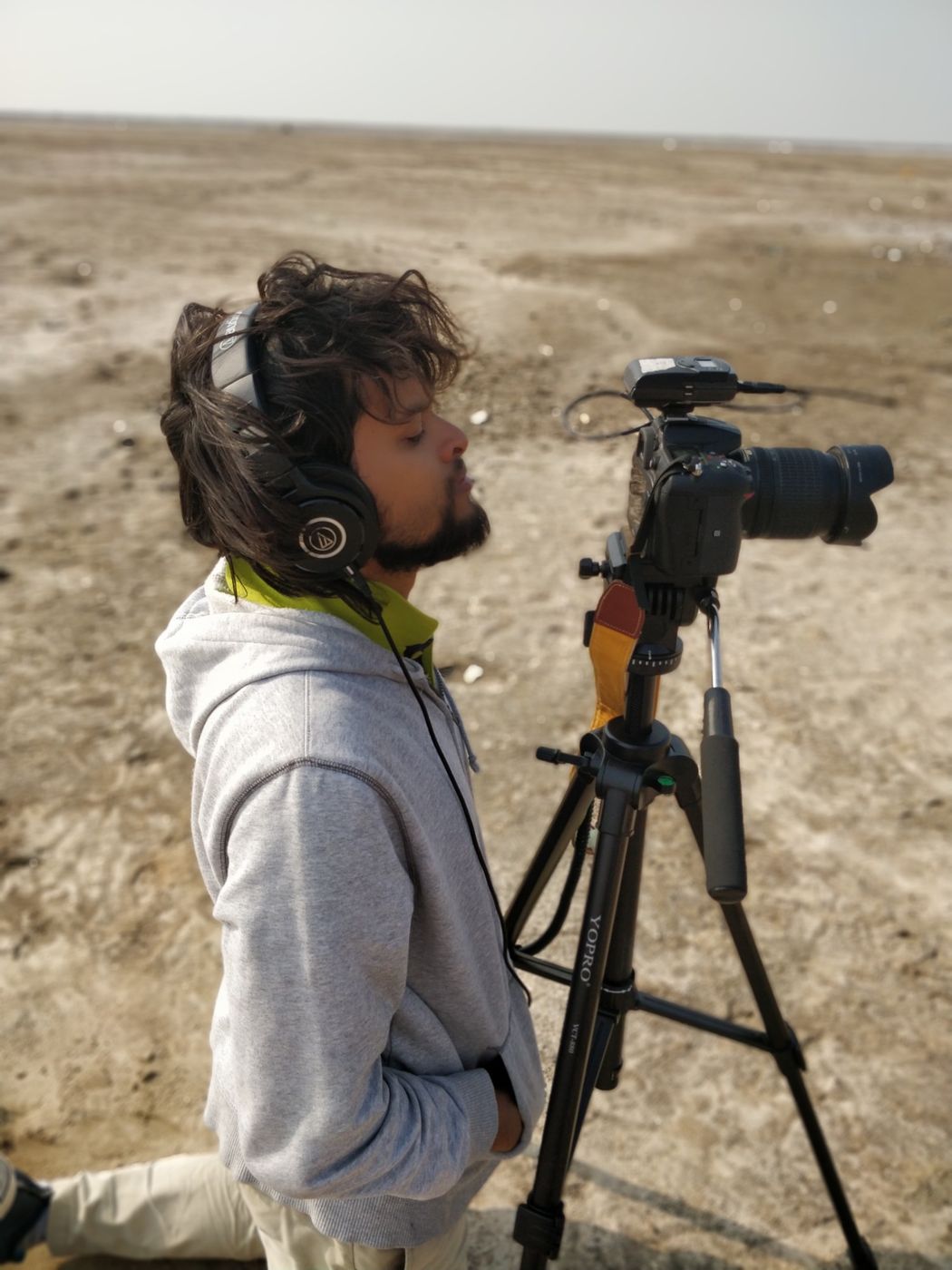
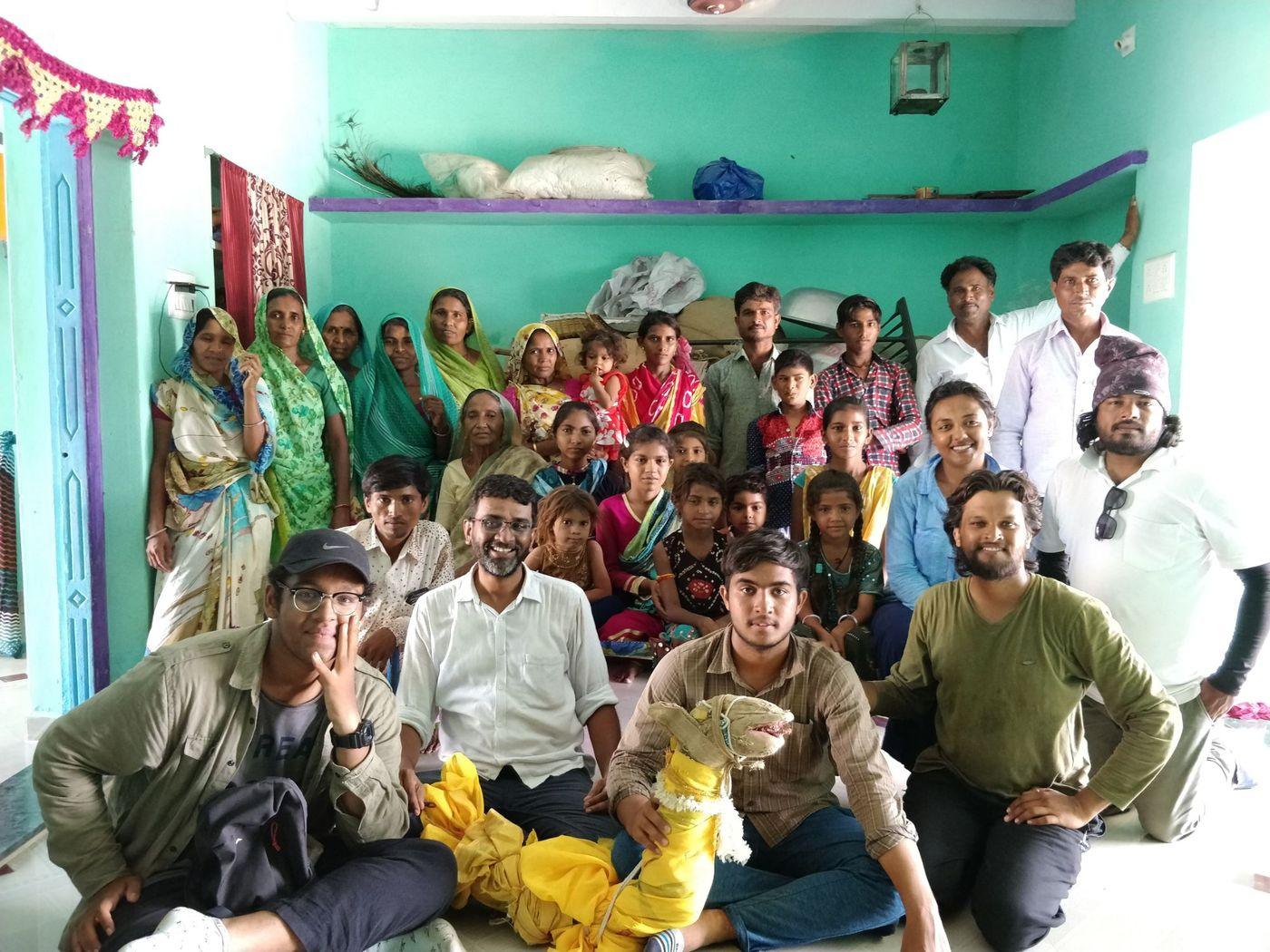
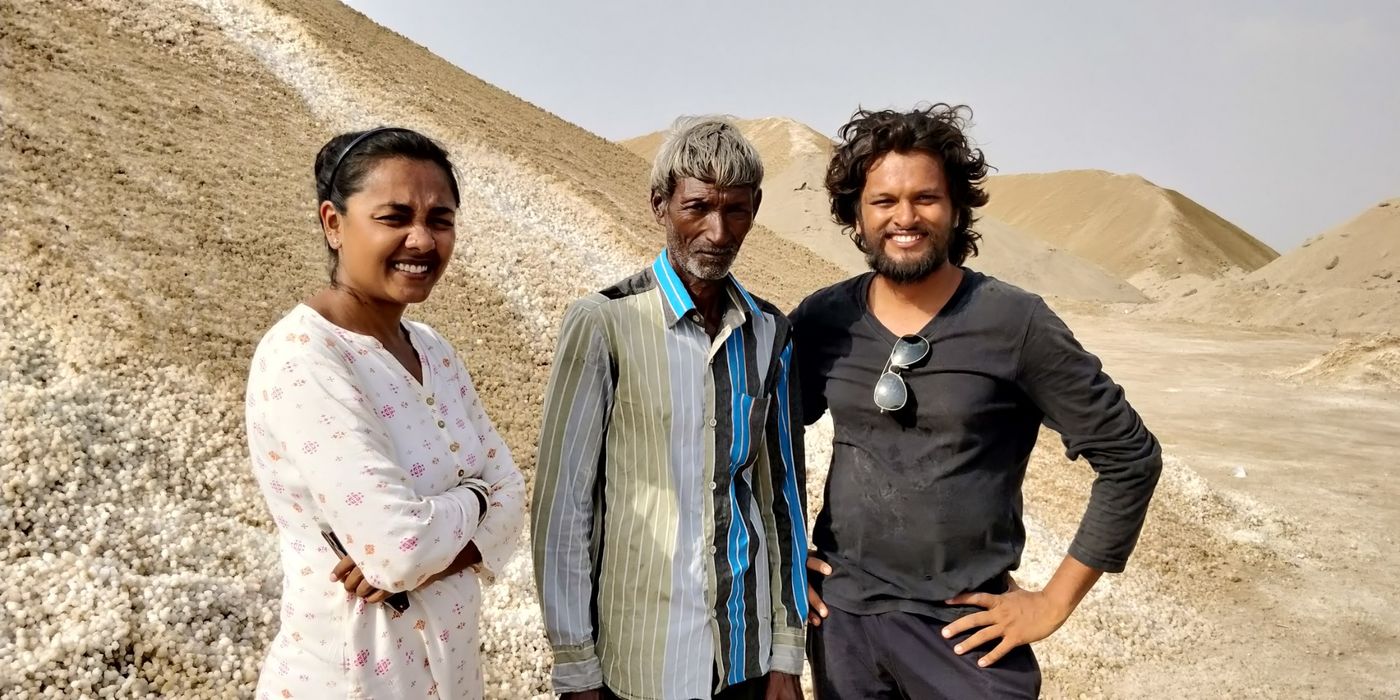
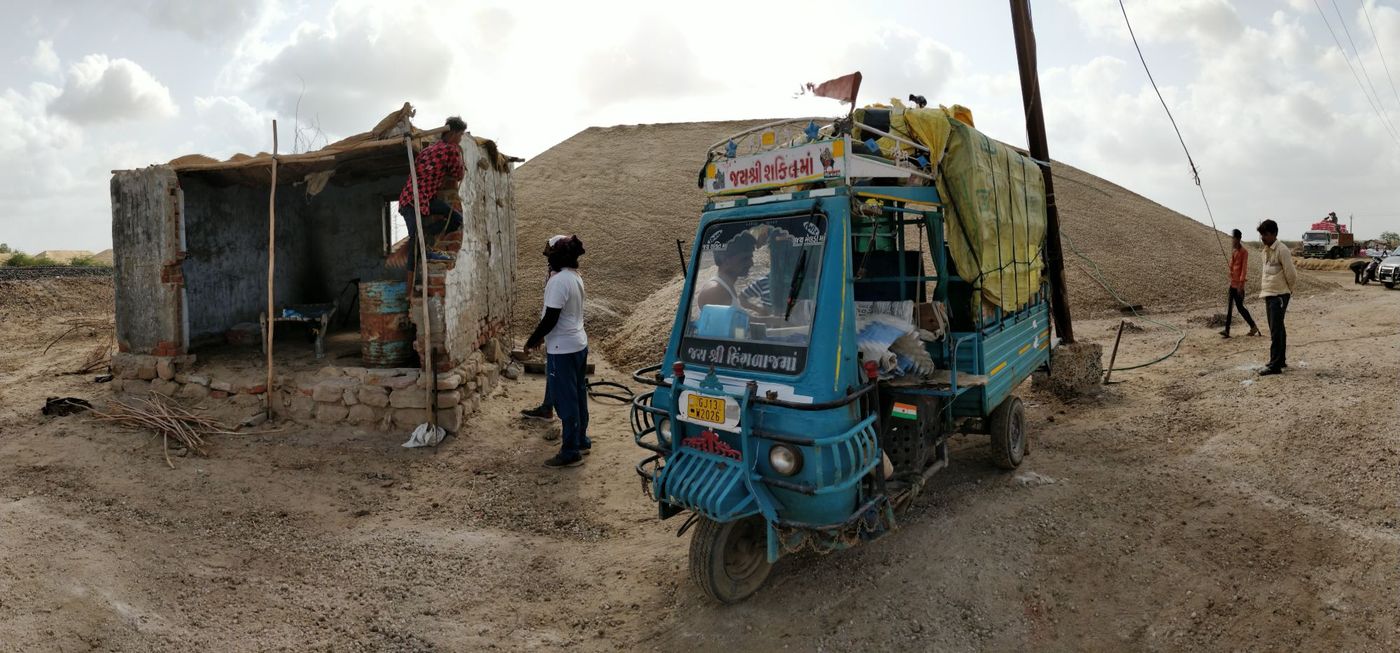
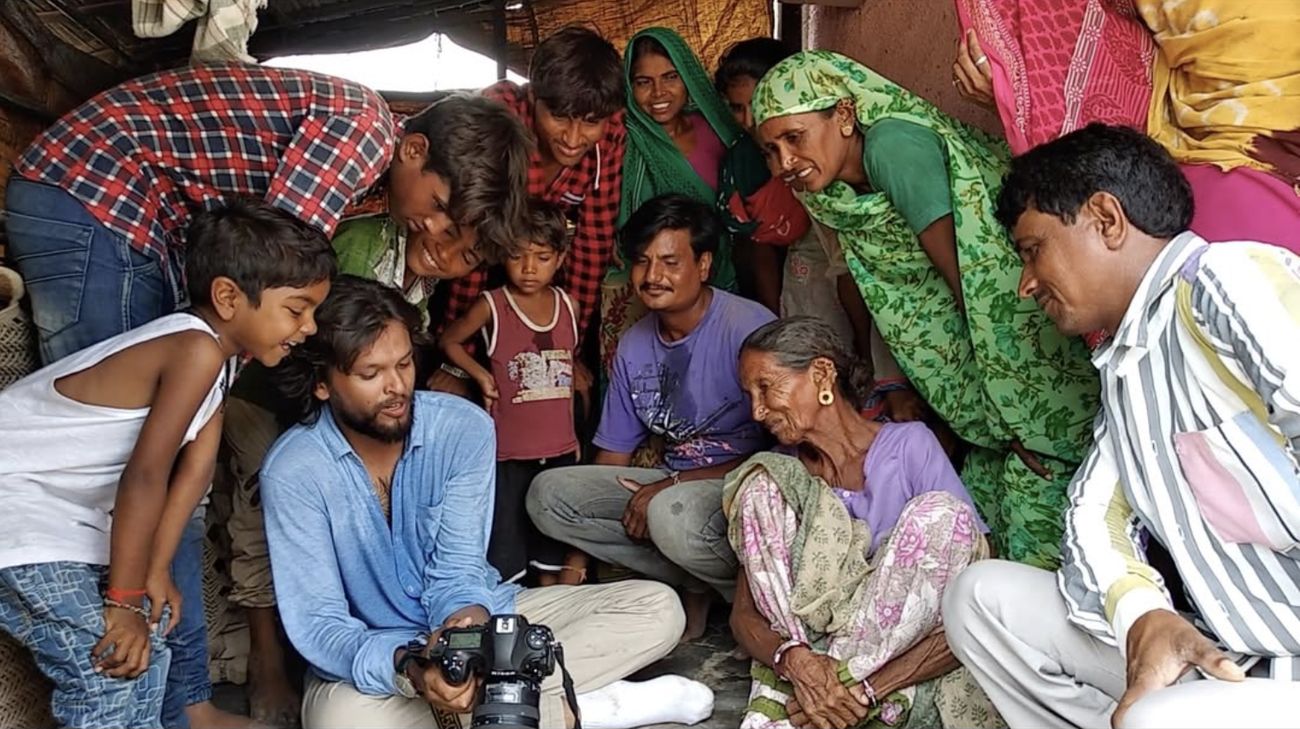
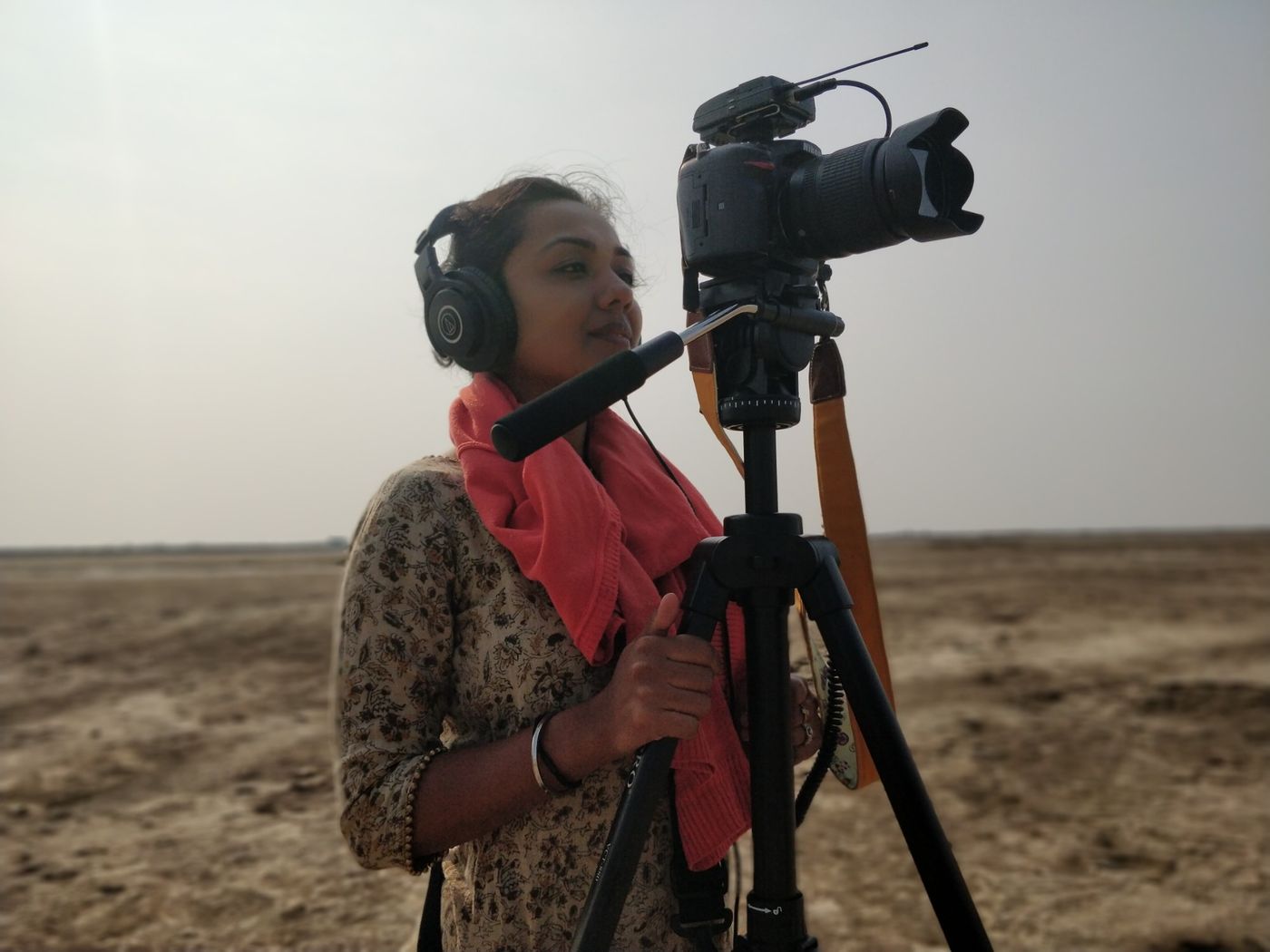
I did not have the network, resources, or high-end equipment that I had been surrounded by in Mumbai. So we started with what we had. I put together a team from Ahmedabad, worked with local villagers, and used a basic camera setup. Shreya and I, along with a small team of four or five assistants, lived on location while preparing and shooting the film.
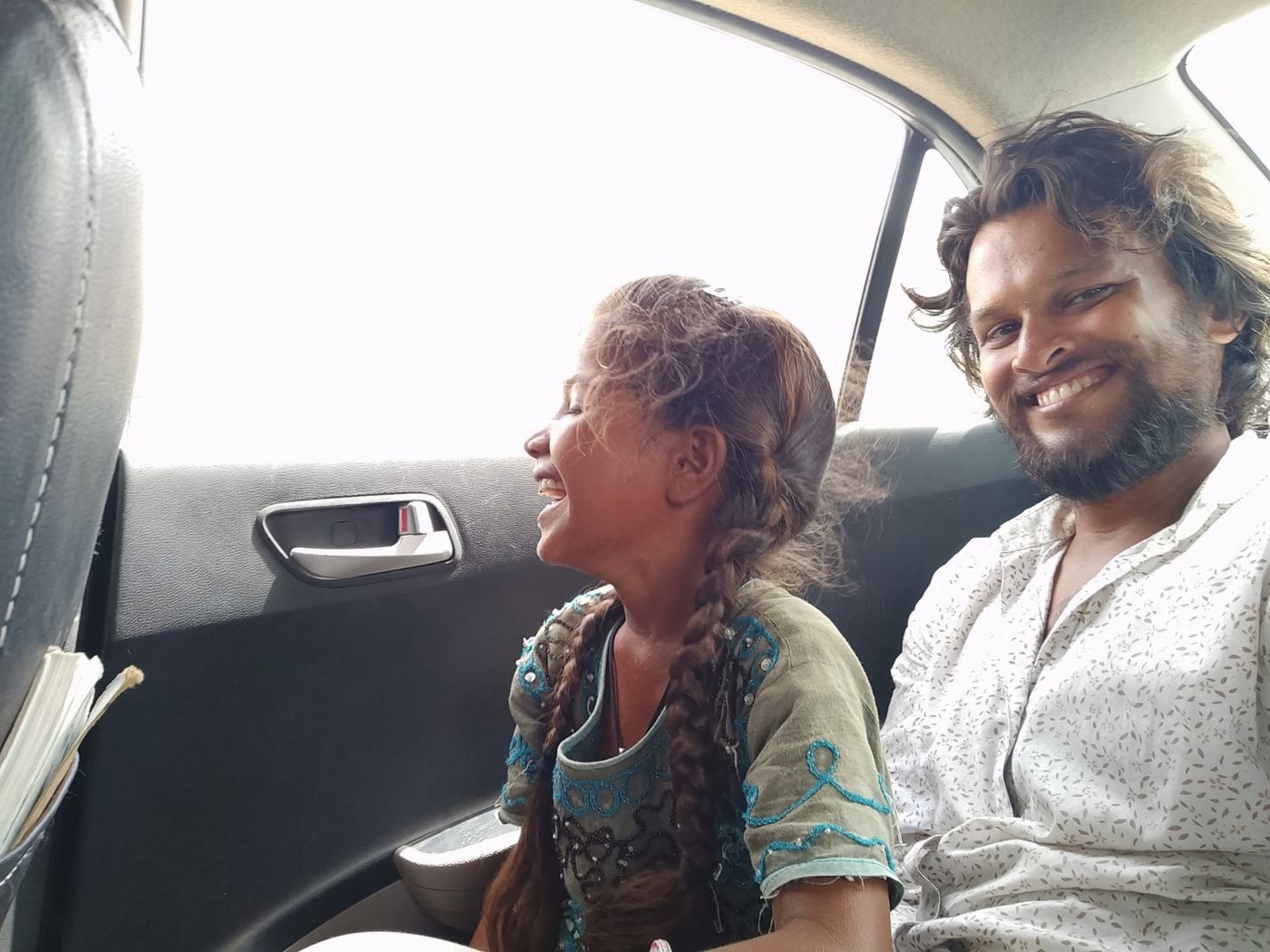
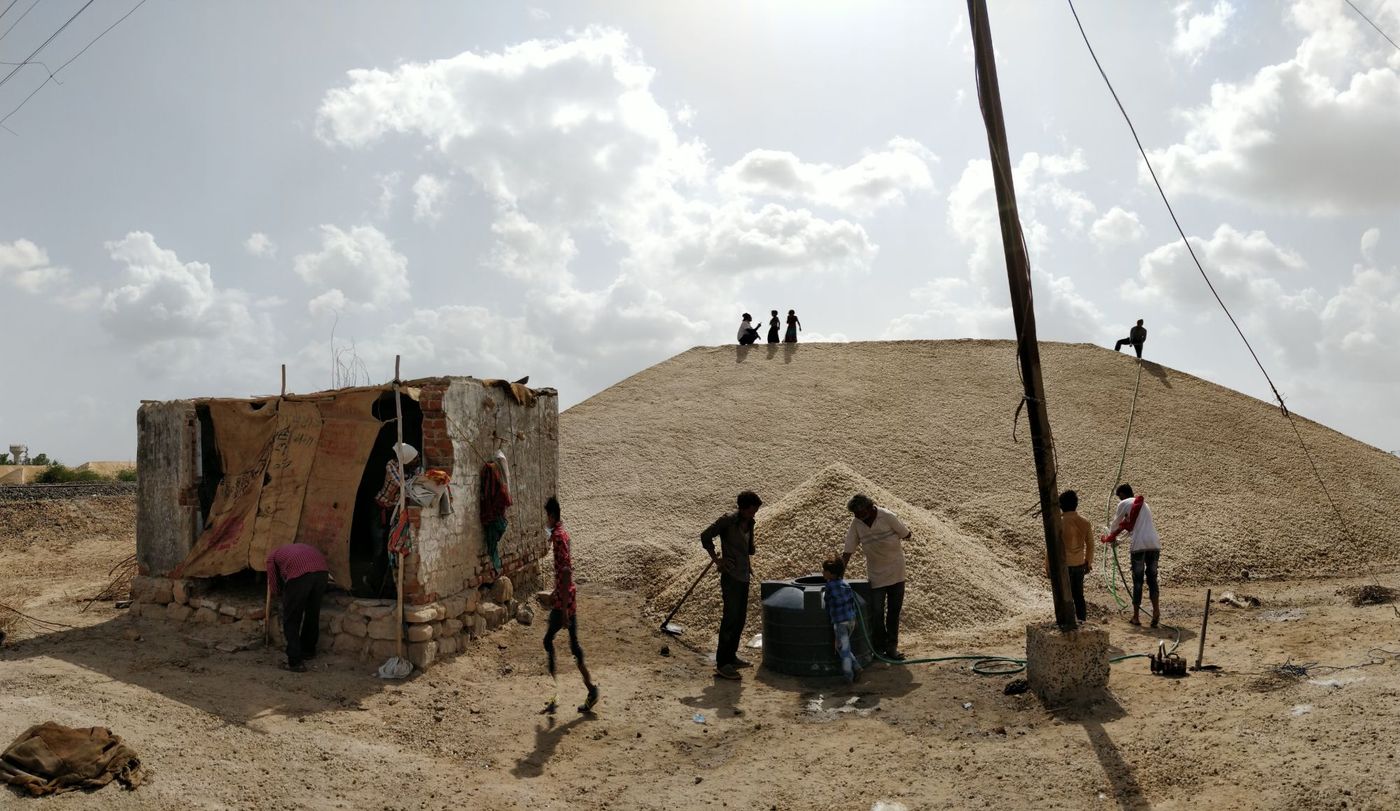
During the process, I travelled across Gujarat looking for the right location and became deeply interested in the salt farming community of Kharaghoda. We auditioned around 300 young girls from the community before selecting the two girls who would eventually become the central faces of the film.
We shot Paanchika over an intense 23 days and completed principal photography in 2018.
The edit was finished just before the COVID-19 pandemic changed everything. Like many films at the time, Paanchika had to wait. For nearly two to three years, its journey remained uncertain.
Eventually, the film began finding its way into the world. It was screened at the New York Indian Film Festival and the International Short Film Festival Oberhausen in Germany, taking this small film made in Gujarat to audiences far beyond where its journey had begun.
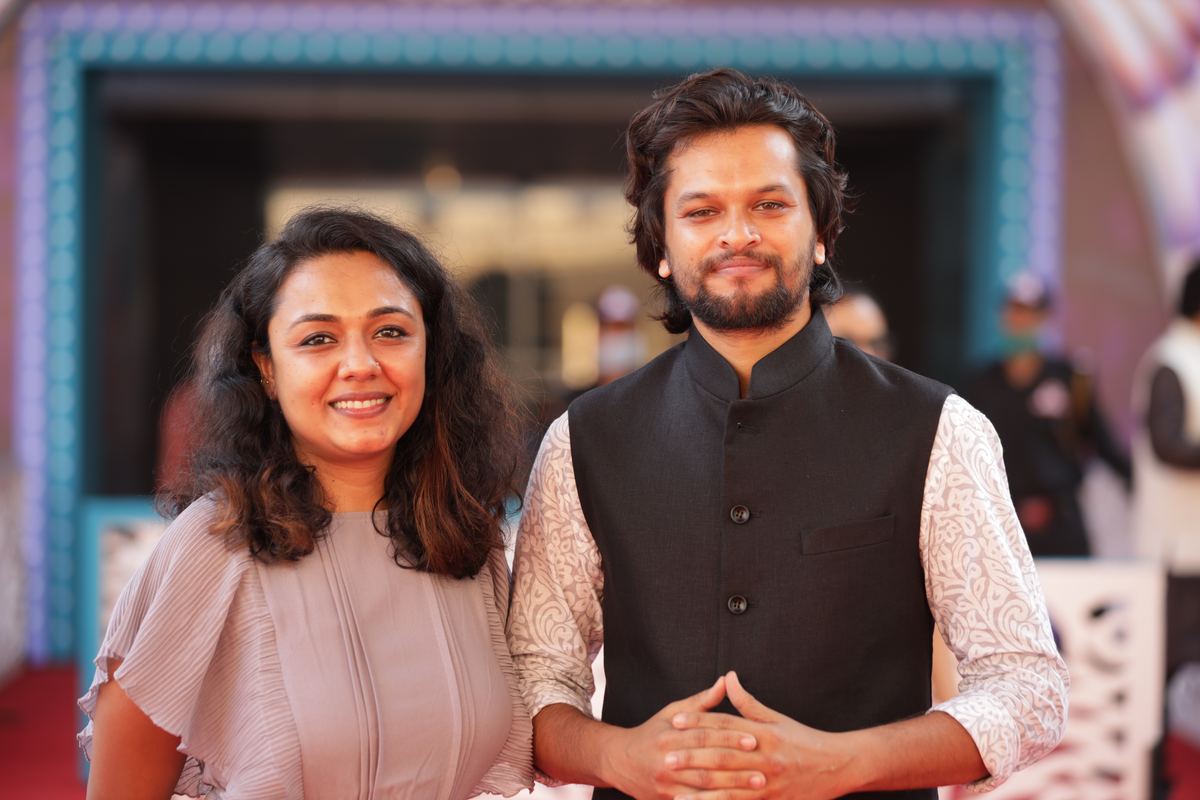
It later became the opening film at the International Film Festival of India, IFFI, which felt like a significant moment after everything we had gone through to make it.
Then, in December 2023, came a moment that neither Shreya nor I could have imagined when we first decided to make that small film in Gujarat.
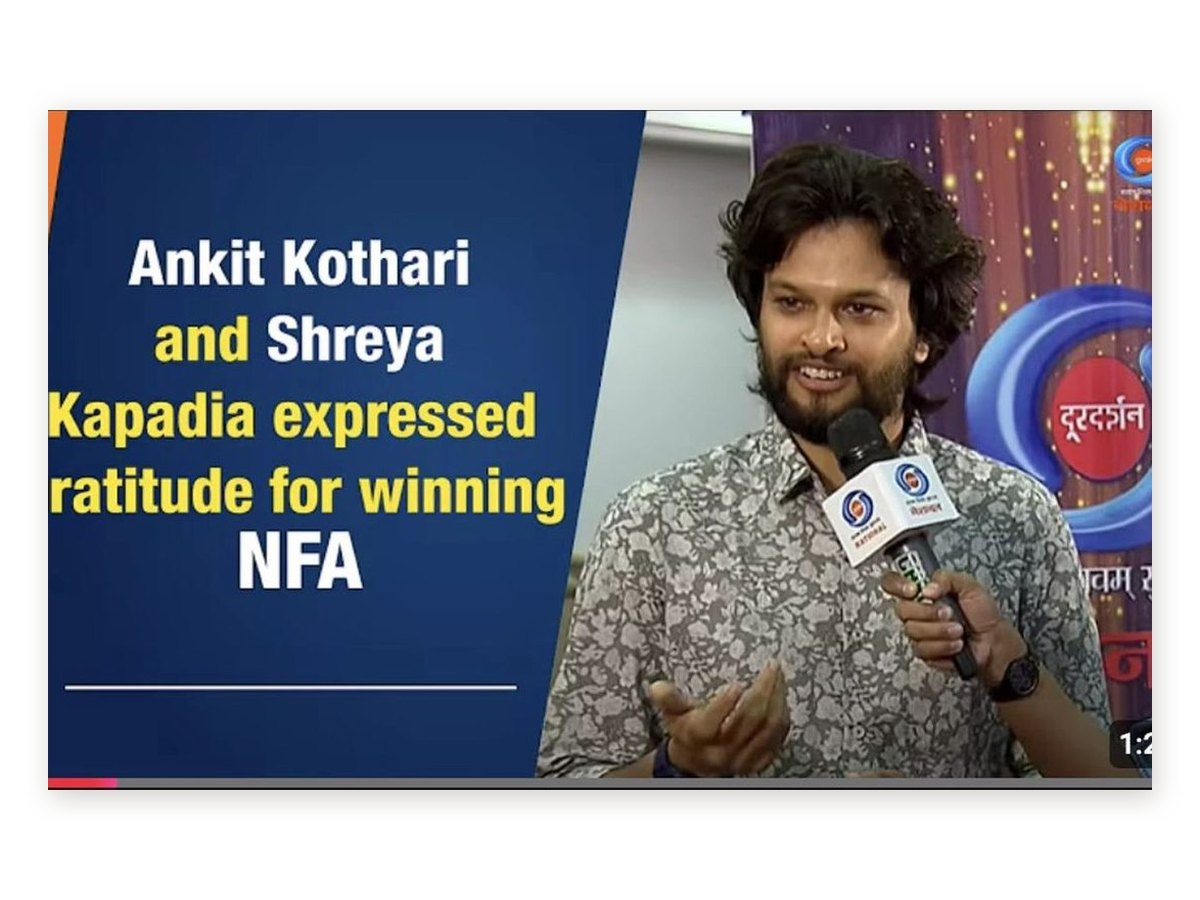
Paanchika won the National Film Award for Best Debut Non-Feature Film of a Director, receiving the Rajat Kamal.
For me, that moment was not only about winning an award. It was also a reminder of how strange a creative journey can be. A quiet child who once felt invisible because he was average at almost everything had somehow found his way from drawing on paper to advertising, from holding a clapperboard on a film set to assisting on films, from spending years on Tumbbad to finally directing a film of his own.
And somehow, all those seemingly unrelated chapters had connected.
What’s next
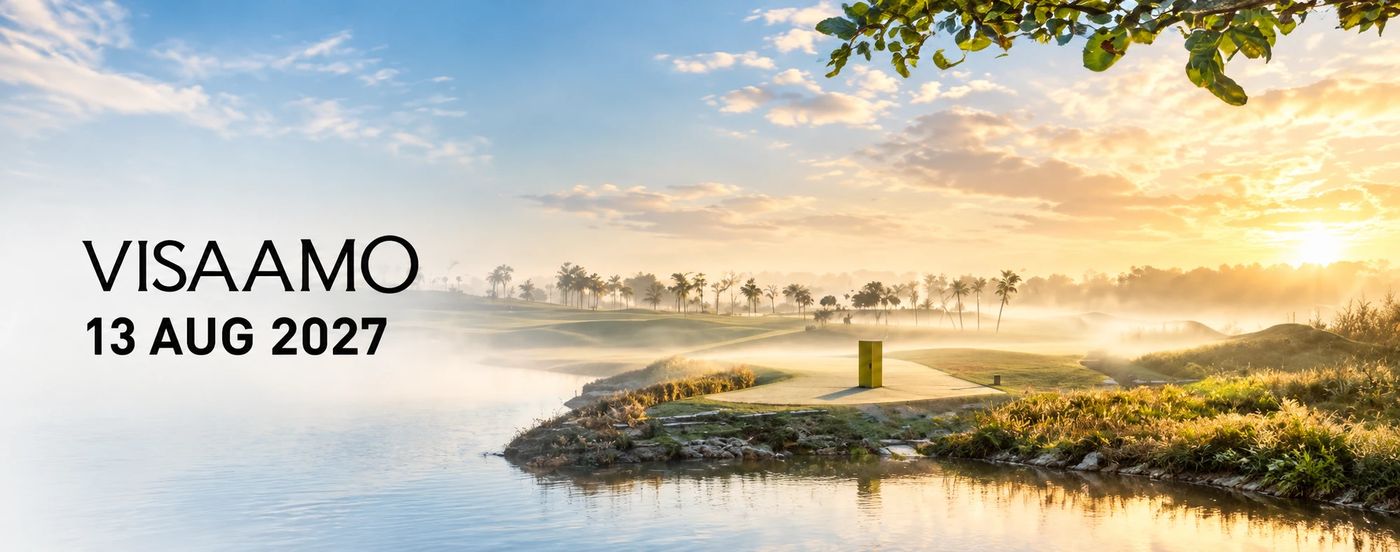
I have also co-written Visamo for Harfanmaula Productions, a romantic film set against the backdrop of the afterlife, starring Yash Soni and Manasi Parekh. The film is currently scheduled for release in August 2027.
Storytelling has also taken me into a completely different world: children’s literature.
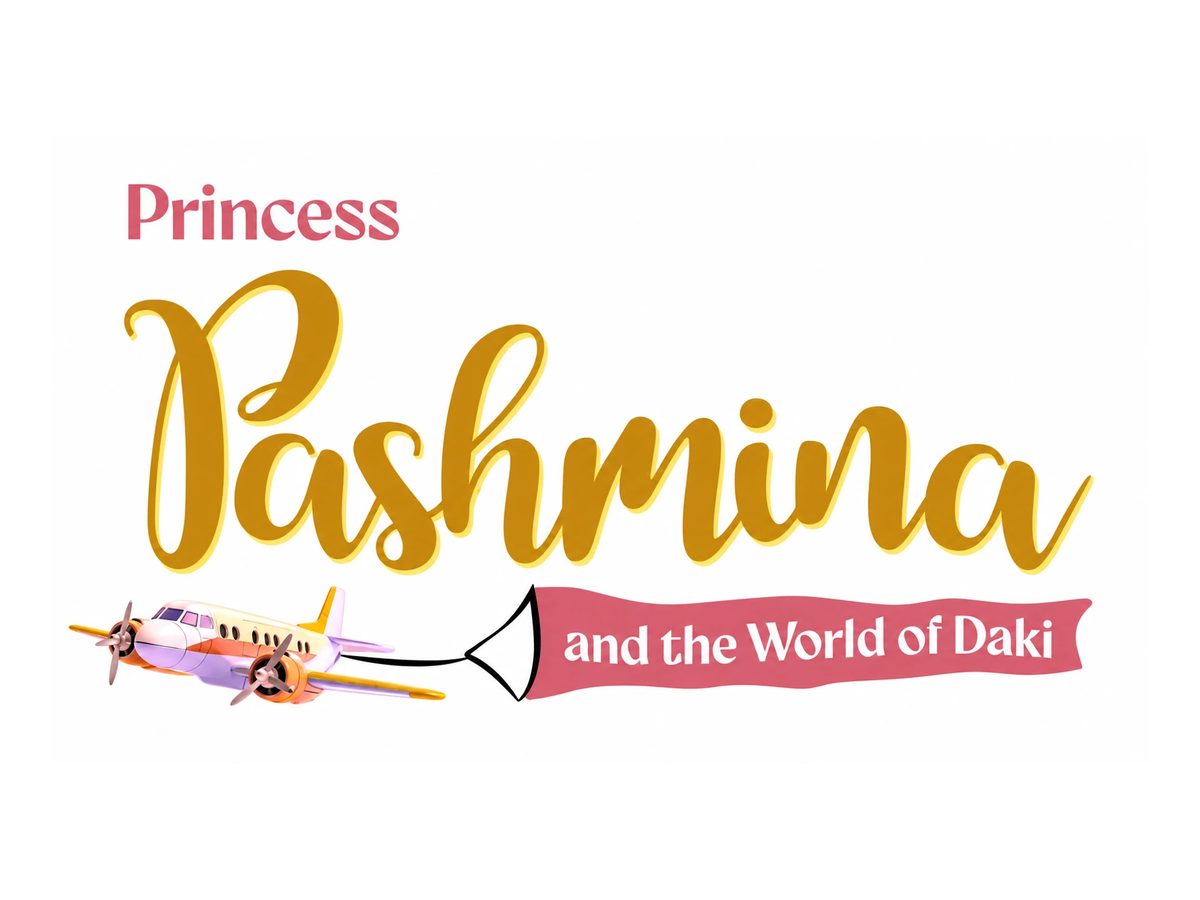
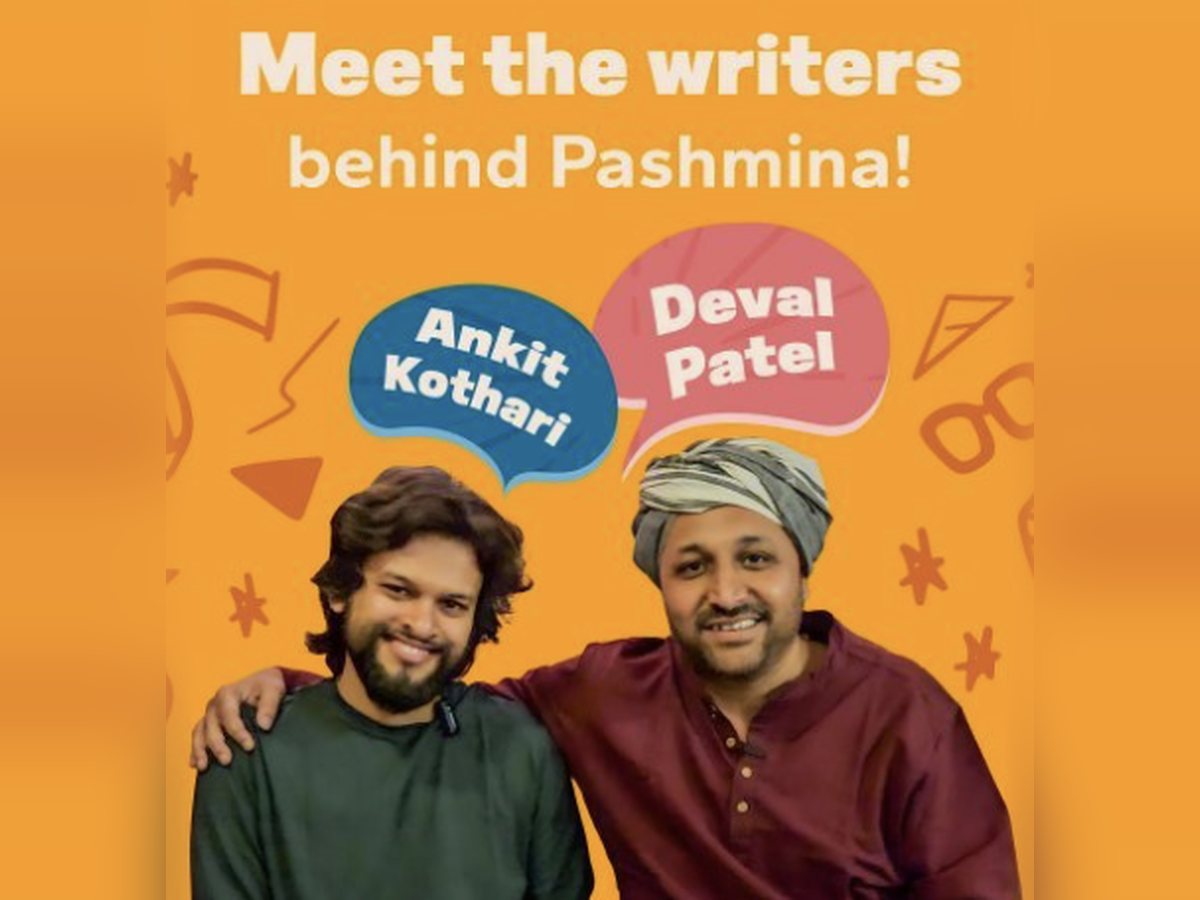
I am currently working on a magical fantasy children’s book titled Princess Pashmina and the World of Daki. Inspired by the sense of wonder and world-building found in stories like Harry Potter, it is planned as a three-part series, with the first part expected to release in summer 2027.
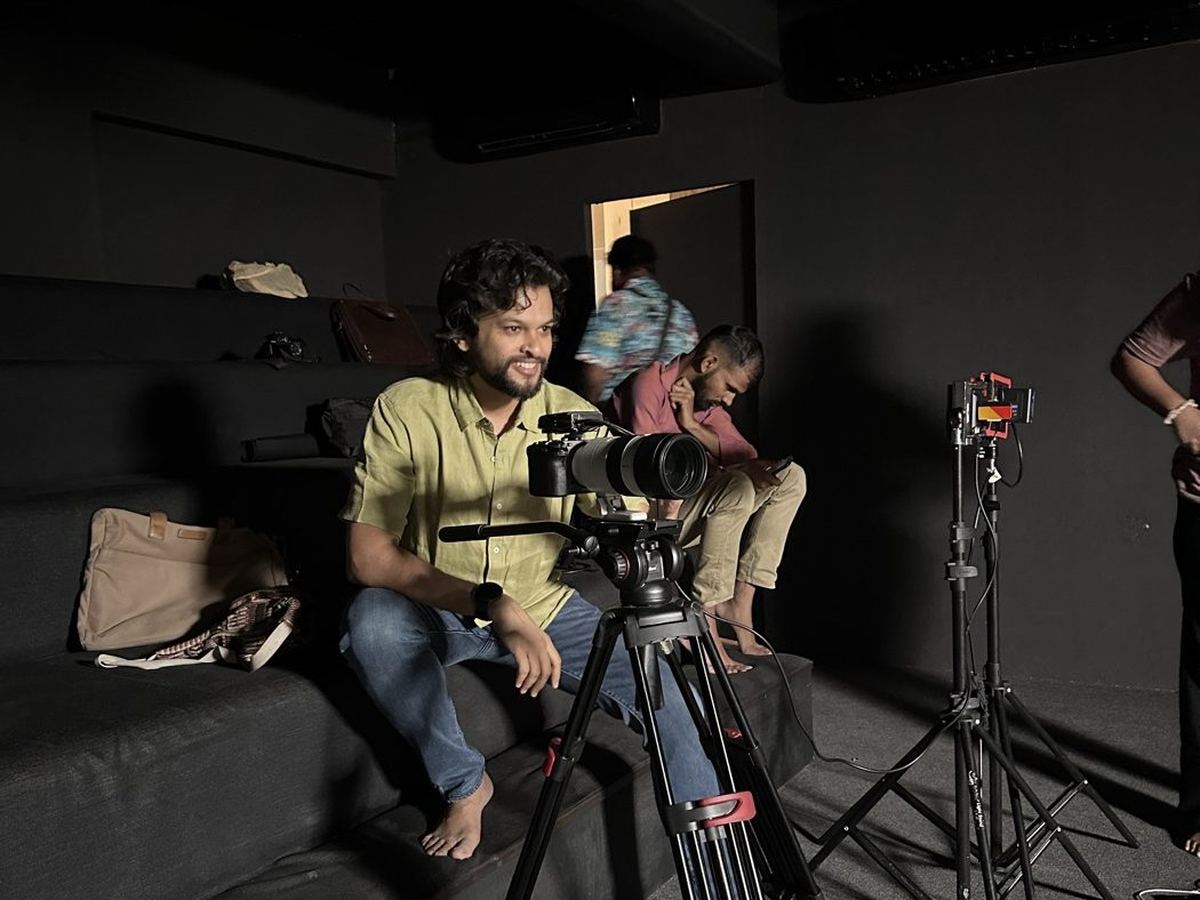
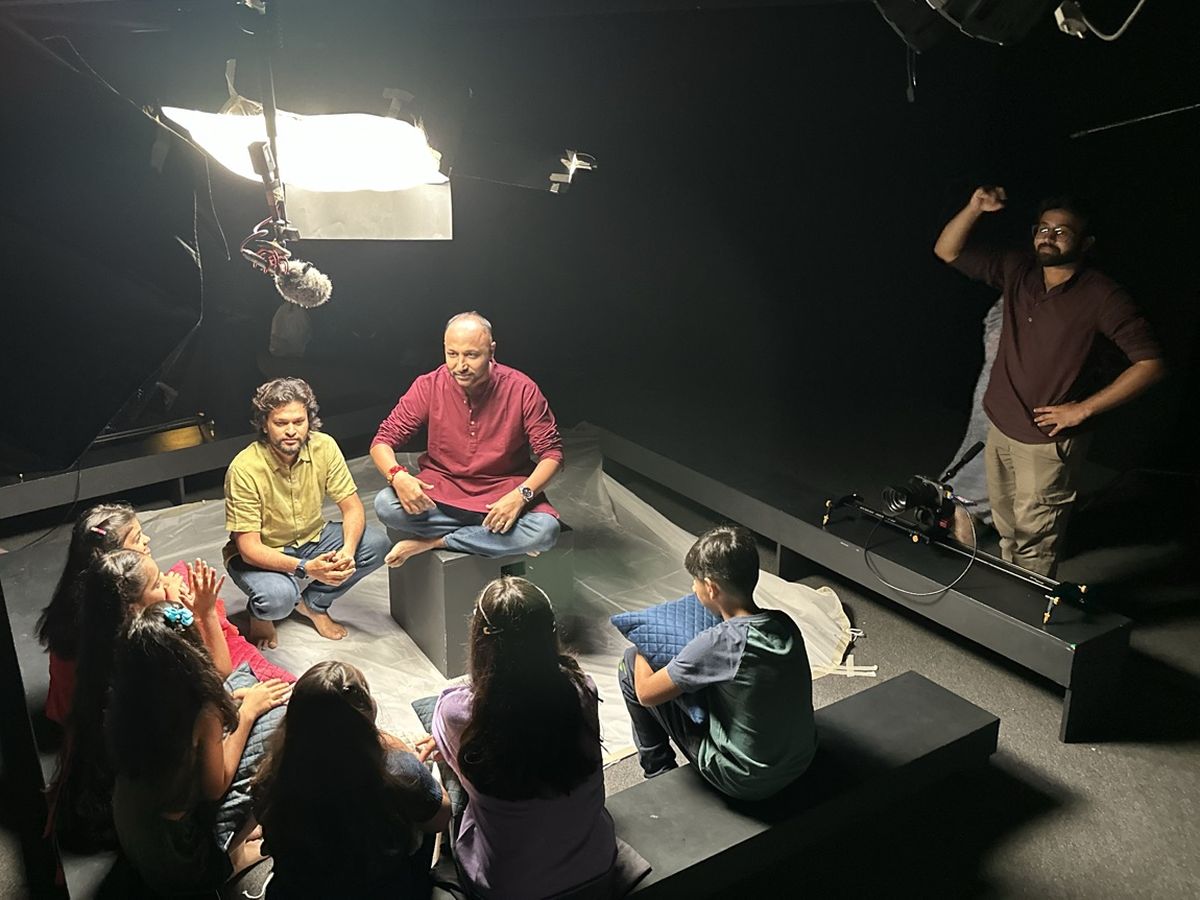
As the book takes shape, we regularly organise sample reading sessions with children in Ahmedabad. These sessions allow us to experience the story through young readers, understand what captures their imagination, and gradually build a small community around reading, fantasy, and storytelling.
From a junior designer to a storyteller brands trust.
Since 2005, I’ve been doing one thing. Getting people to stop, care, and remember.
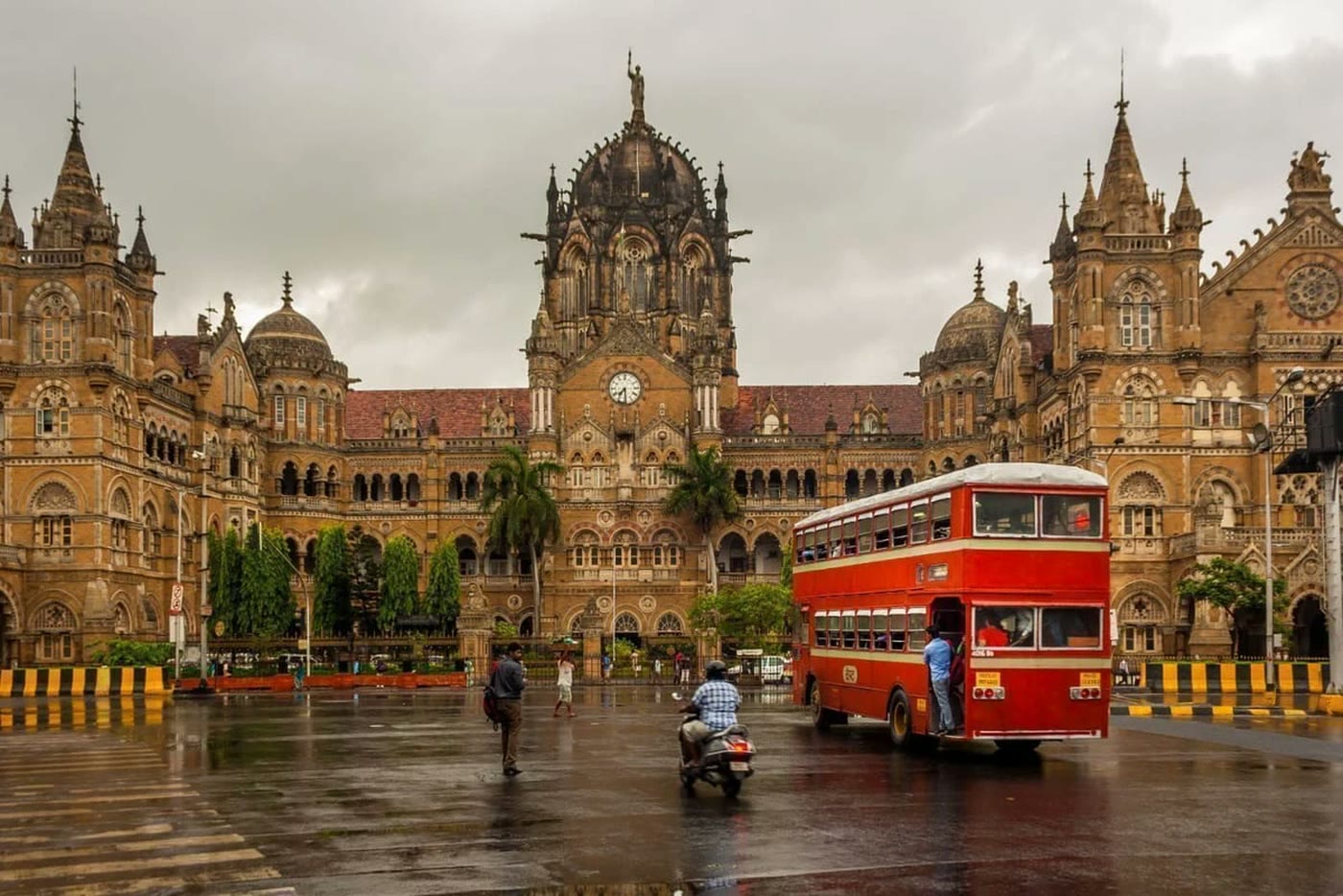
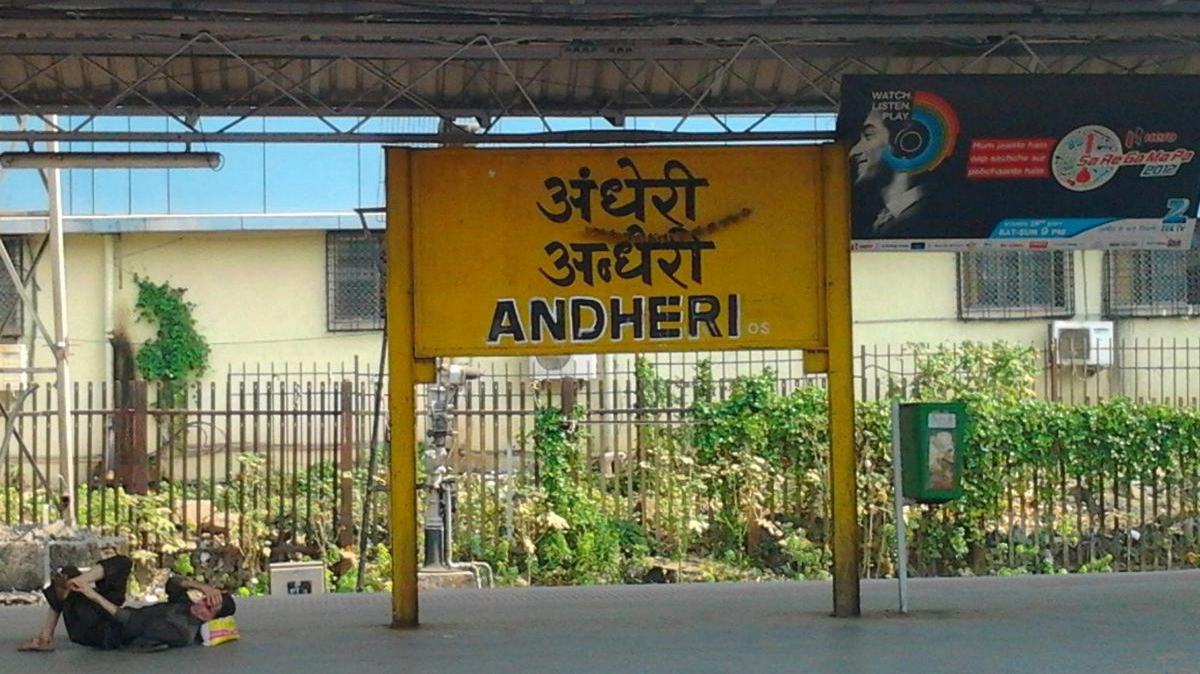
2005. Print. Deadlines. Andheri local.
I started at Ogilvy & Mather, then Contract. Back then, an ad got one page and three seconds. If it didn’t hook in three seconds, it didn’t work.
Today, a reel gets the same three seconds. I’ve been practising since 2005.
HSBC
Nobody wakes up excited about a loan. So the ad had to make you stop, trust it, and read till the end.
Cadbury Celebrations
It was never about selling chocolate. It was about replacing the laddoo. For generations, Diwali meant a box of mithai. We gave people a new way to say Happy Diwali.
The lesson that stuck:
Marketing is not about making something look good. It’s about making people notice, connect, and press the button.
Now, I find the one story a brand can own.
The work got bigger. The question stayed small: why should anyone care?
Educational Initiatives: A great product. Five minutes.
That’s all a sales executive gets with a school principal. I built the sales story that made a complex product easy to get. So the principal says “haan, samajh gaya” before the meeting ends.
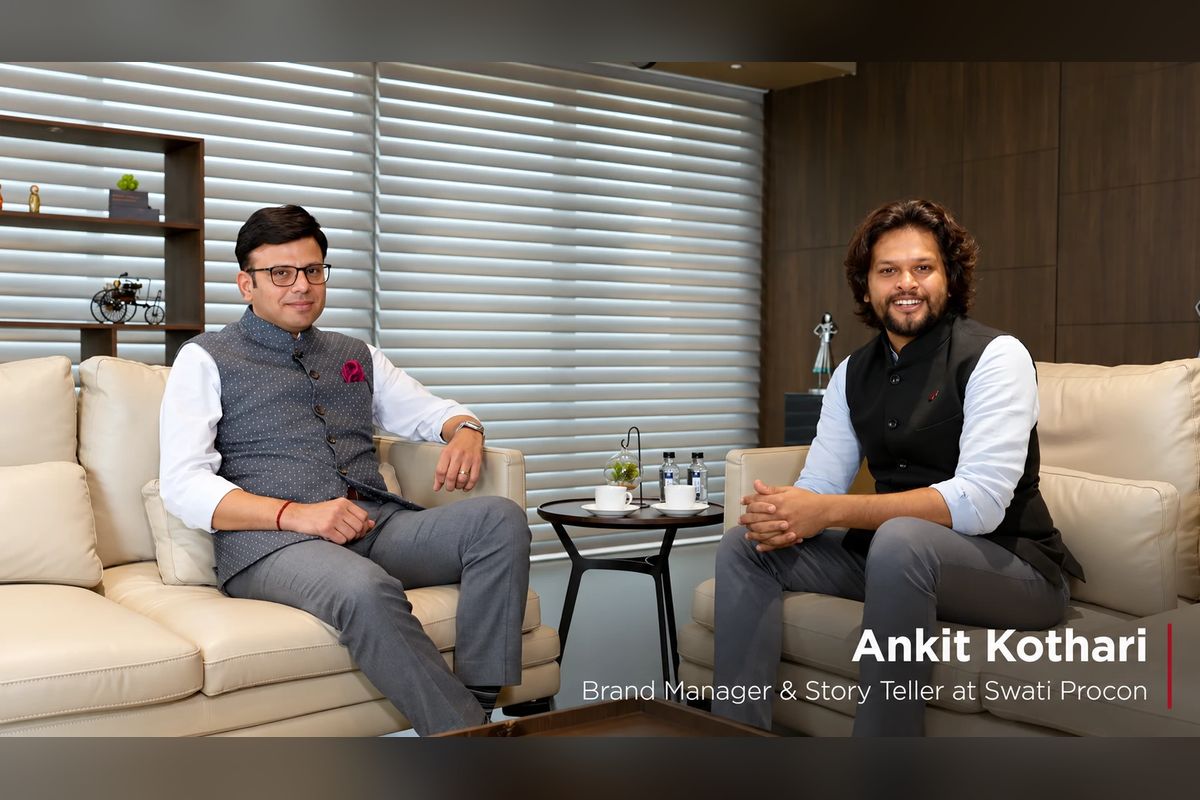
Swati: A construction site that sounds like luxury
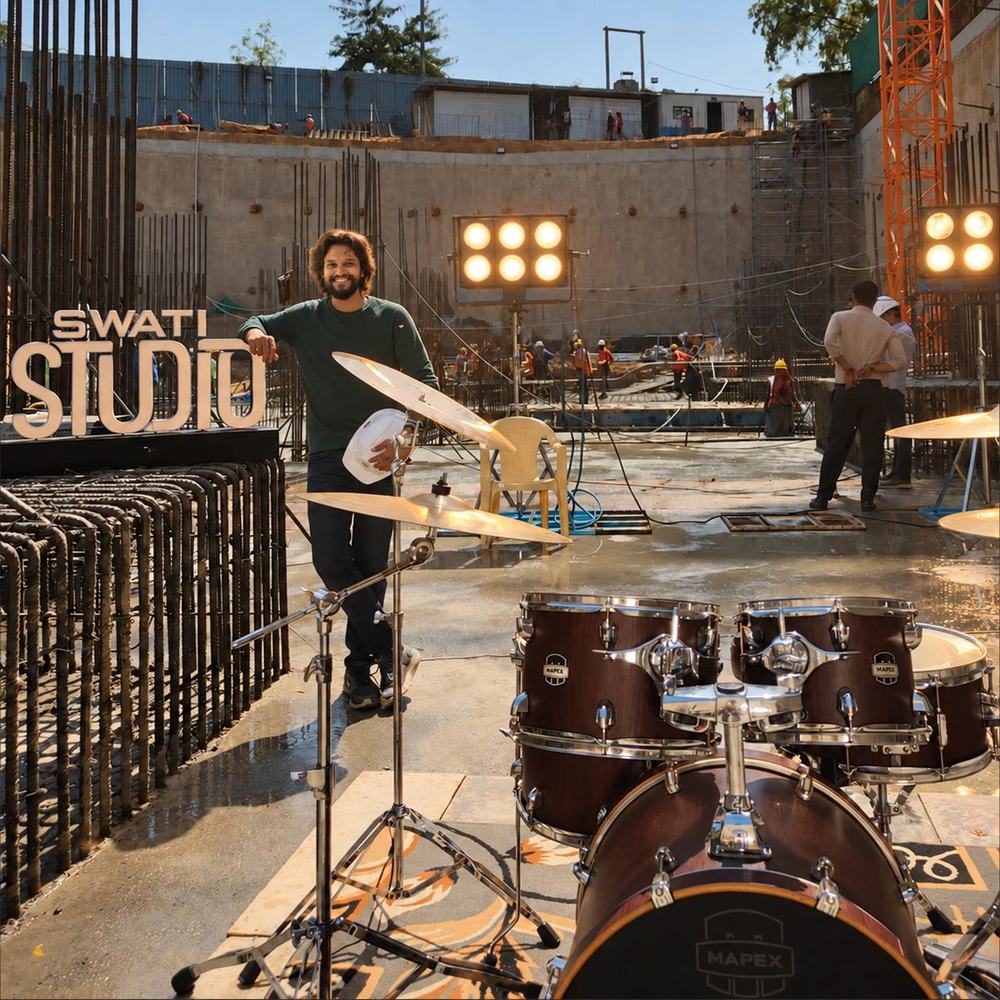
Construction sites are loud. Dust, steel, drilling. Luxury is quiet. For Swati, I turned the sounds of the site into music, with a violin and a piano. Same site. Now it felt like luxury.
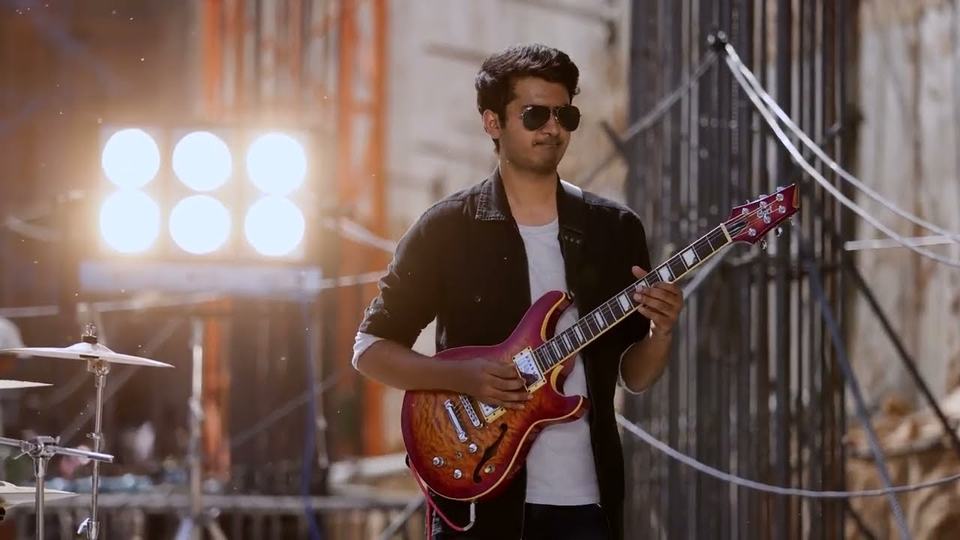
Rock
Navratri
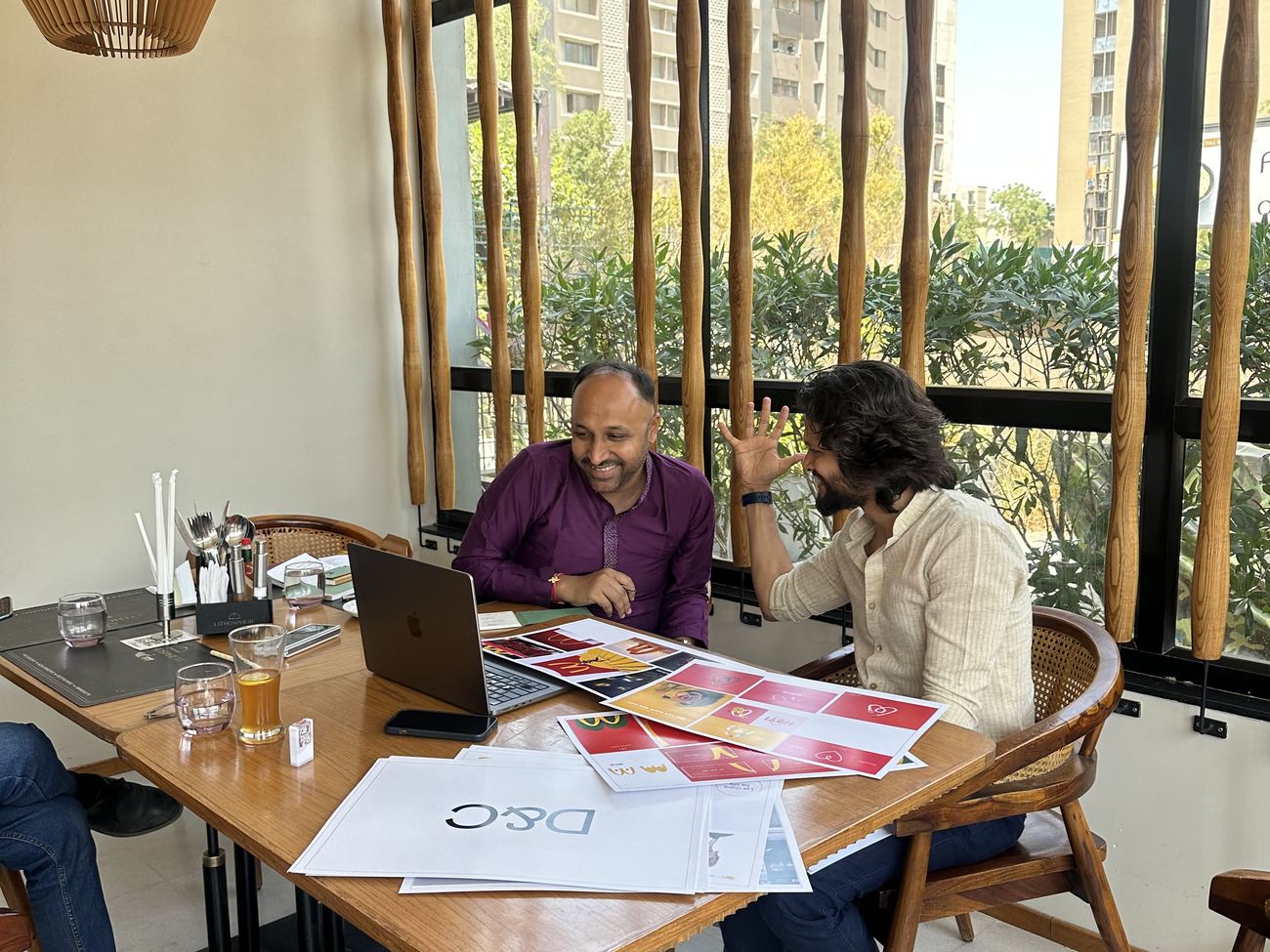
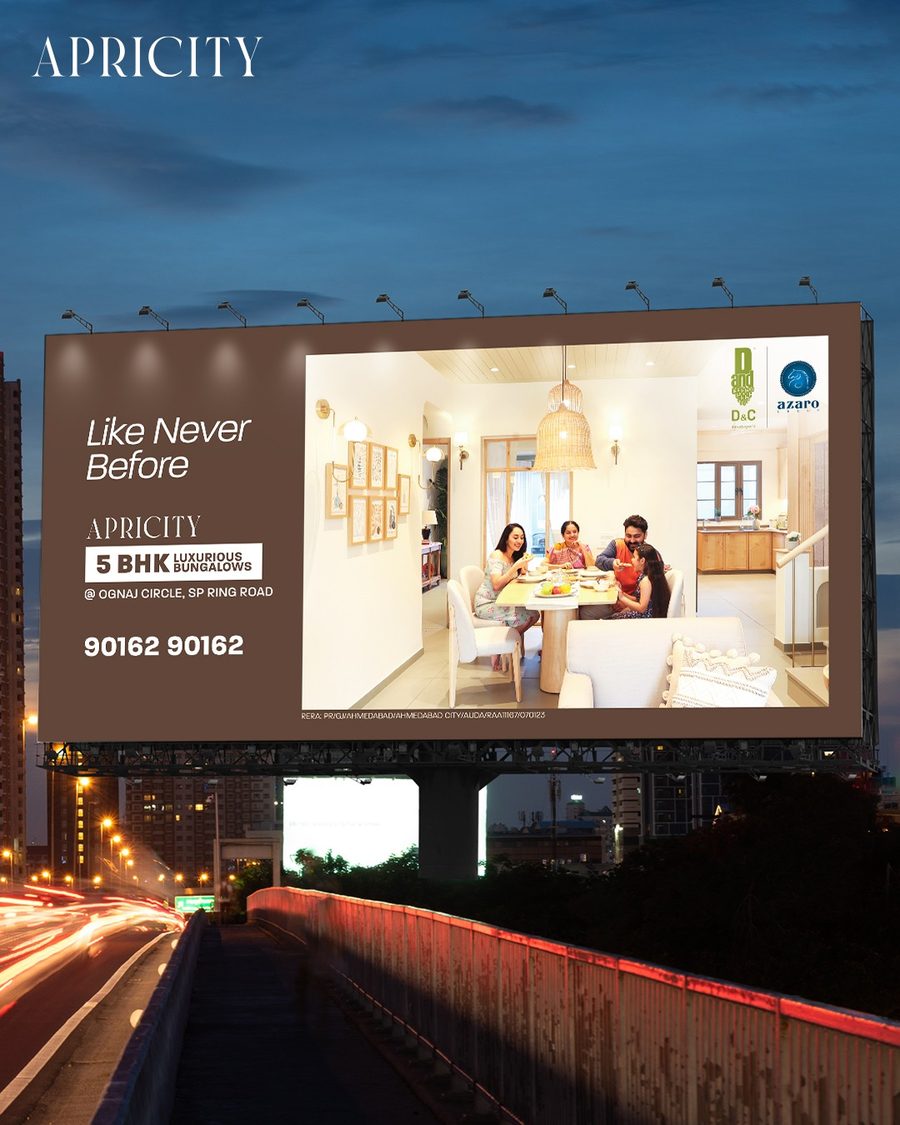
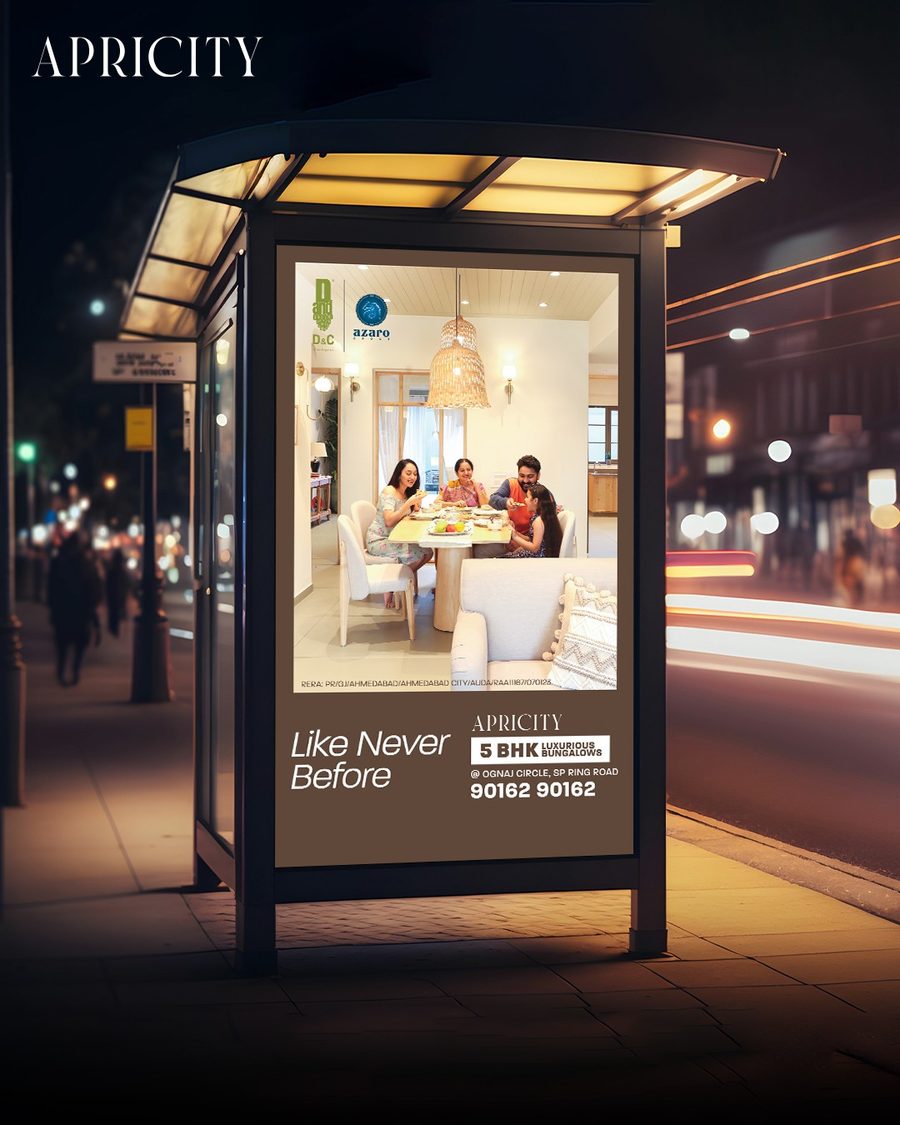
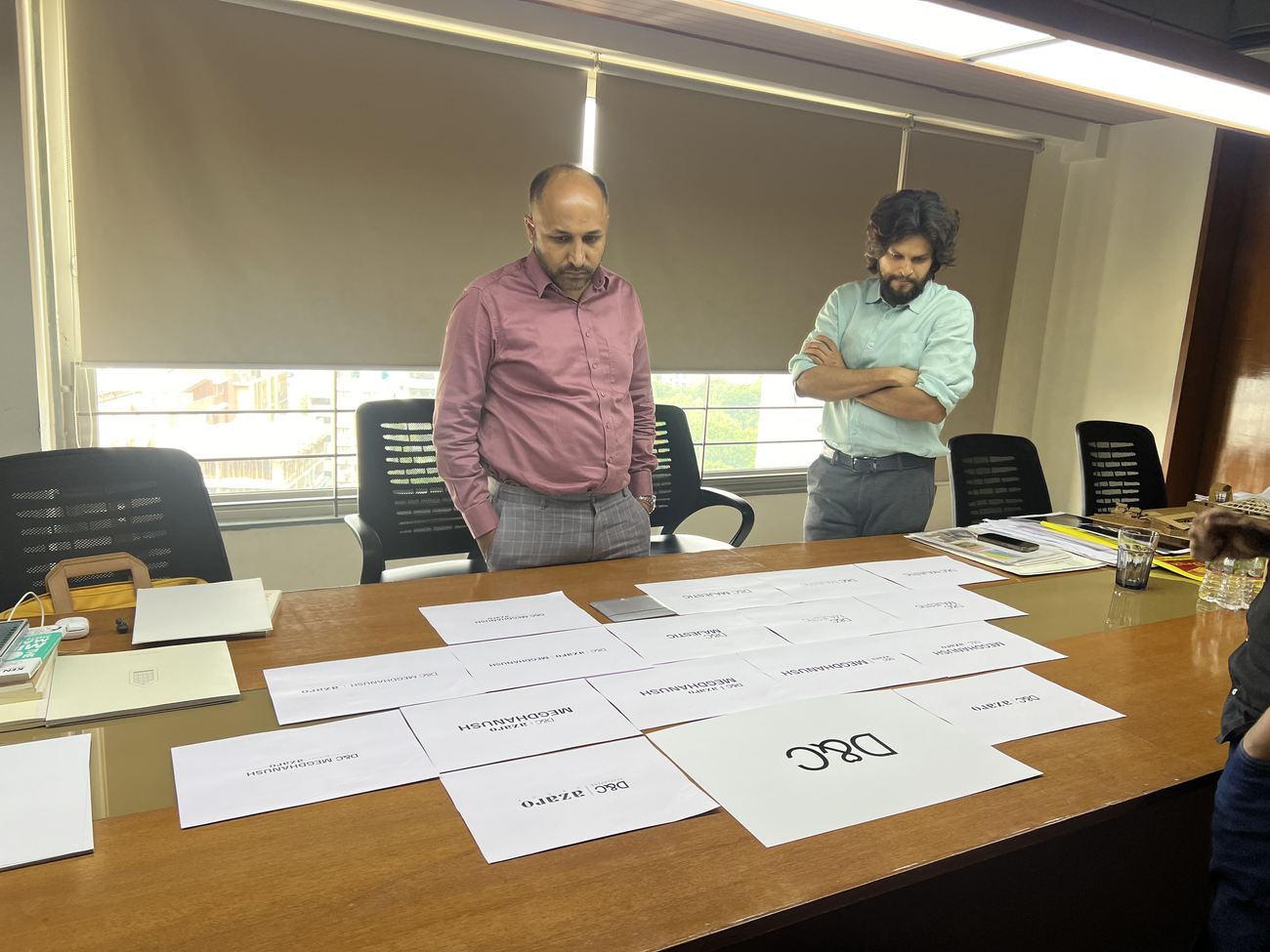
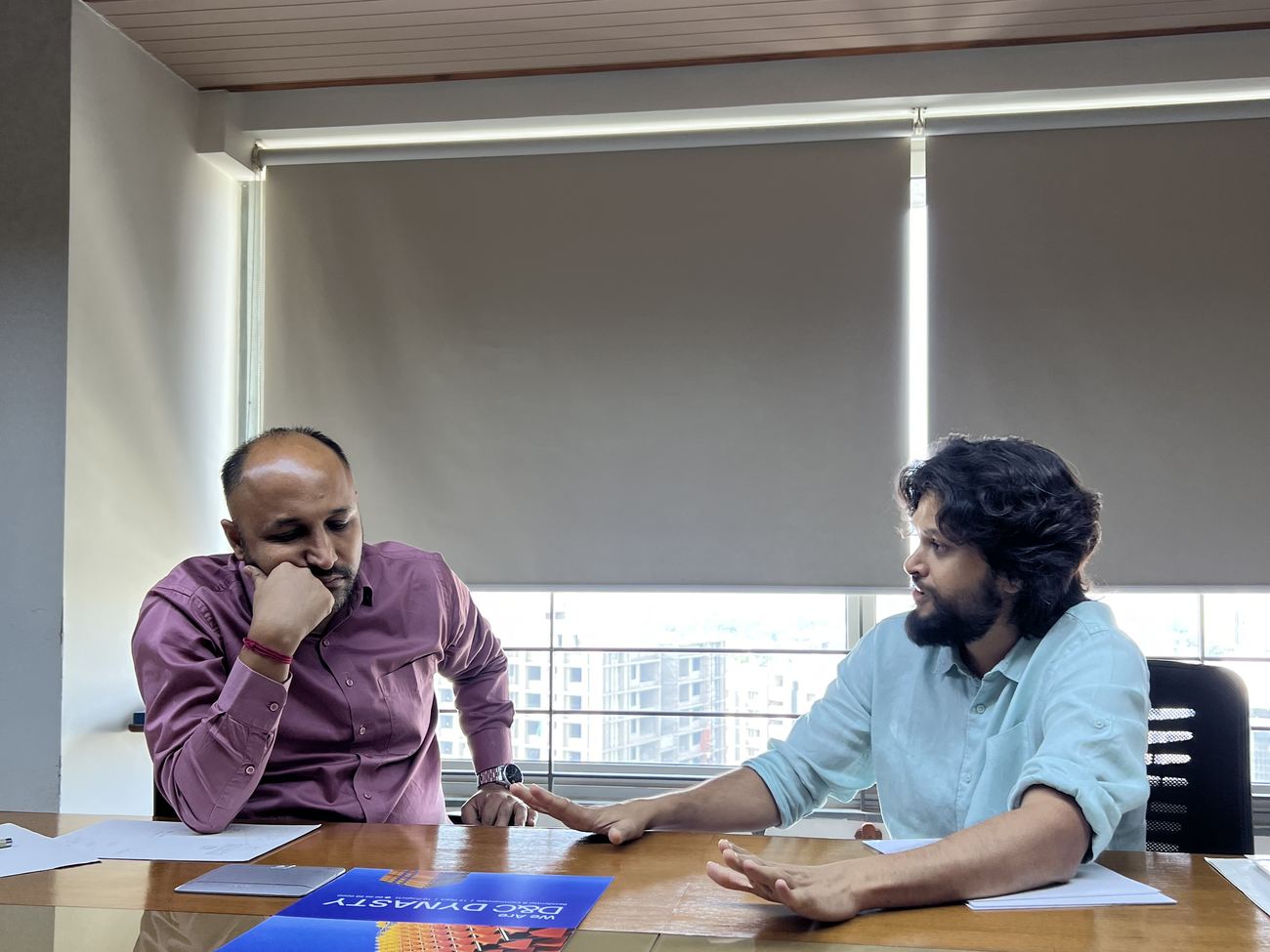
D&C Developers: Not luxury. Design.
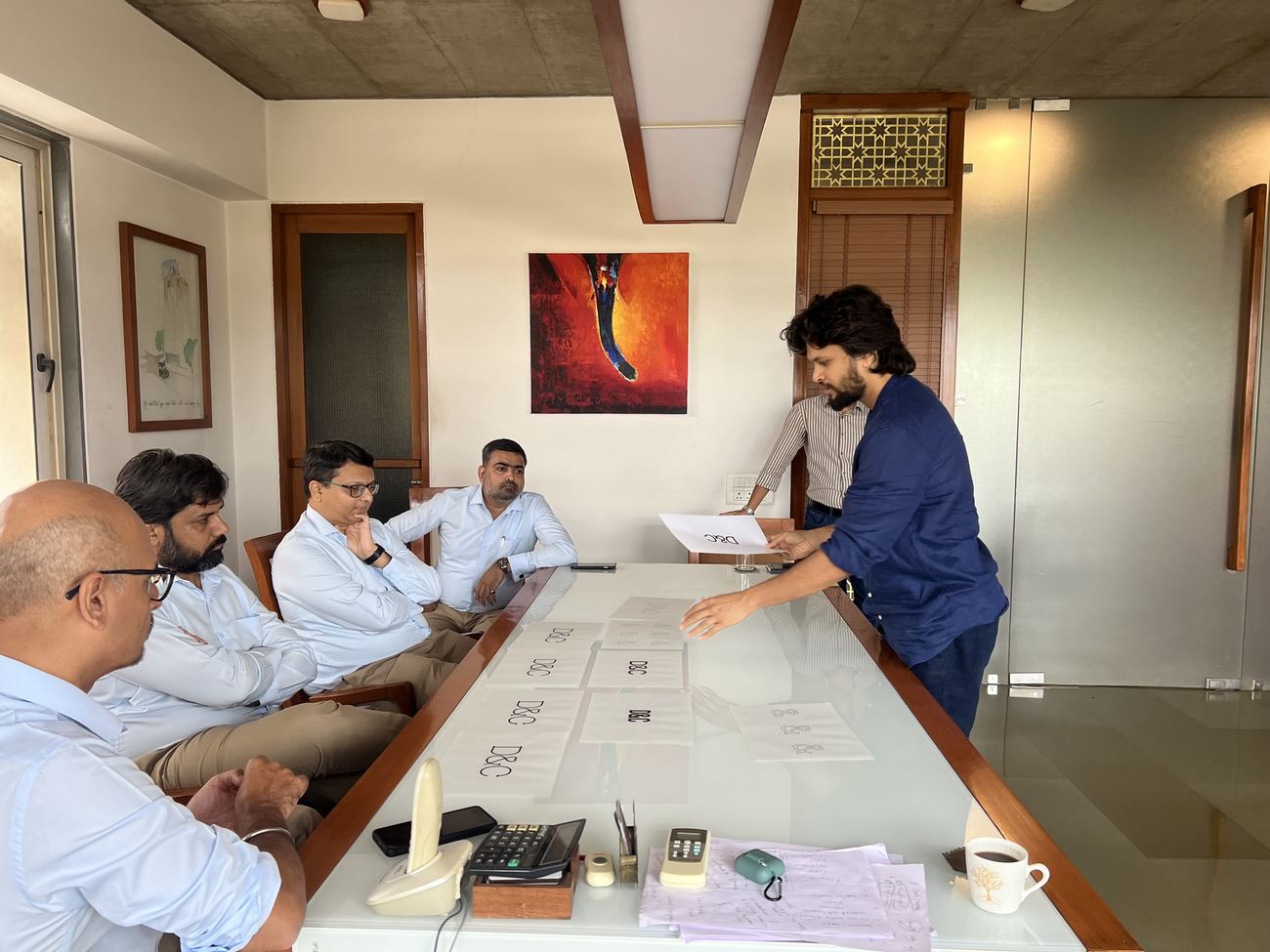
Every builder calls itself luxury. When everyone says the same word, nobody hears it. So D&C said something else: we design. Nobody else in the category was saying it.
Newspaper. Packaging. Sales pitch. Music video. Performance ads. The format keeps changing. The job doesn’t. Find the story. Tell it simply. Tell it again.
Film Production, Brand Work & Storytelling Courses
A storytelling-first production studio that works across films, commercials, writing services, and brand consultancy, while also offering a wide range of storytelling courses and tools to help filmmakers, entrepreneurs, and professionals tell better stories, with a community of 8,000+ paid members.
21 years of storytelling, shared with 1 lakh people.
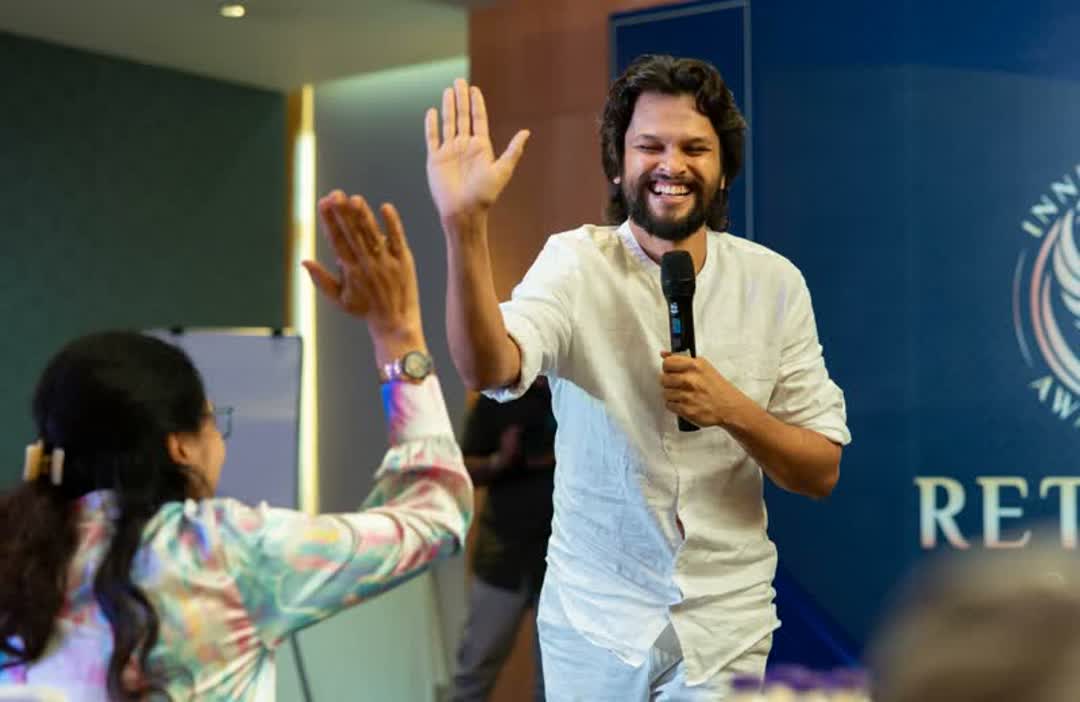
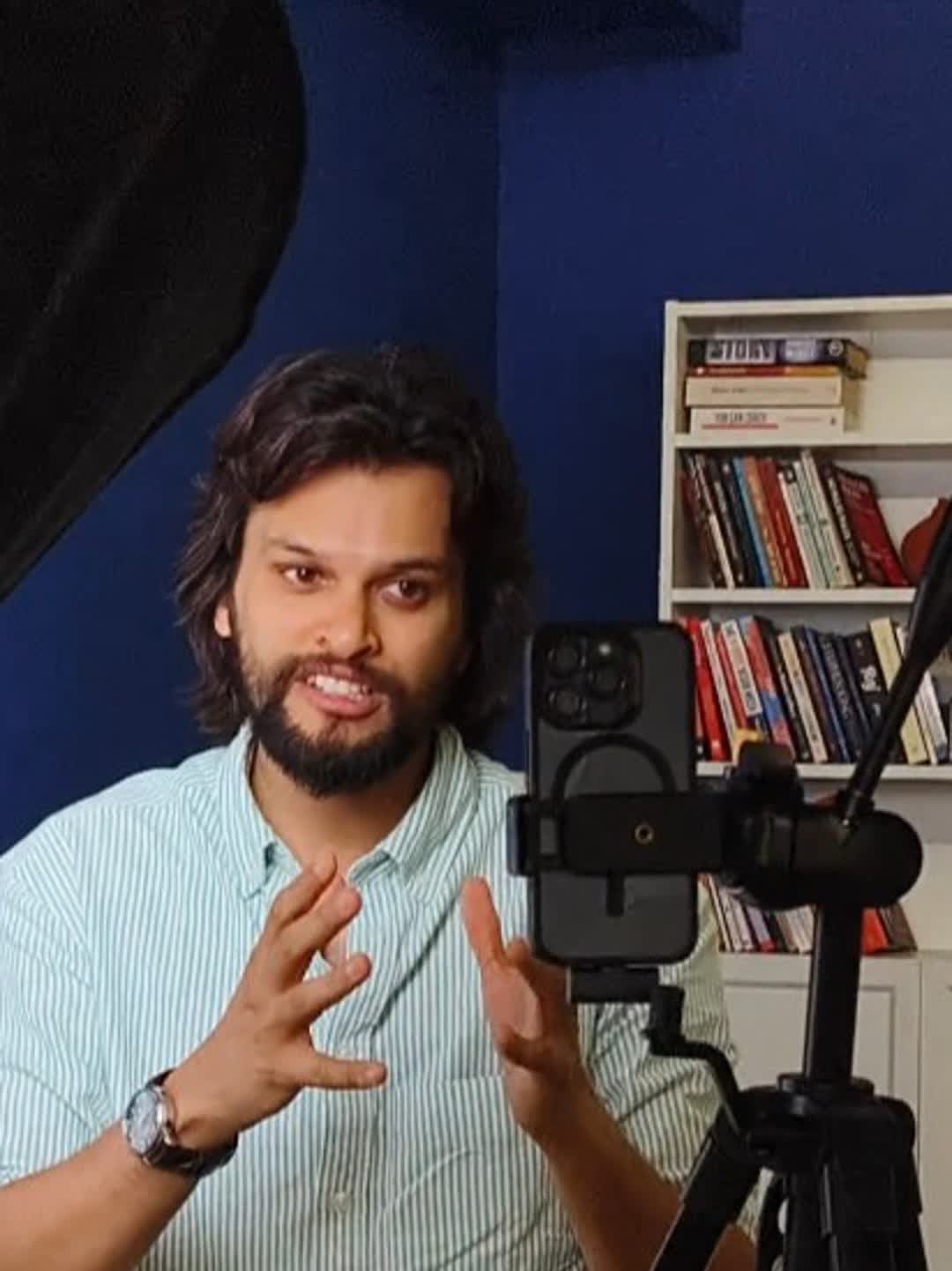
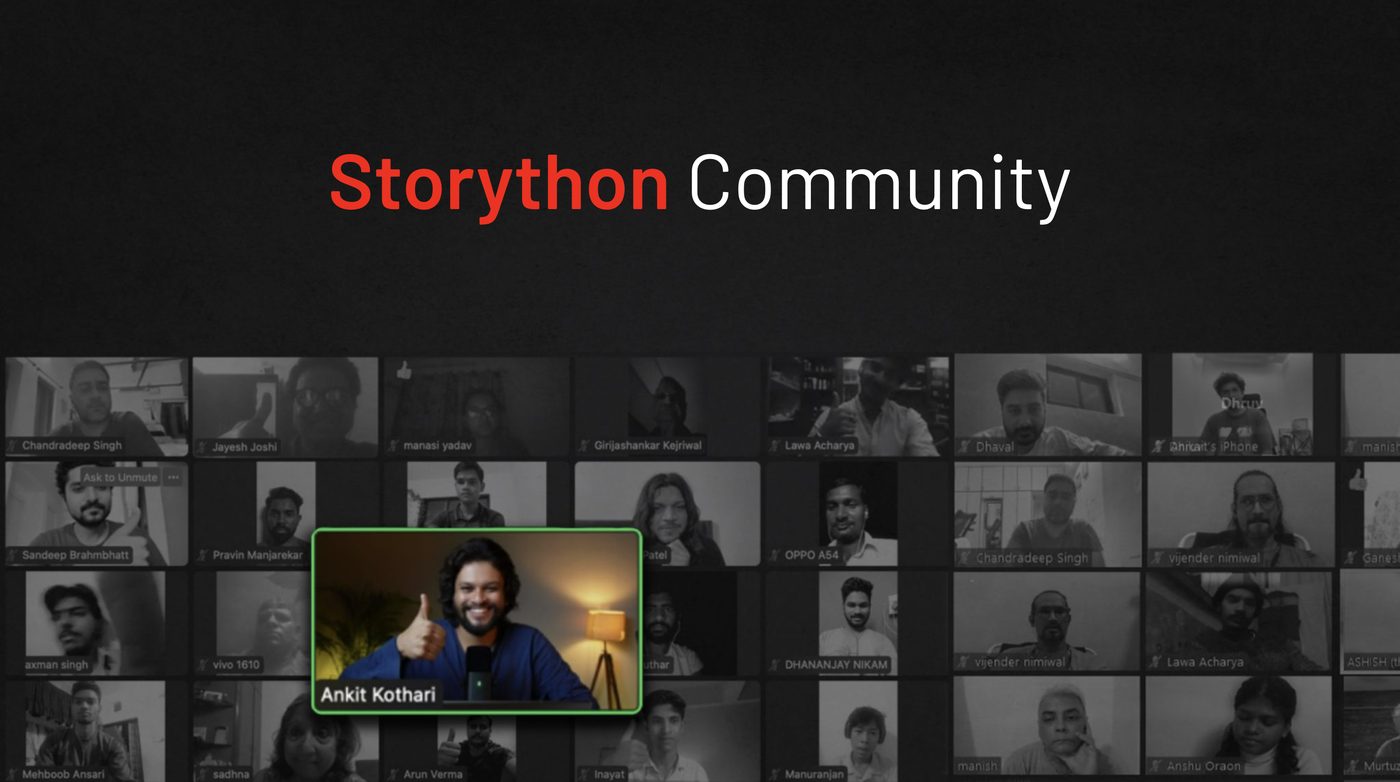
I share lessons from 21+ years of filmmaking and storytelling journey with a community of 1 lakh across YouTube and Instagram. Through Storython, I have built a private community of 8,000+ paid members, helping filmmakers, entrepreneurs, and professionals tell better stories through my courses, tools, and support.
Storython Studios brings these different parts of my work together.
It is a storytelling-first production studio working across films, commercials, writing services, and brand consultancy. Alongside production, Storython has also grown into a learning ecosystem offering storytelling courses, practical tools, and resources for filmmakers, entrepreneurs, creators, and professionals.
Over time, we have built a private community of more than 8,000 paid members, while the storytelling content I share reaches a wider community of more than 1 lakh people across YouTube and Instagram.
The idea behind all of it remains simple: whether it is a film, a brand, a business, or an individual, every meaningful story begins with understanding what is truly worth saying and finding the right way to say it.
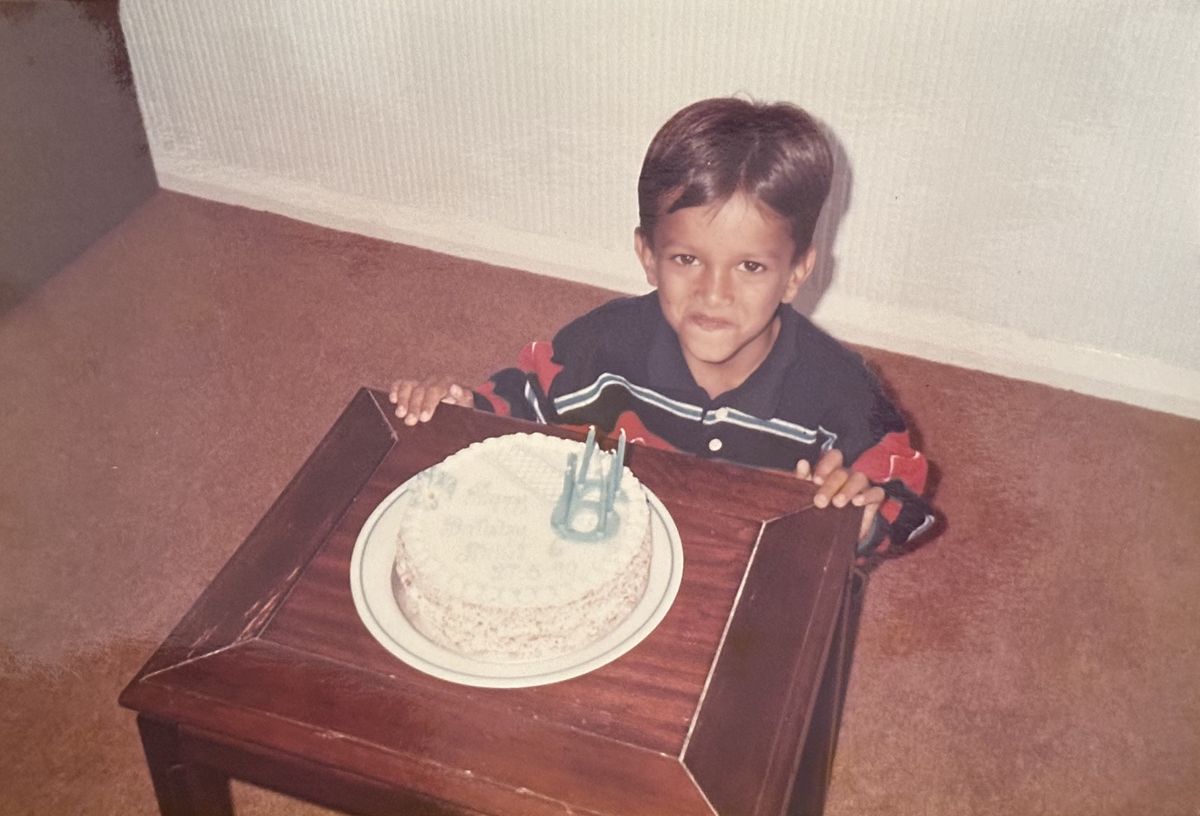
I grew up in a middle-class banker's family, and as a child, there was absolutely no sign that I would one day become a filmmaker.
I was what I like to call the “invisible kid.” I was not a troublemaker, not an academic topper, and certainly not a sports star. I was simply the child who could sit in a classroom without anyone really noticing. My grades were average, my sports skills were average, and my participation in activities never really stood out.
But there was one thing that changed everything. I could draw.
Give me a pencil and a blank sheet of paper, and suddenly I was not invisible anymore. Drawing was the first thing that made me feel there was something I could genuinely be good at.
That interest eventually led me to the Faculty of Fine Arts at The Maharaja Sayajirao University of Baroda. At the time, I was simply pursuing something I enjoyed. I had no idea that those years would quietly build the foundation for almost everything I would do later, including design, advertising, branding, storytelling, and eventually, cinema.
In 2005, I moved to Mumbai and entered the world of advertising. I began working with brands and later worked as a graphic designer at Ogilvy & Mather and Contract (WPP).
Advertising taught me something important very early on.
Creativity is not only about making something look good. It is about making people notice, feel, and remember.
That became my first real introduction to brand storytelling.
While working in advertising, I had become increasingly curious about filmmaking. I wanted to understand how films were actually made, from inside the chaos of a real set. That curiosity led me to apply for an assistant director role on Dibakar Banerjee's Oye Lucky! Lucky Oye!
I got the opportunity, although not quite in the way I had imagined.
I started as the clapper boy.
Standing on a film set with a clapperboard in my hands became my entry into cinema. Soon, the team discovered that I had a background in graphic design, and that opened another door. I got the opportunity to work on the film's title animation as well.
That was when the dots slowly began to connect. The drawing I loved as a child, the design I studied in Baroda, the advertising work I was doing in Mumbai, and now filmmaking. None of it had been wasted. Each experience was preparing me for the next one.
From there, I continued working with Dibakar Banerjee. On Love Sex Aur Dhokha, I worked across several responsibilities, including director's assistant, script supervisor, researcher, casting assistant, and location hunter. Later, I became the second assistant director on his political thriller, Shanghai.
By then, I had spent years learning films from the inside. I had seen what happened before the camera rolled, what happened behind it, and how much work went into putting even a few seconds of a film on screen.
I was exhausted from assisting, but then came a project that would completely consume my life.
Tumbbad.
I joined the film as the first assistant director after the director handed me a graphic-novel-style storyboard of the film. It was some of the most incredible visual storytelling I had ever seen.
I initially thought the project might take six months or perhaps a year.
Instead, I often joke that Hastar ate four years of my life.
I continued working on Tumbbad until 2015. Those years were intense, but they taught me lessons that no classroom could have. I learned patience, preparation, problem solving, collaboration, and perhaps most importantly, how to keep believing in a story when bringing it to life becomes incredibly difficult.
By 2015, I knew I did not want to continue assisting forever. Now I wanted to debut as a feature film director. I had written a feature script of my own, Dastaan-e-Awaargi, and started taking it to producers. The project showed promise. It was selected for the National Film Development Corporation Screenwriters Lab, which also gave me the opportunity to travel to a European festival. Later, it was selected for the NFDC Co-Production Market as well.
On paper, things seemed to be moving in the right direction.
But the film still did not get made.
By 2017, I was newly married to Shreya, managing household expenses in Mumbai, and standing at a difficult point in my career. I did not want to return to assisting, but my own feature film was not moving forward either. So Shreya and I made a decision.
We left Mumbai and moved back to Gujarat.
At that point, I decided to make a short film. The thought was simple. Even if nothing else happened, twenty years later I wanted to be able to look back and say, I made one film of my own.
That decision became the beginning of Paanchika.
I did not have the network, resources, or high-end equipment that I had been surrounded by in Mumbai. So we started with what we had. I put together a team from Ahmedabad, worked with local villagers, and used a basic camera setup. Shreya and I, along with a small team of four or five assistants, lived on location while preparing and shooting the film.
During the process, I travelled across Gujarat looking for the right location and became deeply interested in the salt farming community of Kharaghoda. We auditioned around 300 young girls from the community before selecting the two girls who would eventually become the central faces of the film.
We shot Paanchika over an intense 23 days and completed principal photography in 2018.
The edit was finished just before the COVID-19 pandemic changed everything. Like many films at the time, Paanchika had to wait. For nearly two to three years, its journey remained uncertain.
Eventually, the film began finding its way into the world. It was screened at the New York Indian Film Festival and the International Short Film Festival Oberhausen in Germany, taking this small film made in Gujarat to audiences far beyond where its journey had begun.
It later became the opening film at the International Film Festival of India, IFFI, which felt like a significant moment after everything we had gone through to make it.
Then, in December 2023, came a moment that neither Shreya nor I could have imagined when we first decided to make that small film in Gujarat.
Paanchika won the National Film Award for Best Debut Non-Feature Film of a Director, receiving the Rajat Kamal.
For me, that moment was not only about winning an award. It was also a reminder of how strange a creative journey can be. A quiet child who once felt invisible because he was average at almost everything had somehow found his way from drawing on paper to advertising, from holding a clapperboard on a film set to assisting on films, from spending years on Tumbbad to finally directing a film of his own.
And somehow, all those seemingly unrelated chapters had connected.
Today, storytelling continues to shape everything I do.
As a filmmaker, I write, direct, and produce films under Storython Studios, including the National Film Award-winning Paanchika. I also collaborate on commissioned projects as a writer and director.
I have also co-written Visamo for Harfanmaula Productions, a romantic film set against the backdrop of the afterlife, starring Yash Soni and Manasi Parekh. The film is currently scheduled for release in August 2027.
Storytelling has also taken me into a completely different world: children’s literature.
I am currently working on a magical fantasy children’s book titled Princess Pashmina and the World of Daki. Inspired by the sense of wonder and world-building found in stories like Harry Potter, it is planned as a three-part series, with the first part expected to release in summer 2027.
As the book takes shape, we regularly organise sample reading sessions with children in Ahmedabad. These sessions allow us to experience the story through young readers, understand what captures their imagination, and gradually build a small community around reading, fantasy, and storytelling.
As a brand storyteller, I work across diverse industries, from real estate and lifestyle to fragrance and technology-led businesses, bringing a filmmaker’s lens into how brands communicate, position themselves, and connect with people.
Storython Studios brings these different parts of my work together.
It is a storytelling-first production studio working across films, commercials, writing services, and brand consultancy. Alongside production, Storython has also grown into a learning ecosystem offering storytelling courses, practical tools, and resources for filmmakers, entrepreneurs, creators, and professionals.
Over time, we have built a private community of more than 8,000 paid members, while the storytelling content I share reaches a wider community of more than 1 lakh people across YouTube and Instagram.
The idea behind all of it remains simple: whether it is a film, a brand, a business, or an individual, every meaningful story begins with understanding what is truly worth saying and finding the right way to say it.
None of it was wasted. Each chapter was preparing me for the next.
It started with a pencil and a blank page, long before it became a camera and a story worth telling.
Drawinggave a quiet, invisible kid something to be good at.
Designturned that instinct into a way of speaking.
Advertisingtaught me to make people notice, feel, and remember.
Filmstaught me patience, and how to keep believing in a story.
Storytellingturned out to be the thread quietly connecting all of it.
Have an exciting idea or project to discuss.
Brand Story | Film Script
Book a 50-minute paid consultation with me through my team.